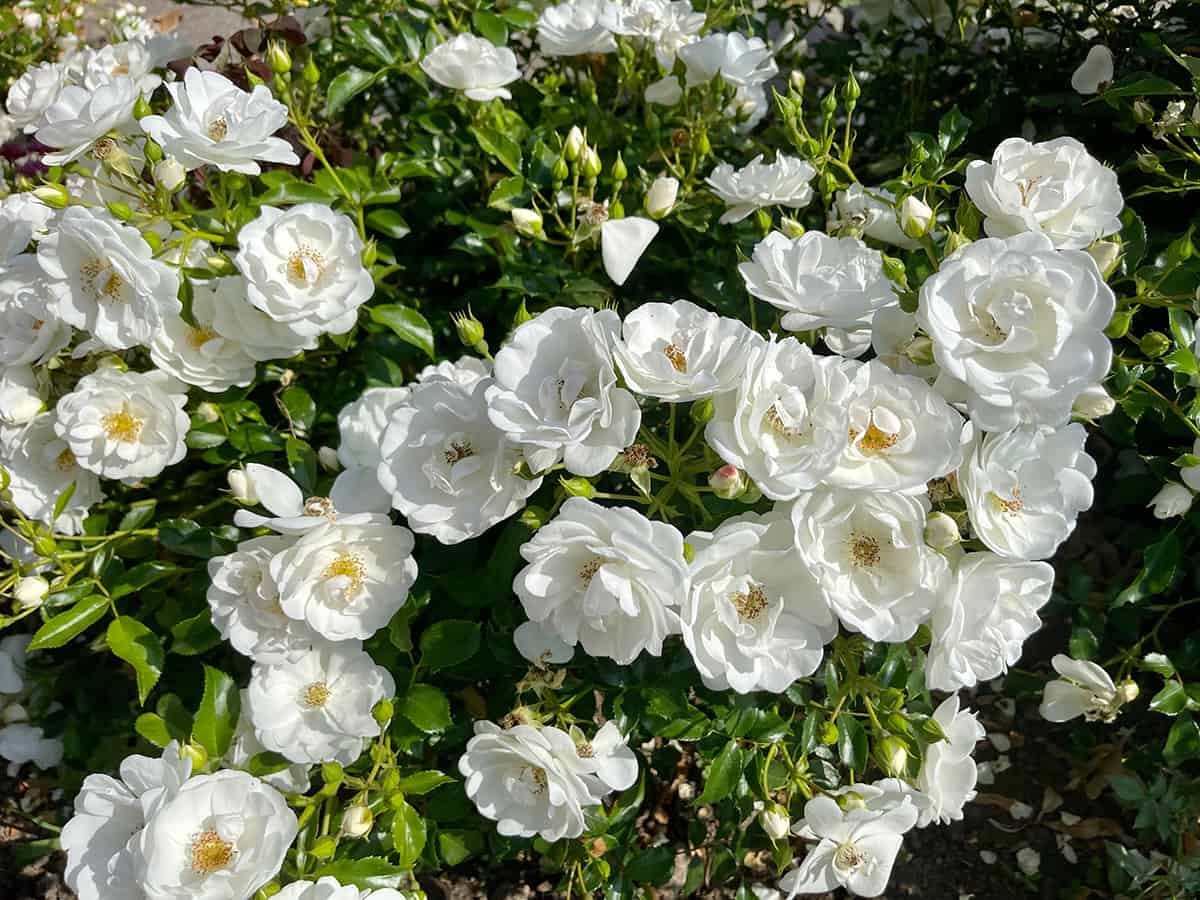
Roses have a reputation for being fussy, though many modern shrub roses and old classics shrug off cold winters, summer heat and disease.
The toughest of them resist black spot, need little or no spraying and bloom for months with only basic care. Several also tolerate poor soil and drought once their roots are established.
Each of the eighteen roses here comes with its hardiness zones, sun and soil needs, and mature size, and the profiles note which ones need extra care against disease.
Table of Contents
Knock Out
- Hardiness Zone. 5 to 11
- Sun Requirements. At least 6 hours of full sun
- Soil pH. 6.0 to 6.5
- Height. 3 to 5 feet tall and wide
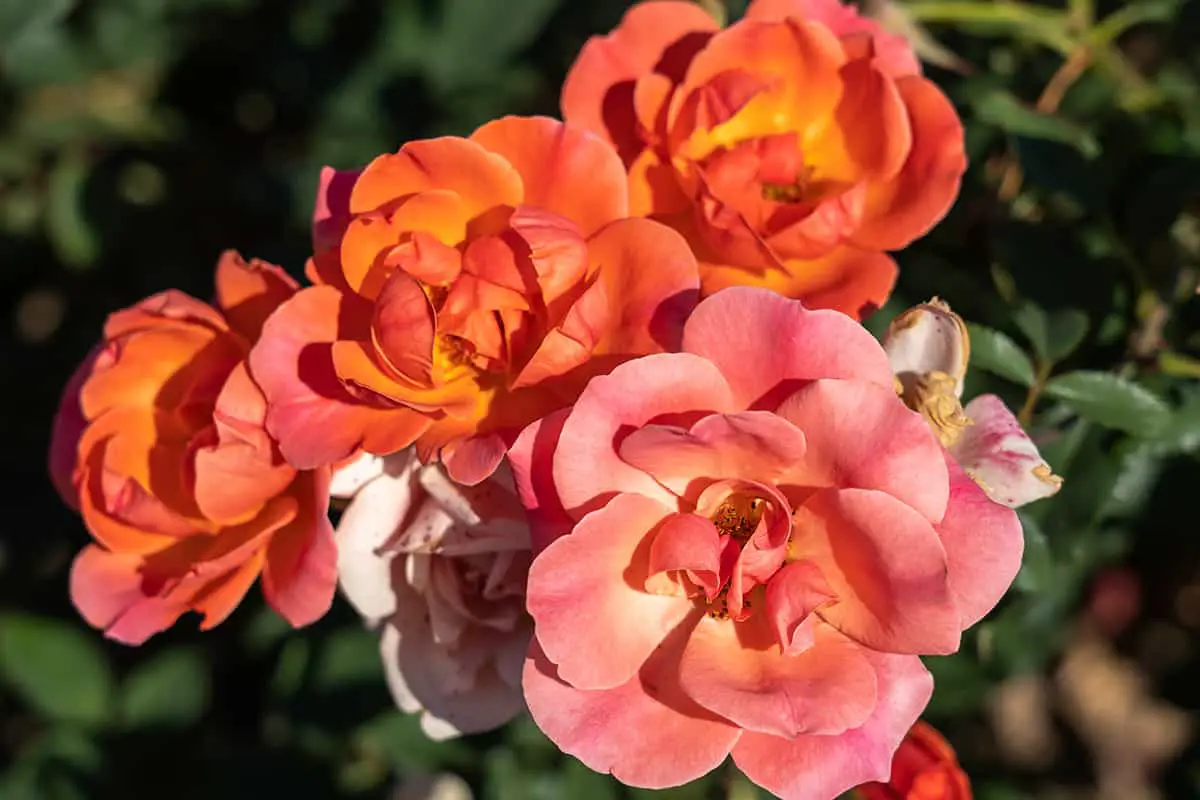
Knock Out roses are among the most widely planted roses in North America, thanks to their easy care and strong resistance to black spot.
They grow in a wide range of climates and soils. Plant them in well-drained soil in a sunny spot with good air circulation, which helps prevent disease.
Plants grow 3 to 5 feet tall and wide, a good size for hedges, borders and mass plantings. They bloom in flushes from late spring until frost and drop their spent petals cleanly, with no deadheading needed.
Iceberg
- Hardiness Zone. 5 to 9
- Sun Requirements. Full sun to partial shade
- Soil pH. Adaptable to a wide range
- Height. Up to 4 feet tall
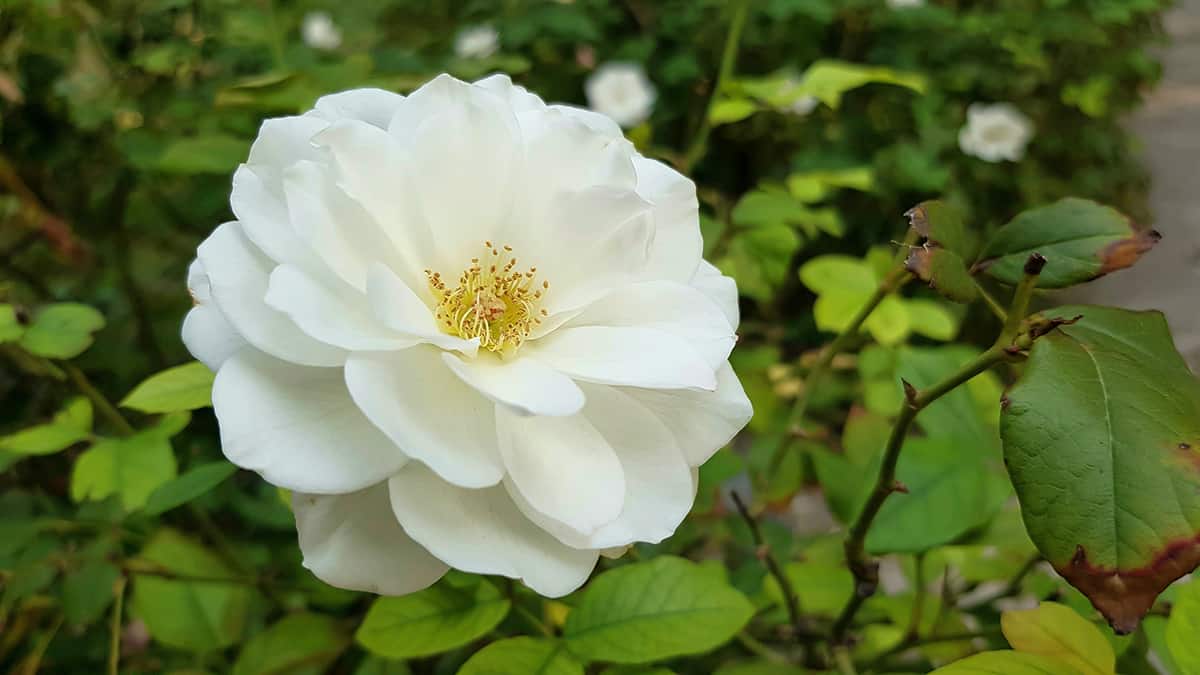
Iceberg is a classic floribunda rose with clusters of crisp white flowers from spring until frost. It’s among the most widely grown white roses in the world.
It handles heat well and grows best in regions with mild to warm climates. Black spot appears in humid weather. Good air circulation helps.
Plant Iceberg in well-draining soil. Water regularly while it establishes, and once mature, it handles dry spells better than many roses.
Bonica
- Hardiness Zone. 4 through 9
- Sun Requirements. Full sun to partial shade
- Soil pH. 6.0 to 7.0
- Height. 3 to 5 feet tall
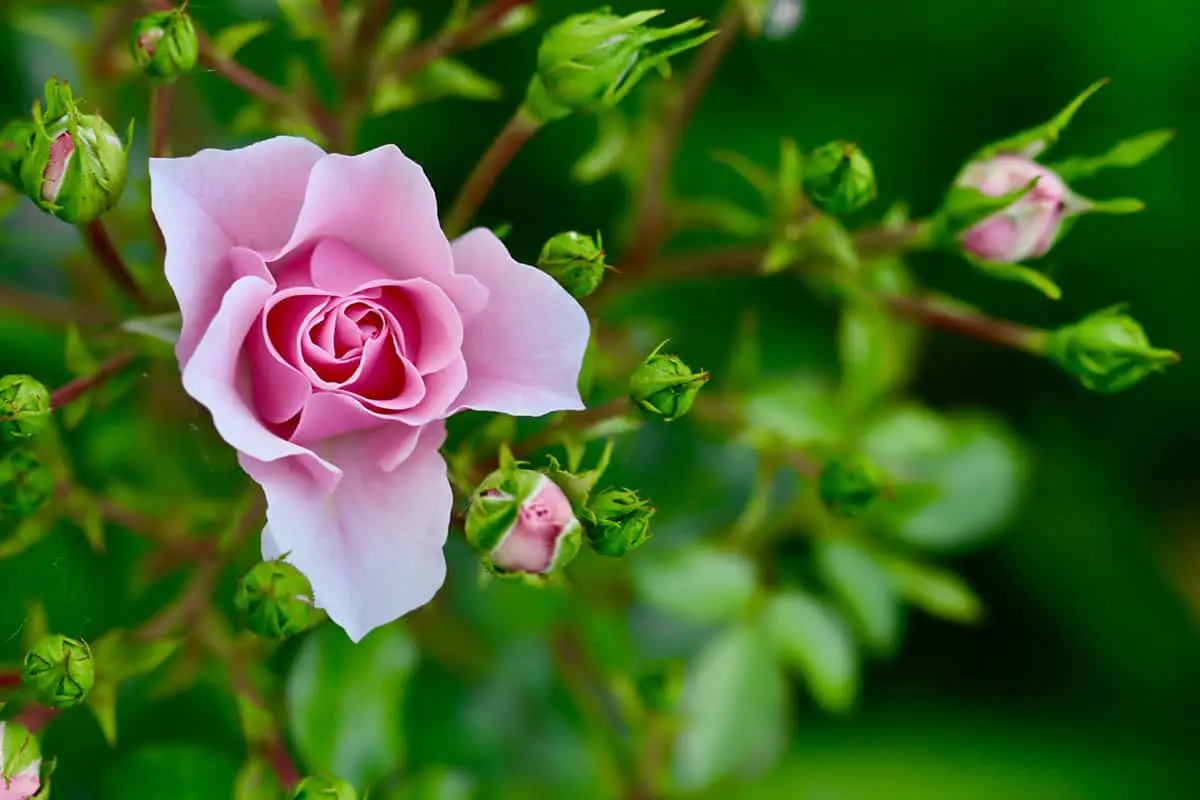
Bonica is a shrub rose with clusters of soft pink, double flowers, and it was the first shrub rose named an All-America Rose Selection, in 1987.
It establishes quickly in well-drained soil and needs little care beyond regular watering. It resists the common rose diseases well and blooms repeatedly from late spring until frost, followed by orange-red hips in fall.
New Dawn
- Hardiness Zone. 5 through 9
- Sun Requirements. Full sun to partial shade
- Soil pH. 6.0 to 6.5, adaptable to various soils
- Height. 10 to 20 feet
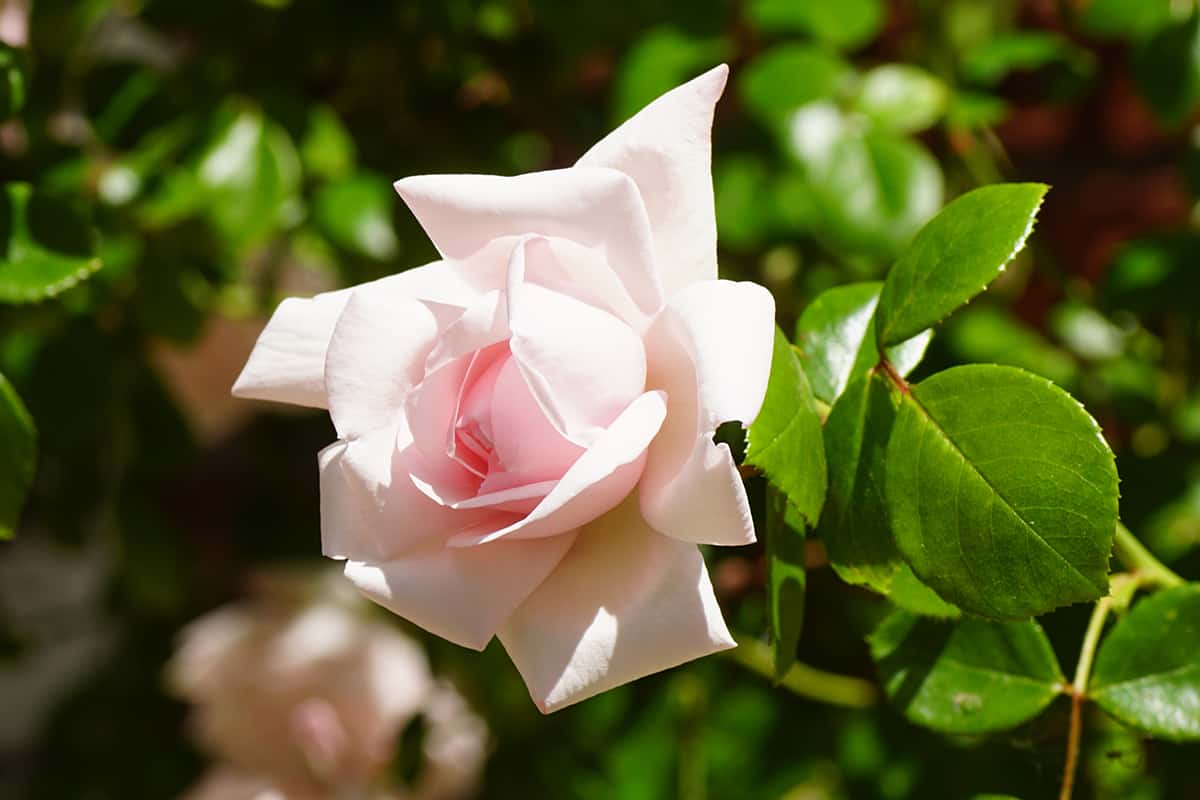
‘New Dawn’ is a vigorous climbing rose with fragrant, pale pink flowers. In 1931, it became the first plant to receive a U.S. plant patent, Plant Patent No. 1.
It’s highly disease-resistant and was voted the World’s Favorite Rose by the World Federation of Rose Societies in 1997. It grows best in fertile, moist, well-drained soil and blooms repeatedly from late spring into fall.
Plant ‘New Dawn’ in a sunny spot, and provide a sturdy trellis, arbor or fence strong enough to carry its long canes. It also tolerates partial shade better than most climbers.
The Fairy
- Hardiness Zone. 4 to 9
- Sun Requirements. Full sun to partial shade
- Soil pH. Neutral to slightly acidic
- Height. 2 to 3 feet tall, 3 to 4 feet wide
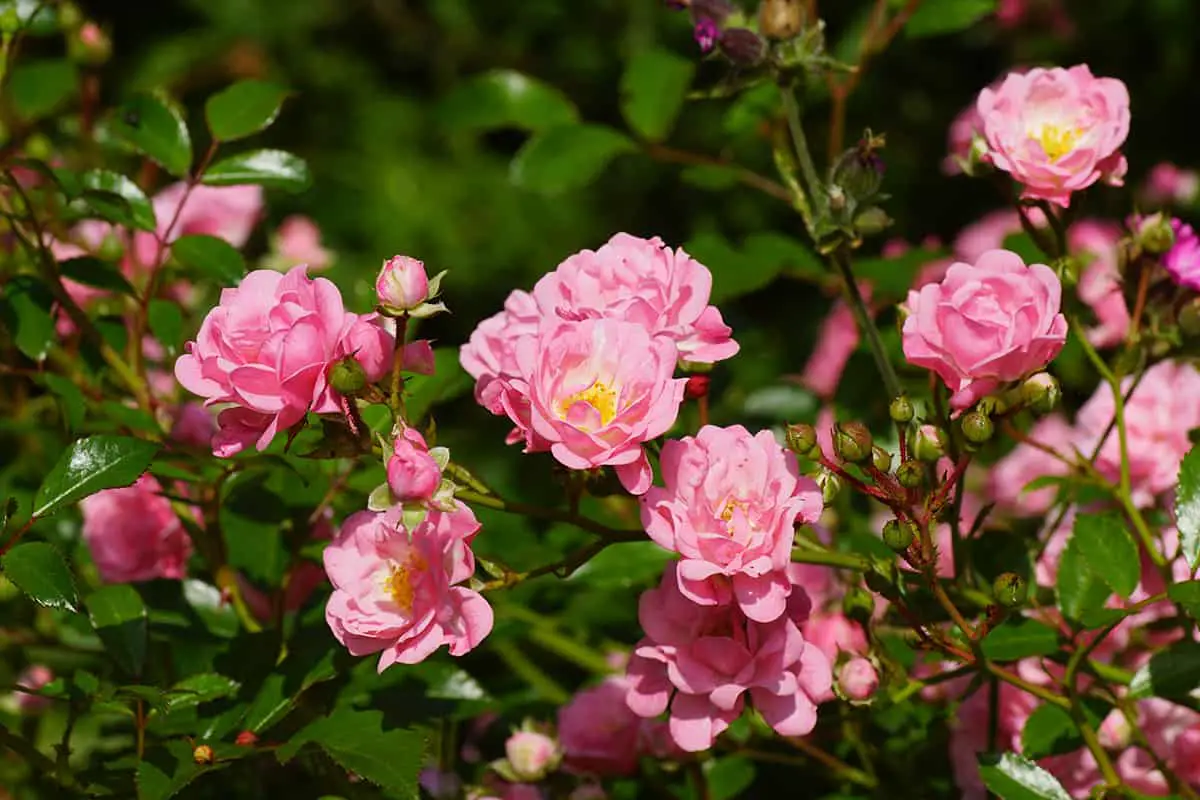
The Fairy is a tough polyantha rose, introduced in 1932, with a low, spreading habit that fits small gardens, borders and containers.
It produces masses of small, soft pink, lightly scented flowers in sprays from summer into fall.
The Fairy is part of the Earth-Kind collection, a designation from Texas A&M AgriLife Extension for roses with outstanding disease tolerance and landscape performance under low-care conditions.
Sally Holmes
- Hardiness Zone. 5 to 9
- Sun Requirements. Full sun to partial shade
- Soil pH. Neutral to slightly acidic
- Height. 4 to 12 feet, as a shrub or with support as a climber
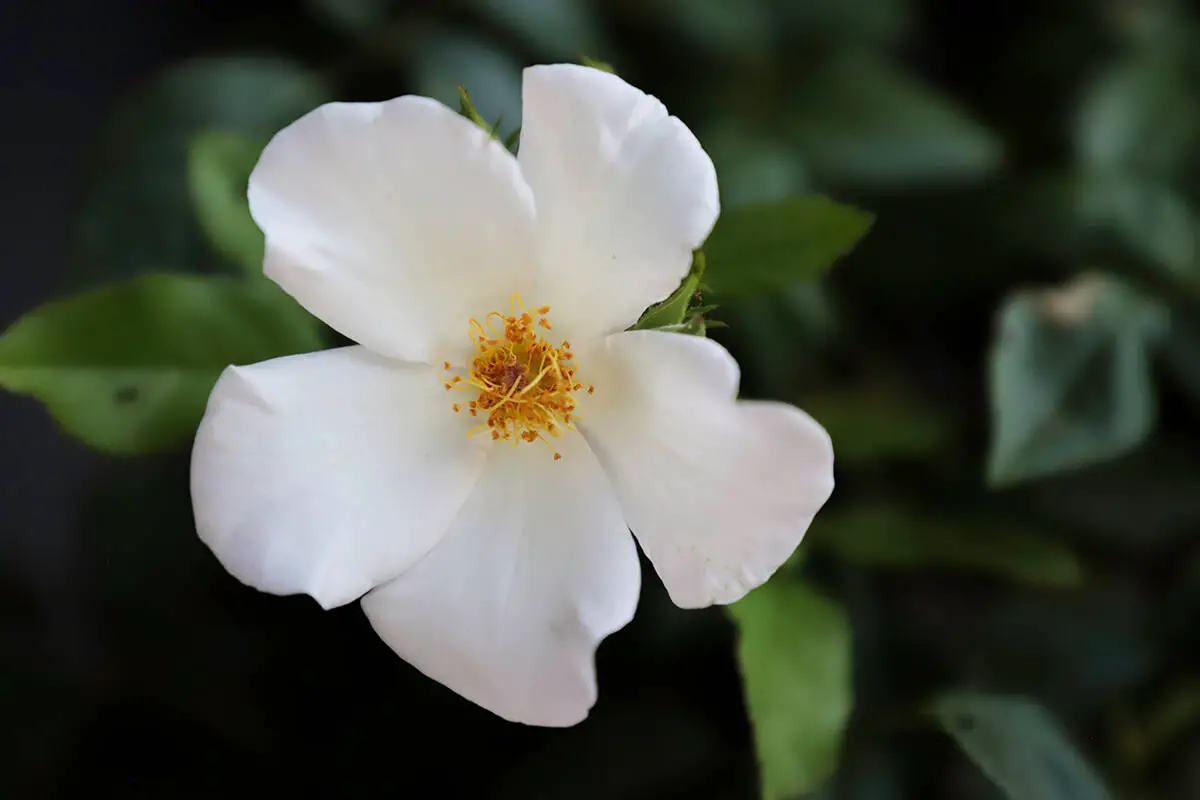
‘Sally Holmes’ is a vigorous hybrid musk rose, bred in England by Robert Holmes and introduced in 1976. It’s an award-winning, highly disease-resistant variety.
Apricot-pink buds open to large, single, creamy white flowers with golden stamens, carried in big clusters. The blooms fade to pure white as they age and have a light, sweet scent. It flowers repeatedly from late spring into fall.
Grow it as a large shrub, or train it on a trellis or pillar as a short climber.
Blaze
- Hardiness Zone. 5 through 9
- Sun Requirements. Full sun
- Soil pH. 5.5 to 7.0, slightly acidic to neutral
- Height. 12 to 14 feet
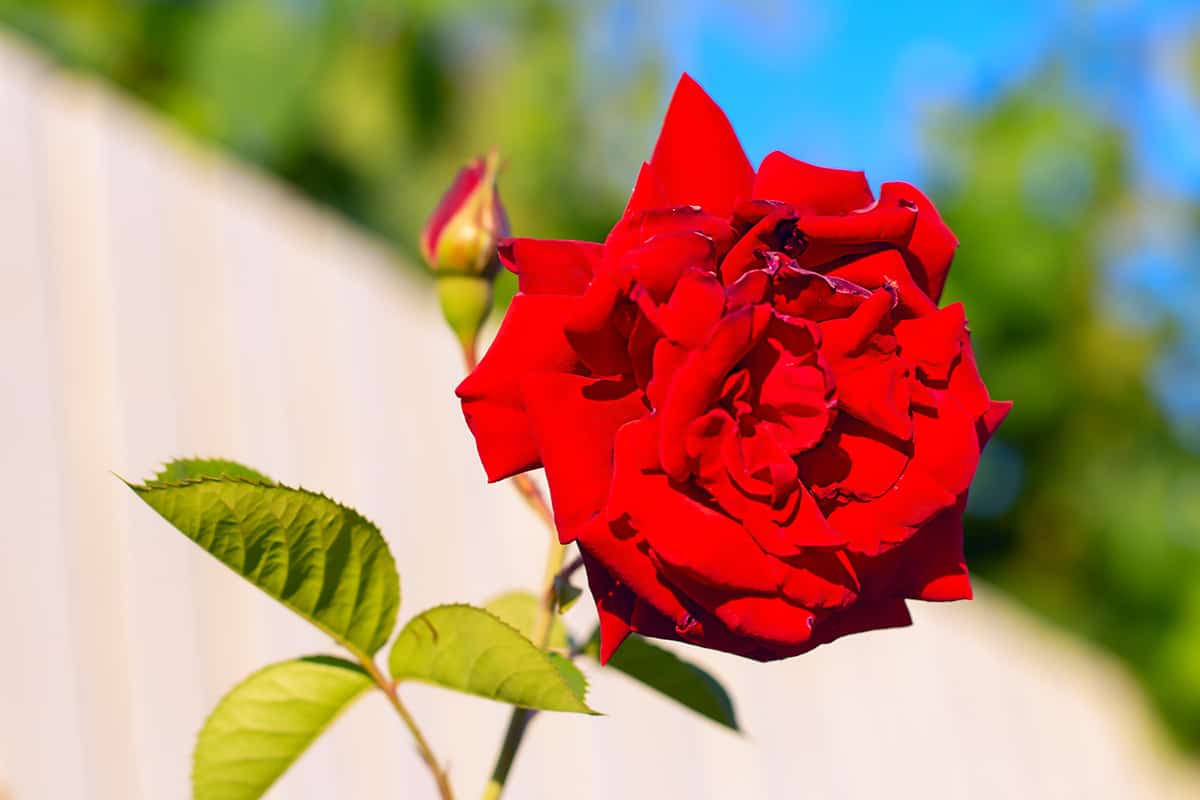
Blaze is a classic climbing rose, introduced in 1932 and still popular for its vigor and reliability. It covers fences, arbors and trellises with bright red flowers.
Its cupped, semi-double flowers come in large clusters, with the main flush in late spring and smaller flushes into fall. The Blaze rose has leathery green leaves and good resistance to disease.
Plant Blaze in full sun for the most flowers. Water deeply and less frequently, which builds deep roots that carry the plant through dry spells.
Carefree Wonder
- Hardiness Zone. 4 to 9
- Sun Requirements. Full sun to partial shade
- Soil pH. 6.0 to 7.0, slightly acidic to neutral
- Height. 3 to 4 feet tall
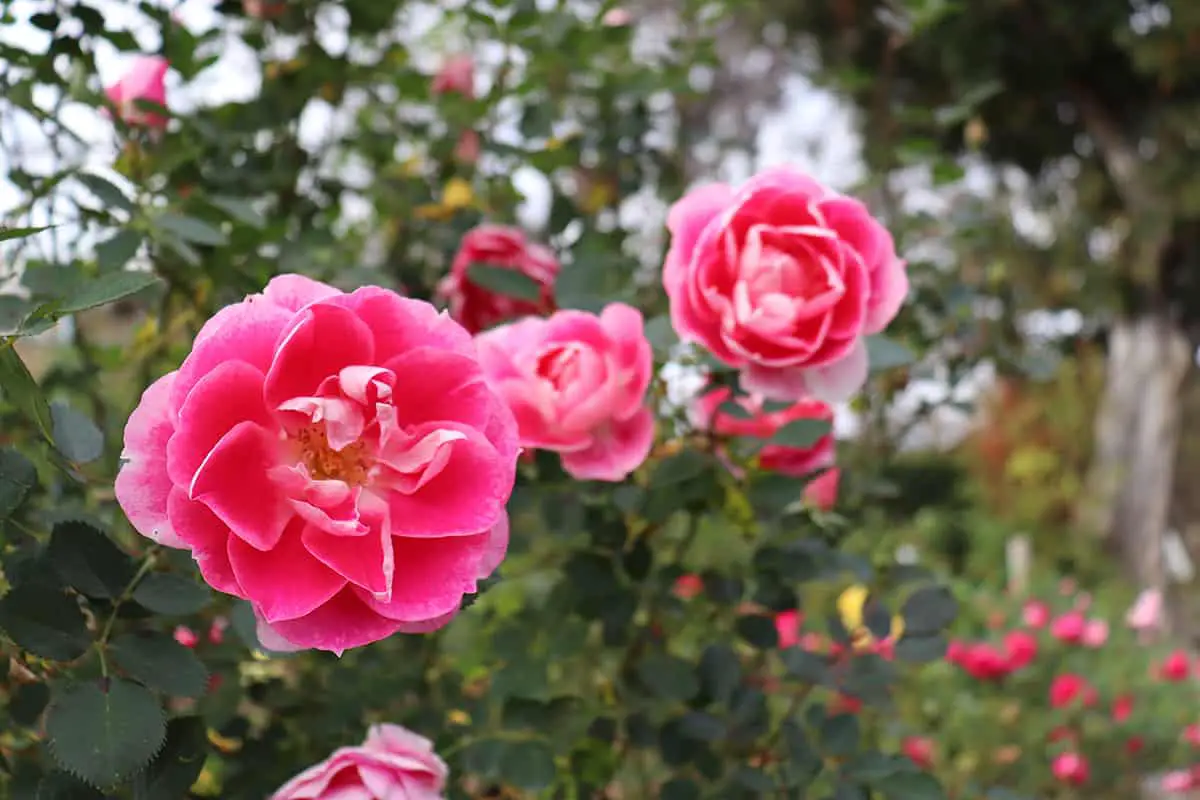
Carefree Wonder is a shrub rose with semi-double, bright pink flowers with a creamy white reverse, set against glossy green leaves. It was an All-America Rose Selection winner in 1991.
It needs little upkeep, tolerates drought once established and resists disease well. It blooms from early summer until frost.
Flower Carpet
- Hardiness Zone. 5 to 11
- Sun Requirements. Full sun to part shade
- Soil pH. 6.0 to 7.0
- Height. 2 to 3 feet
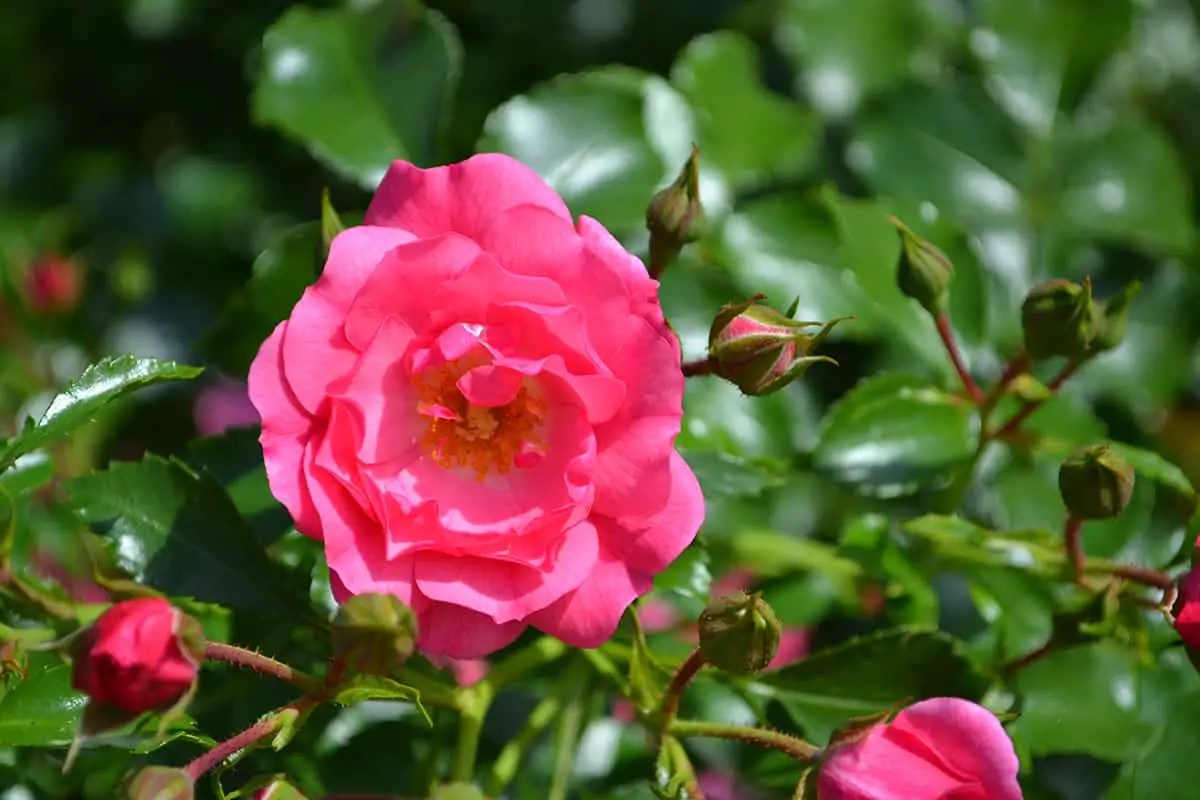
The Flower Carpet series of groundcover roses produces masses of small flowers on low, spreading plants. They’re famously tough and easy to grow.
They have excellent disease resistance and handle heat, cold and poor soil. Use them as ground covers, at the front of borders, on slopes or in containers.
Flowers come in pink, red, white, yellow, coral and more, from spring into fall. The plants drop their spent petals cleanly and need no deadheading.
Plant them where air moves freely, and water at the base to avoid wetting the leaves.
Peace
- Hardiness Zone. 5 to 9
- Sun Requirements. Full sun
- Soil pH. 6.0 to 6.5
- Height. 4 to 6 feet tall
Peace is among the most famous roses ever bred. Developed in France by Francis Meilland, it was introduced in the United States on April 29, 1945, the day Berlin fell, and it became a symbol of the war’s end.
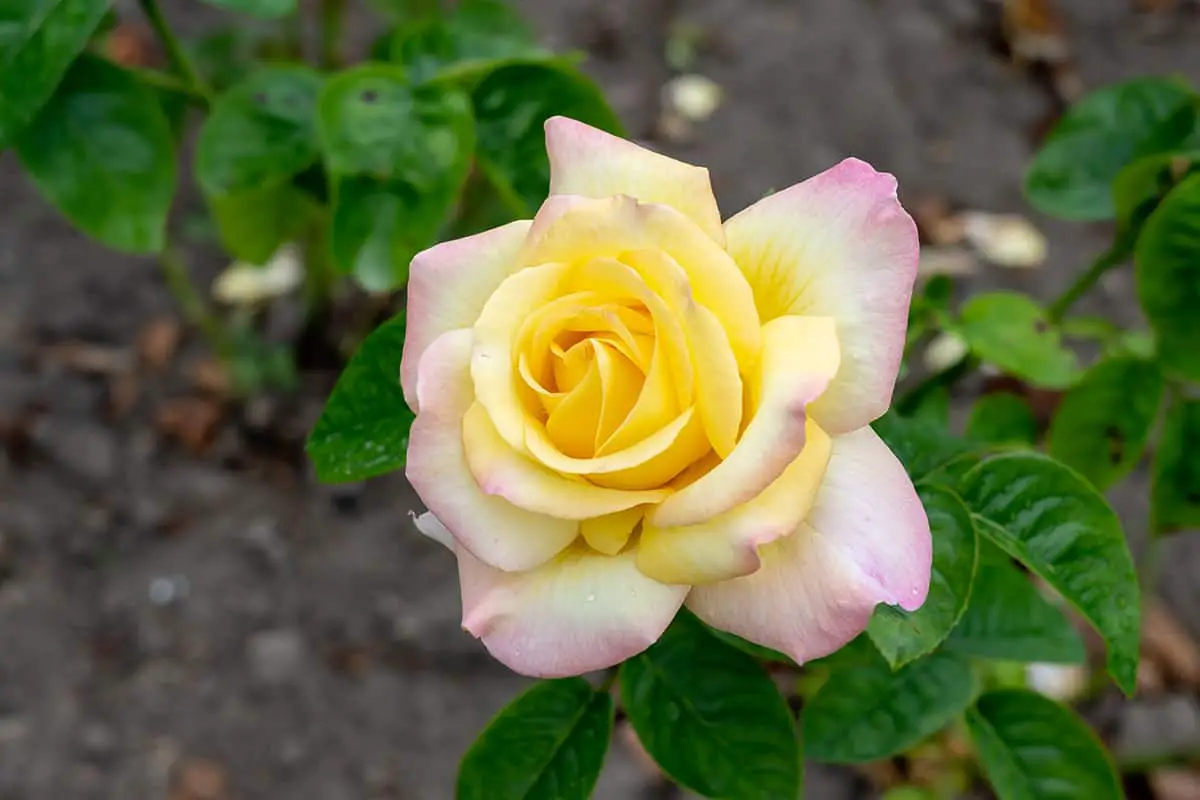
Its large, fragrant blooms are creamy yellow edged in pink. It’s a vigorous hybrid tea, though it’s more prone to black spot than modern disease-resistant shrub roses, and it needs good air circulation and sun.
Mister Lincoln
- Hardiness Zone. 5 through 9
- Sun Requirements. Full sun for the best flowers
- Soil pH. Slightly acidic to neutral
- Height. Up to 5 to 6 feet tall
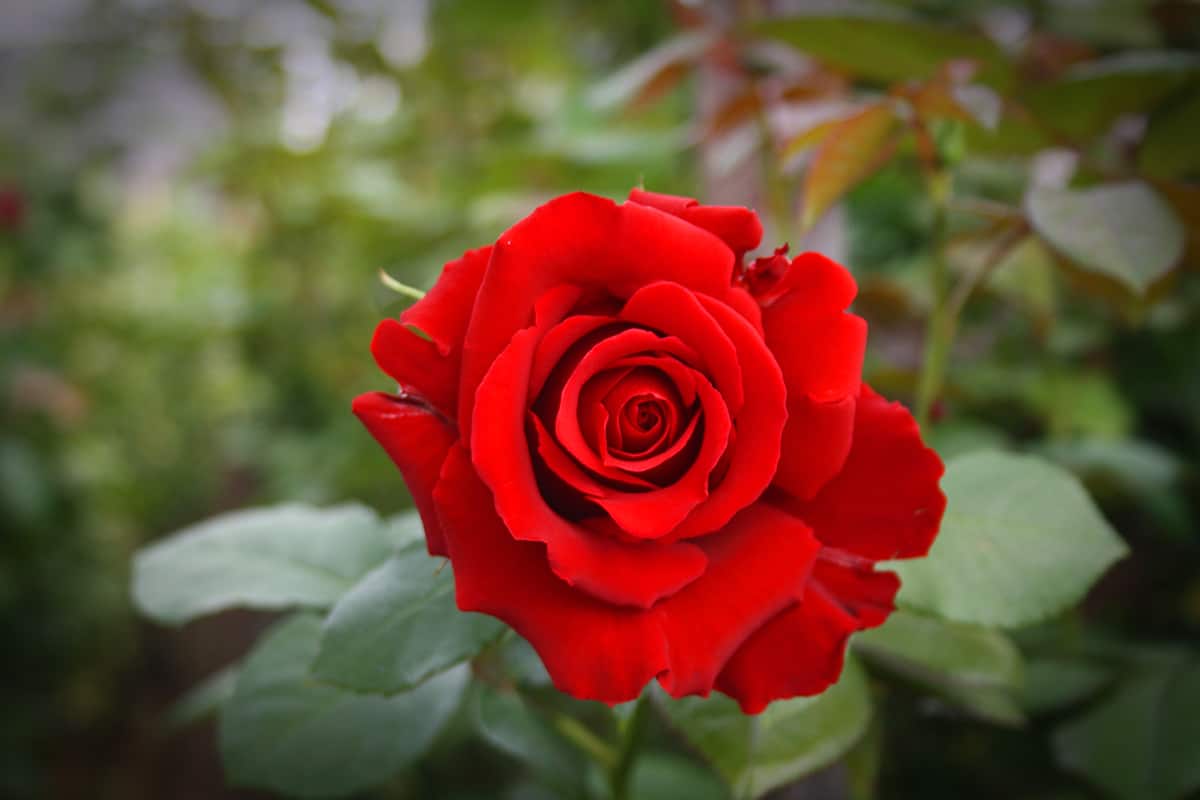
‘Mister Lincoln’ is a hybrid tea rose famous for its intense fragrance and velvety, dark red blooms. It was bred in the United States and introduced in 1964, and it’s still a favorite for cutting.
It needs full sun for richly colored, fragrant flowers, plus well-drained, fertile soil and consistent watering. It’s tall and vigorous, though it’s prone to powdery mildew and black spot in humid climates. Good air circulation matters.
Cinco de Mayo
- Hardiness Zone. 6 to 9
- Sun Requirements. Full sun
- Soil pH. 6.0 to 6.5
- Height. 3 to 4 feet tall
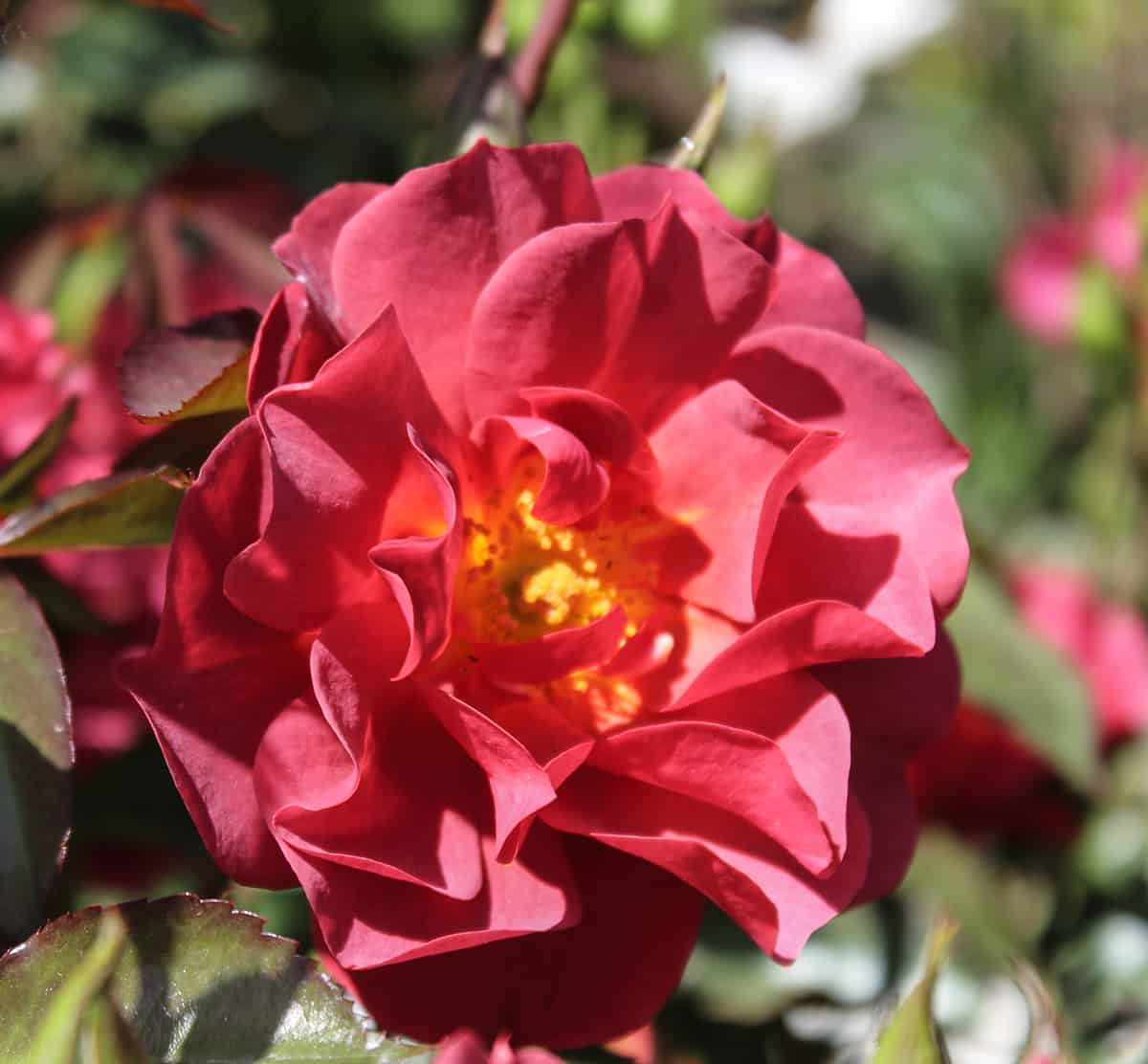
Cinco de Mayo is a floribunda rose, an All-America Rose Selection winner in 2009, named for the festive Mexican holiday.
Its blooms are a blend of smoky lavender and rusty red-orange, a color that stands out in any bed. It’s easy to grow, disease-resistant and flowers in clusters from late spring until frost.
Graham Thomas
- Hardiness Zone. 5 through 9
- Sun Requirements. Full sun to partial shade
- Soil pH. Neutral to slightly acidic
- Height. 6 to 7 feet tall
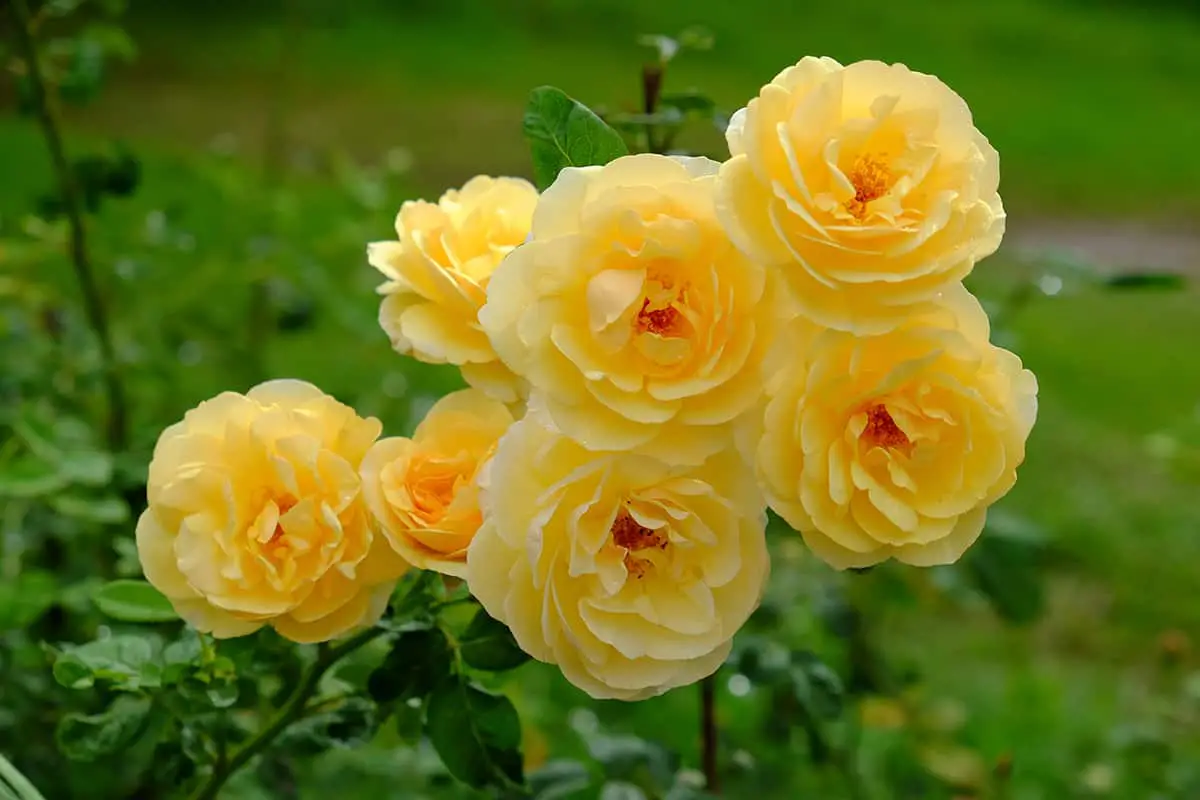
Graham Thomas is a David Austin English shrub rose, introduced in 1983, with cupped, rich yellow blooms.
It’s tall and upright and grows well in a variety of conditions. Its fragrance is a fresh tea rose scent, and its mid-green leaves hold up well through summer.
Grow it as a large shrub, or train it as a short climber on a fence or pillar. It has good disease resistance for an English rose.
Julia Child
- Hardiness Zone. 5 to 9
- Sun Requirements. Full sun to partial shade
- Soil pH. Slightly acidic to neutral
- Height. 2 to 4 feet tall
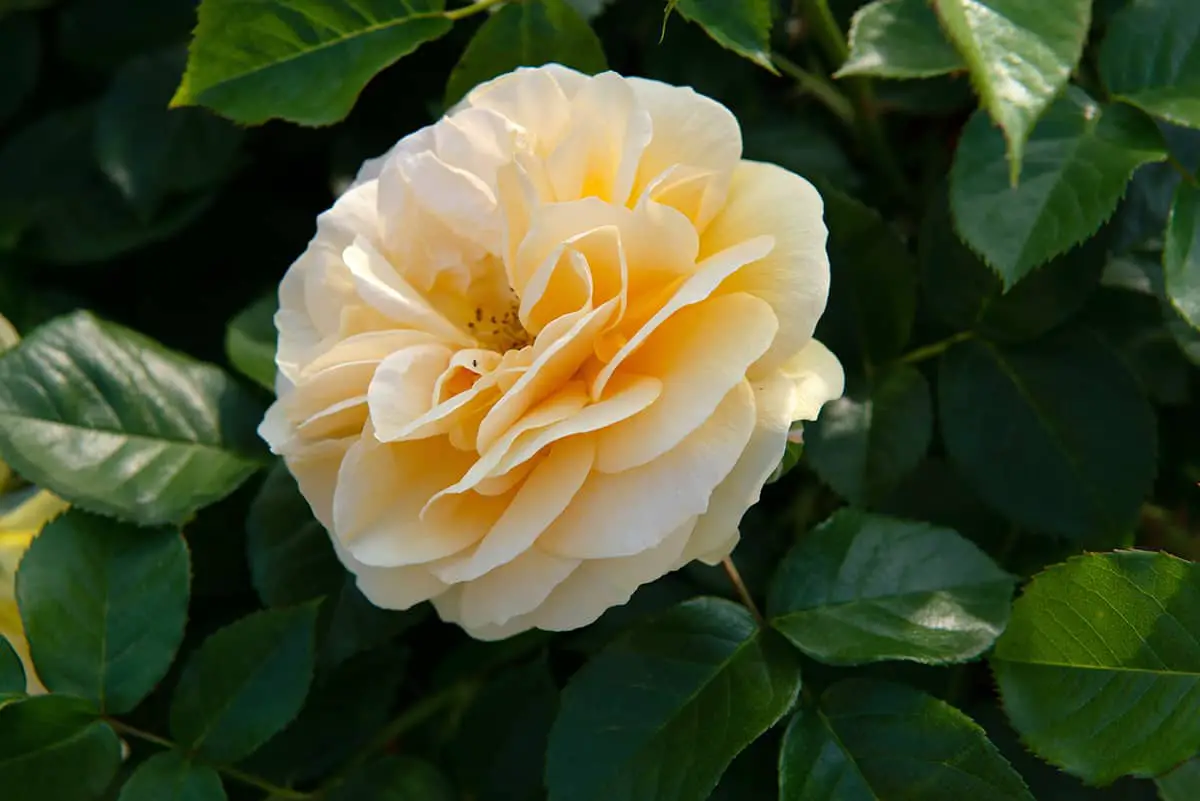
The Julia Child rose is a floribunda with buttery golden-yellow blooms and a sweet licorice scent. It was an All-America Rose Selection in 2006.
It’s a vigorous, healthy grower with a compact, rounded habit, which makes it a good fit for borders and large containers. In warm climates, it grows a little taller. Annual pruning encourages more flowers and holds its shape.
It’s easy to grow and needs little more than sun, water and occasional feeding.
Home Run
- Hardiness Zone. 4 to 9
- Sun Requirements. Full sun
- Soil pH. Adaptable; prefers neutral to slightly acidic
- Height. 3 to 4 feet tall
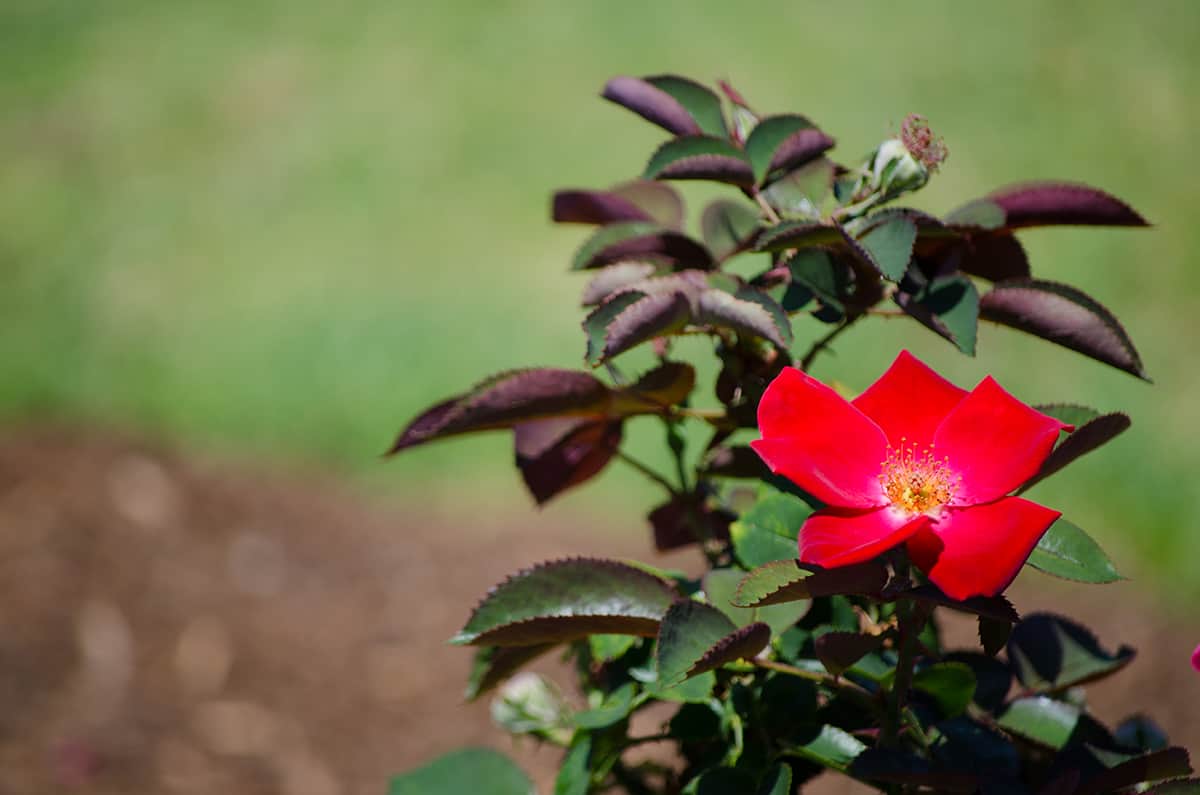
‘Home Run’ is a shrub rose bred from the famous ‘Knock Out’ by the same breeder, William Radler, and it shares its parent’s toughness.
It needs very little upkeep and shows strong resistance to black spot and powdery mildew. Its bright red, single flowers bloom in flushes from spring until frost.
It’s an easy rose for beginners, with tough disease resistance and plenty of color.
Queen Elizabeth
- Hardiness Zone. 5 to 9
- Sun Requirements. Full sun
- Soil pH. 6.5 to 7.0
- Height. 4 to 6 feet tall or more
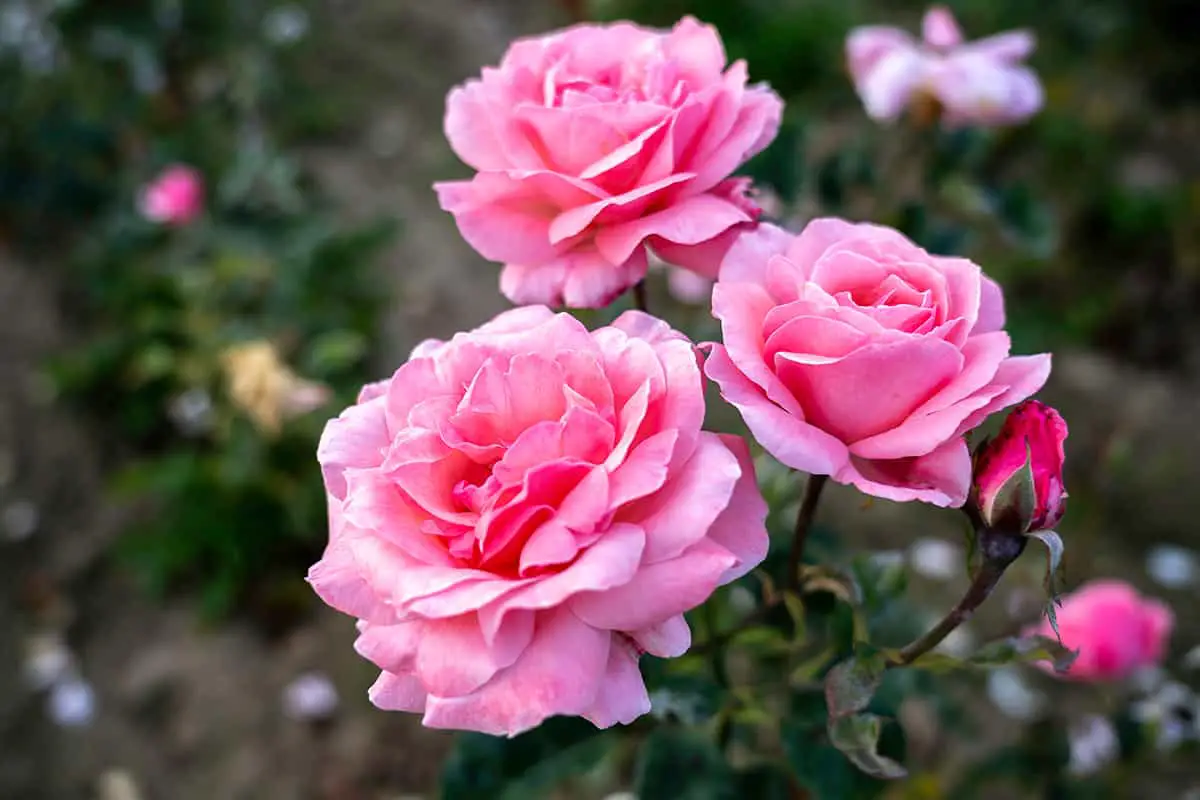
Queen Elizabeth, introduced in 1954, was the first rose classed as a grandiflora, a group that combines the long-stemmed, refined flowers of hybrid teas with the clustered blooms of floribundas.
It’s vigorous and adaptable, with clear pink flowers on long stems for cutting. Plant it in full sun with well-drained soil, and water deeply during dry spells.
Its tall, upright habit makes it a strong backdrop for lower-growing plants.
Easy Does It
- Hardiness Zone. 5 through 9
- Sun Requirements. Full sun to partial shade
- Soil pH. Neutral, adaptable to a range
- Height. Up to 4 feet
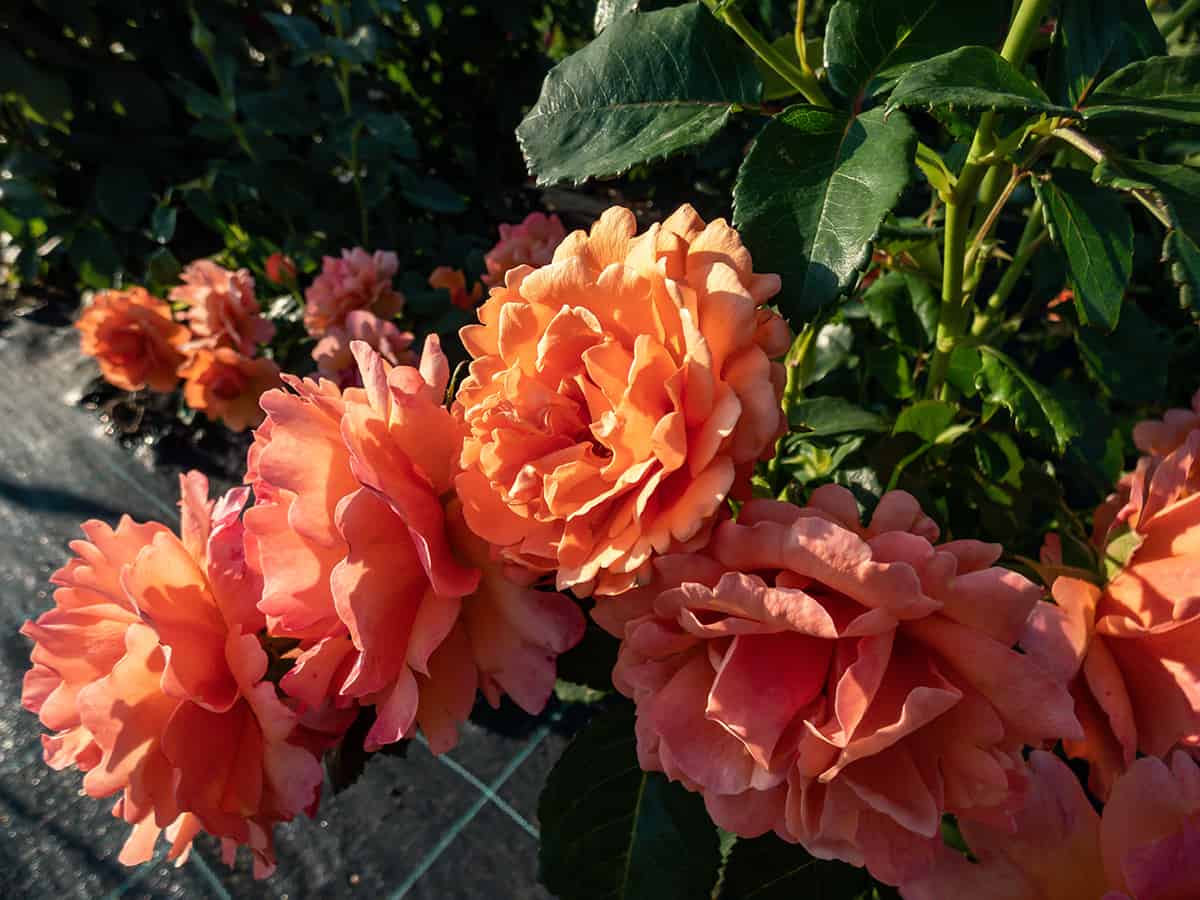
‘Easy Does It’ is a floribunda rose and an All-America Rose Selection winner in 2010, prized for its carefree habit and ruffled, multicolored flowers.
Its name reflects how easy it is to grow. It thrives with basic care and resists disease well. The blooms blend mango orange, peach and pink, from late spring until frost.
Plant it in well-drained soil, and water consistently while the roots establish. Prune it once a year in late winter for shape and health.
Sunsprite
- Hardiness Zone. 5 to 9
- Sun Requirements. Full sun
- Soil pH. 6.0 to 7.0
- Height. 2 to 3 feet tall
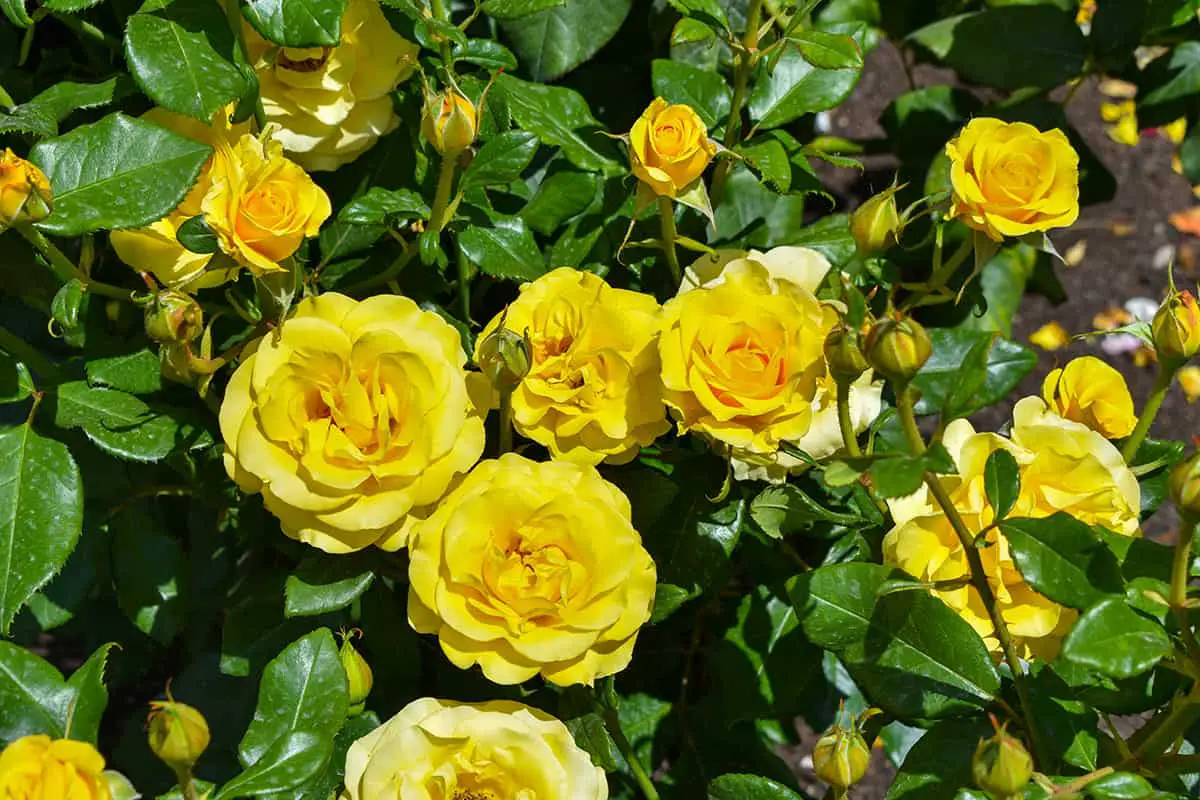
Sunsprite is a floribunda rose with deep yellow, strongly fragrant blooms that hold their color with little fading. It’s vigorous, disease-resistant and blooms freely.
It needs at least six hours of direct sun daily for the best flowers. Plant it in well-drained soil with a pH of about 6.0 to 7.0, and test the soil every few years to check the pH.
At 2 to 3 feet tall, it fits small gardens, borders and containers.