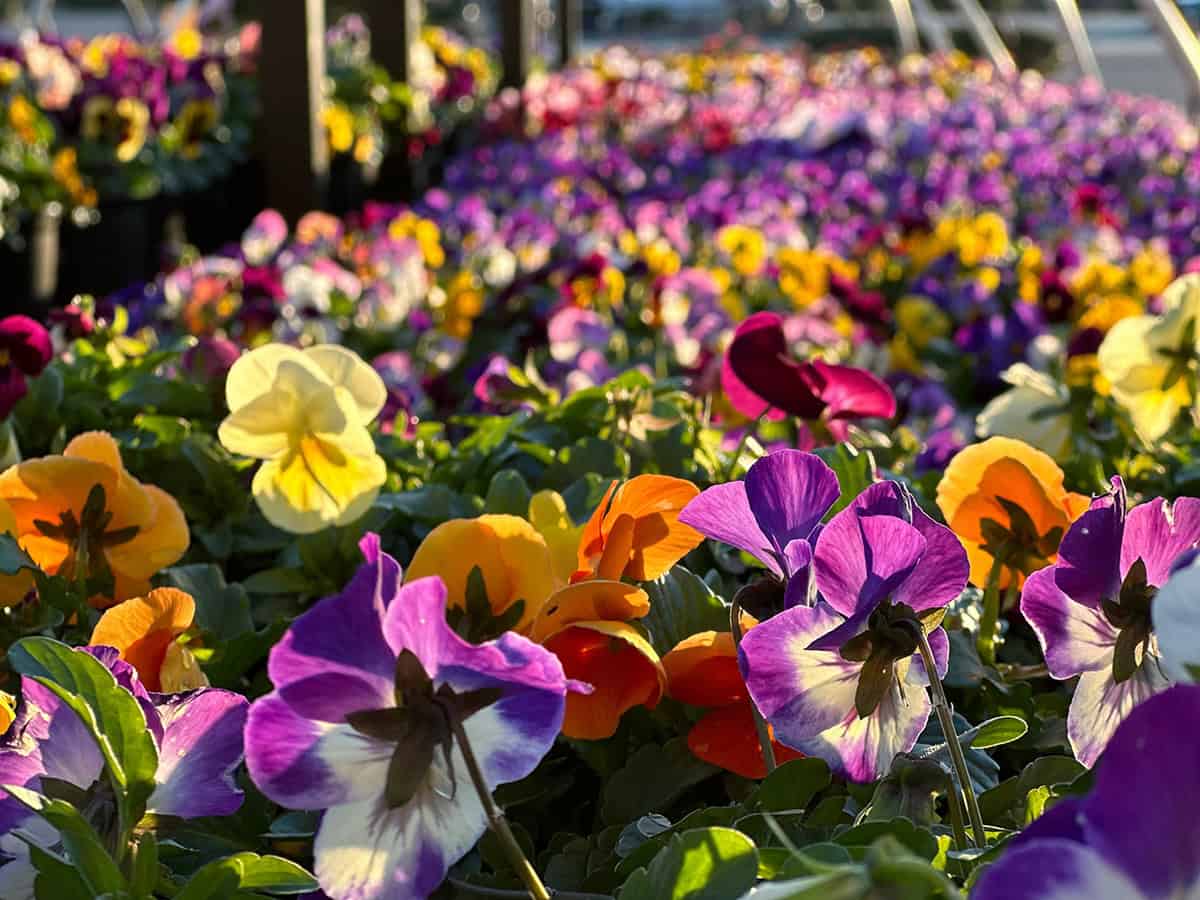
August heat makes fresh planting look like a gamble, yet the month sets up the color that carries a garden through fall.
Nursery-grown annuals bloom within weeks of planting. Cool-season flowers such as pansies and snapdragons settle in now and peak once nights cool down.
Timing shifts by region, and each flower’s notes flag where August planting pays off and where it pays to wait until September.
Table of Contents
- Flowers To Plant In August
- Calendula
- Pansies
- Violas
- Snapdragons
- Alyssum
- Dianthus
- Petunias (in warmer zones)
- Marigolds
- Zinnias
- Cosmos
- Rudbeckia (Black-eyed Susan)
- Coneflowers (Echinacea)
- Salvia
- Lantana
- Coreopsis
- Blanket Flower (Gaillardia)
- Dusty Miller
- Nasturtiums
- Ornamental Kale
- Chrysanthemums (early varieties)
- Ageratum
- Sweet William
- Cleome
- Scabiosa (Pincushion Flower)
- Verbena
Flowers To Plant In August
Planting in August pays off most in zones 7 to 10, where fall lasts long and frost arrives late. In colder zones, choose nursery transplants over seed so plants bloom before the first frost, and water new plantings every day or two during hot spells.
Calendula
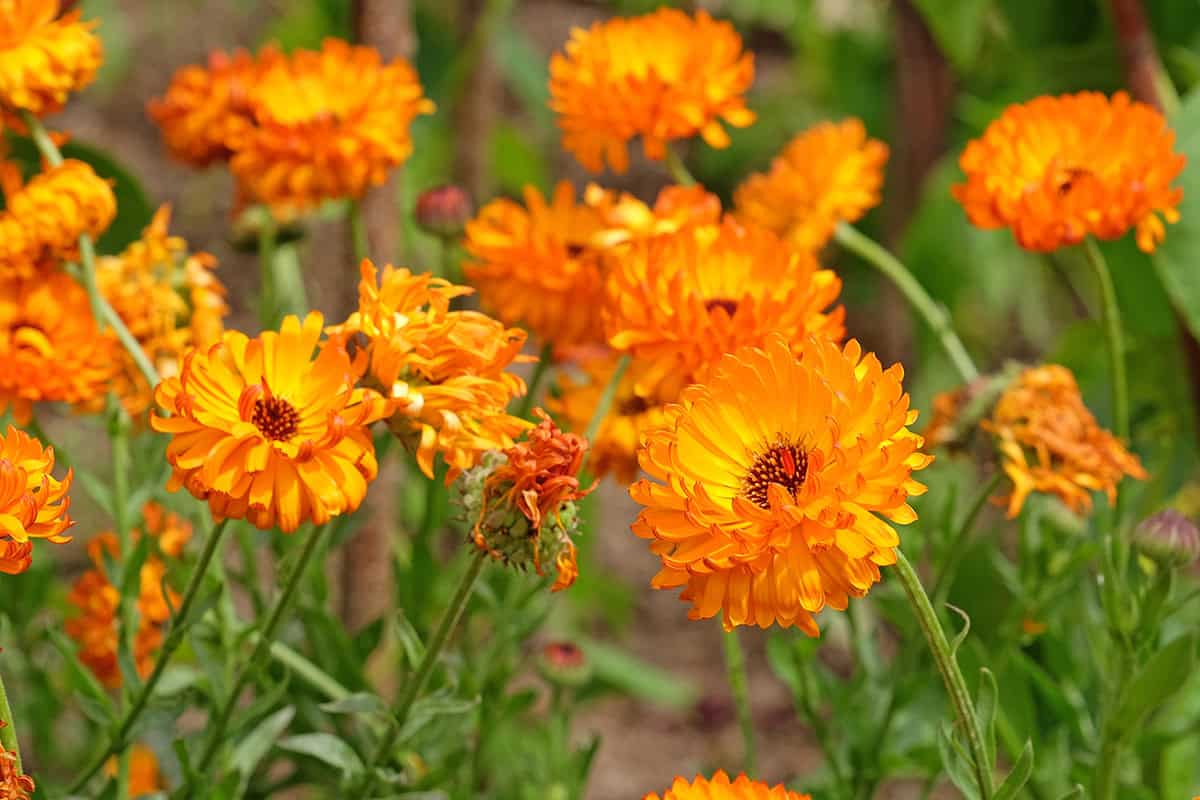
Calendula sown in August blooms in orange and yellow from early fall until a hard frost. It prefers cool weather, so in hot regions, a spot with afternoon shade helps seedlings through the last heat waves.
Sow seeds a quarter inch deep in well-drained soil. The plants shrug off light frost, and regular deadheading extends the show. The edible petals brighten salads and dry well for tea.
Pansies
Pansies set out in late August bloom through fall in cooler regions, and in zones 6 to 9 many return with a second flush in early spring. In the hot South, wait until soil temperatures drop in September or October.
Choose a spot with morning sun and afternoon shade. Space plants 6 to 8 inches apart for airflow, and feed every few weeks with a liquid fertilizer. Snip faded blooms to encourage more.
Violas
Violas carry smaller flowers than pansies but bloom more heavily and handle frost better. Plant them in late summer for color that carries into winter in mild climates.
Plant in fertile, well-drained soil and water deeply until roots establish. The edible flowers decorate salads and desserts, and the compact plants fill gaps along borders and in pots.
Snapdragons
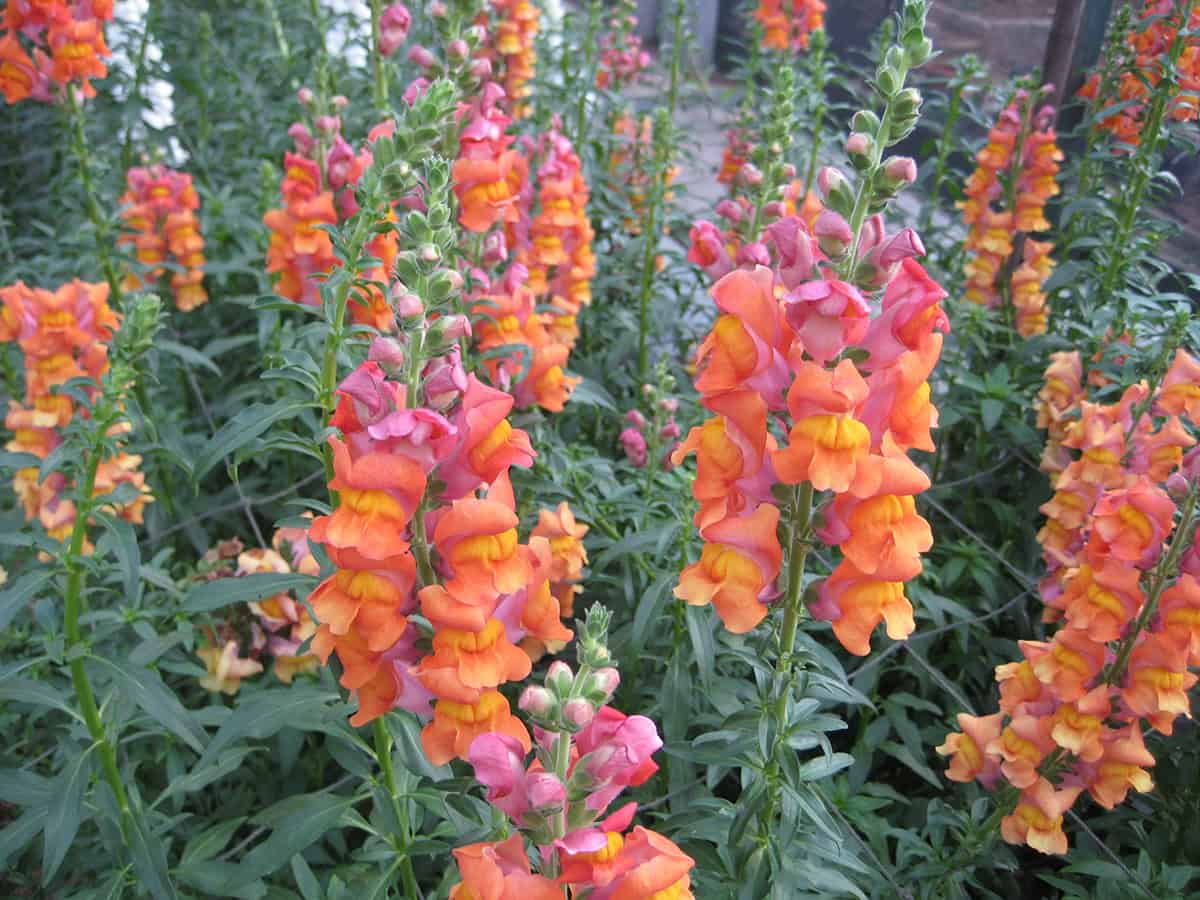
Snapdragons love cool nights, which makes late summer a great planting time for a fall show. Transplants produce the quickest results, and in zones 7 to 10 many plants survive winter and bloom again in spring.
Plant in full sun and well-drained soil, and water deeply after planting. Pinch young plants once for bushier growth. Tall types need staking, and all make excellent cut flowers.
Alyssum
Sweet alyssum produces mats of tiny, honey-scented flowers in white, pink or purple. Seeds or transplants set out in August bloom from fall until frost, and the plants spread into a soft ground cover.
Alyssum grows in sun or partial shade and prefers moist, well-drained soil. Shear straggly plants back by a third for a fresh flush of bloom. Bees and hoverflies visit constantly.
Dianthus
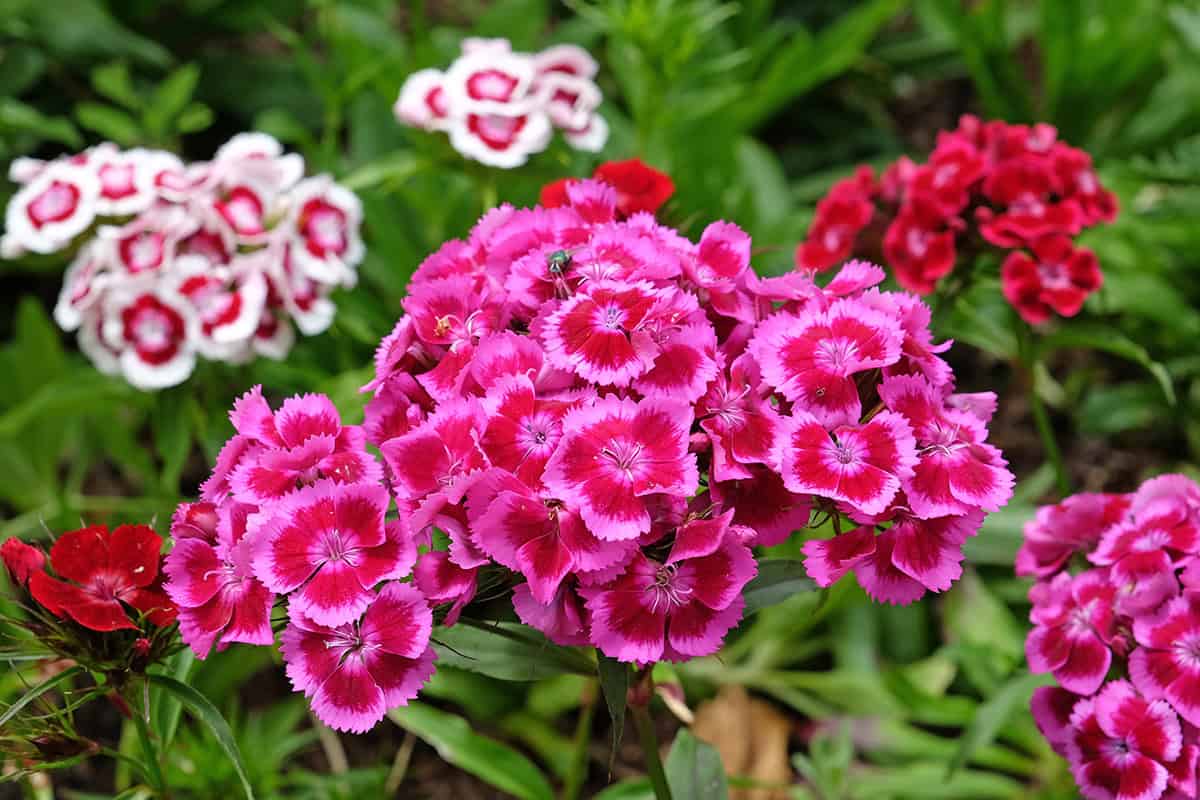
Dianthus, the family that includes pinks and carnations, handles cool fall weather well. Plants set out in August bloom into autumn, and perennial types return next year.
They prefer slightly alkaline, well-drained soil and full sun. Space plants for airflow and water at the base, since wet crowns rot. Deadhead spent flowers to encourage repeat blooms with their spicy, clove-like scent.
Petunias (in warmer zones)
Petunias planted in August add quick color in warm regions with long falls. Heat-tolerant series like Supertunia and Wave bloom hardest.
They need full sun, regular watering and sharp drainage. Feed every two weeks with a balanced liquid fertilizer, since petunias are heavy feeders. Trailing types fill baskets, while mounding types fit beds and borders.
Marigolds
Marigolds grow fast in summer heat and bloom about eight weeks after sowing, or right away from nursery transplants. They flower until the first frost.
Plant in full sun and well-drained soil, and let the surface dry between waterings. Deadhead regularly. French marigolds also deter root-knot nematodes in vegetable beds when planted densely for a full season.
Zinnias

Zinnias sprout within a week in warm August soil and bloom in about two months, a good fit for areas where frost holds off until late October. In shorter seasons, buy transplants instead.
Grow them in full sun and rich, well-drained soil. Water at the base to prevent powdery mildew. Cutting flowers for the vase encourages more blooms, and butterflies visit all season.
Cosmos
Cosmos grows feathery leaves and daisy-like flowers on stems 2 to 5 feet tall. Seeds sown in early August bloom in about seven to eight weeks, and the plants thrive in poor, dry soil.
Plant in full sun and skip fertilizer, which produces leaves instead of flowers. Deadhead to extend blooming. Cosmos self-sows freely, so expect seedlings next spring.
Rudbeckia (Black-eyed Susan)
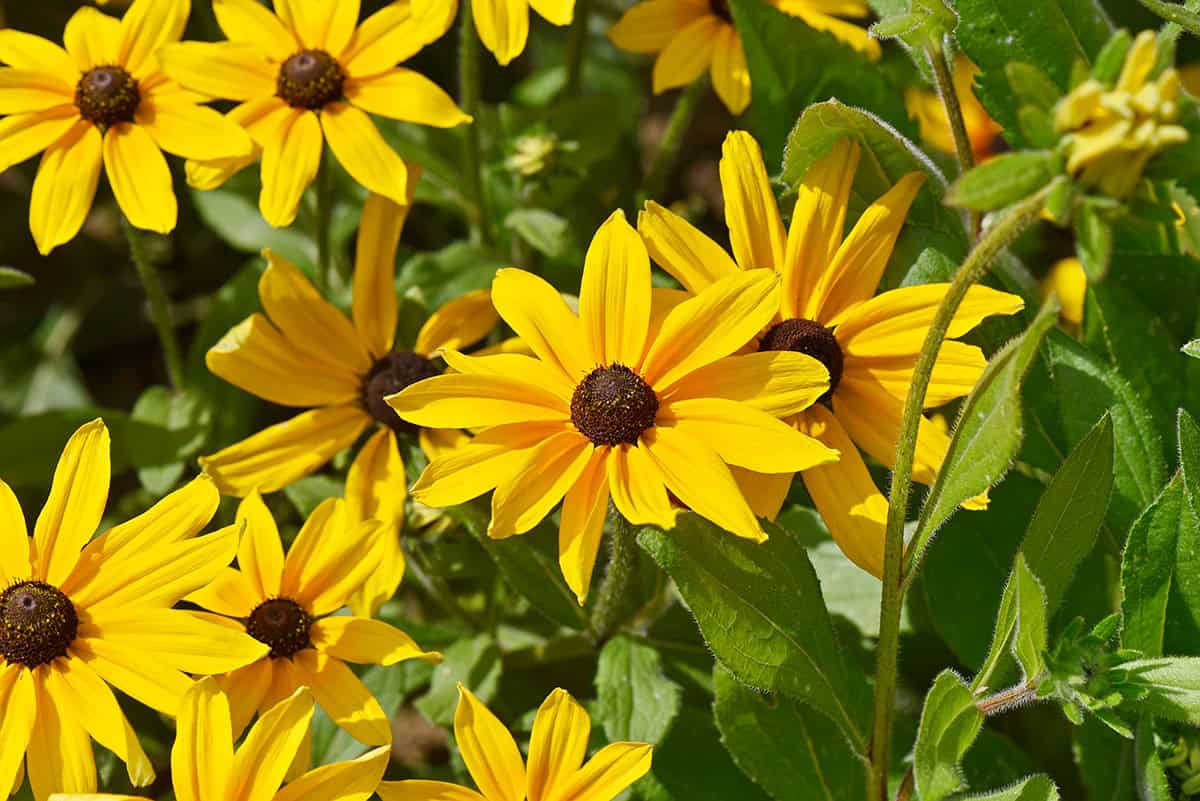
Black-eyed Susans in nursery pots bloom right through late summer and into fall. Planting in August also leaves perennial types several weeks to root in before winter.
Water new plants every few days until established, after which they handle drought well. They grow in sun and average or poor soil. Leave a few seed heads standing for goldfinches in winter.
Coneflowers (Echinacea)
Potted coneflowers planted in August add late-season color and settle in for a bigger show next summer. Colors run from classic purple to white, pink, orange and yellow.
Plant in full sun and well-drained soil. Water regularly for the first month, then let the soil dry slightly between waterings. Bees and butterflies love the flowers, birds eat the seeds, and deer tend to leave the plants alone.
Salvia
Salvias send up spikes of blue, purple or red flowers that bloom until frost. Hummingbirds and bees visit them constantly in late summer.
Plant in full sun and well-drained soil. Most salvias tolerate heat and dry spells once established. Trim spent spikes to encourage new ones. Annual types such as scarlet sage finish at frost, while perennial salvias like May Night return each year.
Lantana
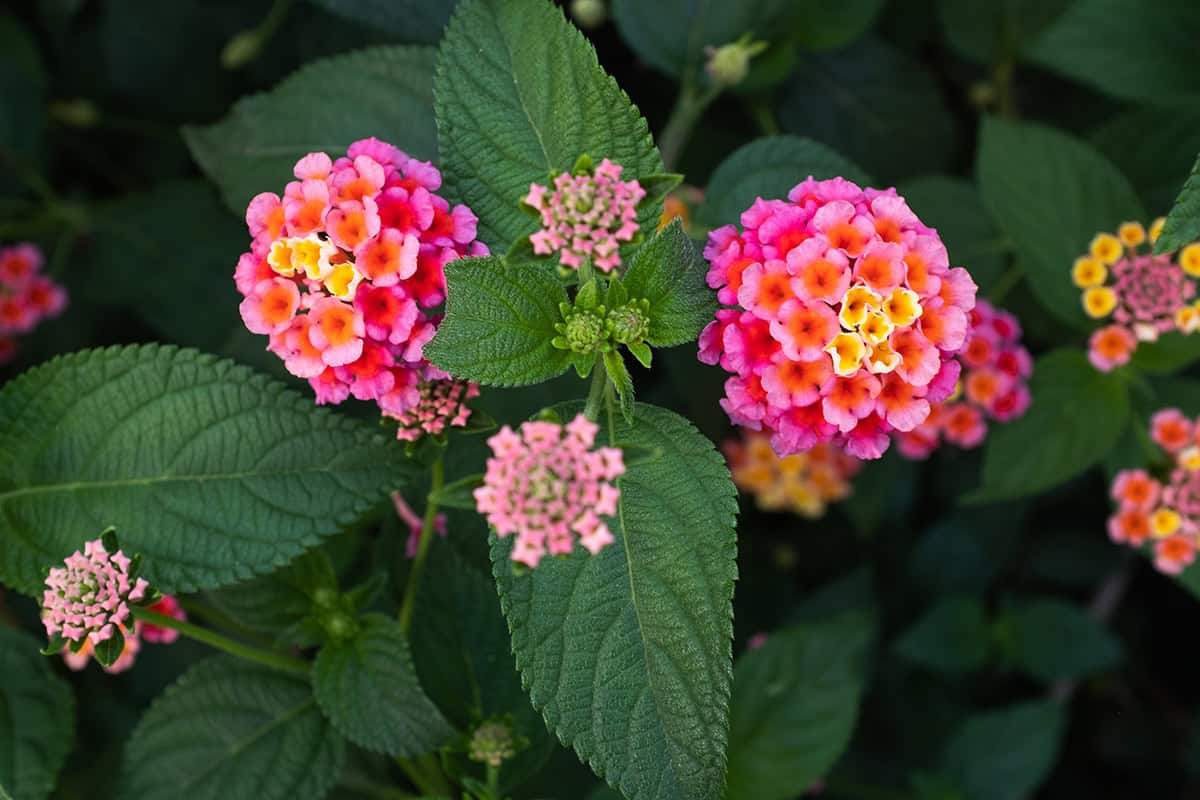
Lantana thrives in August heat and produces clusters of flowers in mixed colors until cool weather arrives. It grows as a perennial in zones 8 to 11 and as an annual elsewhere.
Plant in full sun and well-drained soil, and water regularly for the first few weeks. Butterflies flock to it. Mounding types fill beds, while trailers spill from containers. The leaves and berries harm pets and livestock if eaten, and lantana spreads invasively in parts of Florida, Hawaii and Texas.
Coreopsis
Coreopsis produces masses of daisy-like flowers in yellow, gold, pink or red. August-planted perennials bloom into fall and come back stronger next year.
Plant in full sun and well-drained or even poor soil, and avoid heavy watering once established. Shear the plants by a third after the first flush to encourage a second round of blooms.
Blanket Flower (Gaillardia)

Blanket flower opens red, orange and yellow daisies, ringed in contrasting bands, from midsummer until frost. Nursery plants set out in August flower right away.
It thrives in lean, sandy soil and full sun, while rich soil or heavy watering shortens its life. Deadhead to extend blooming, and leave the last flowers to set seed.
Dusty Miller
Dusty miller grows soft, silver-gray foliage that sets off bright flowers in beds and containers. August plantings last into winter in mild climates and handle light frost.
Plant in full sun or partial shade and well-drained soil, and water only when the top inch dries. Deer and rabbits rarely bother it.
Nasturtiums

Nasturtiums grow round leaves and bright orange, red or yellow flowers, all edible with a peppery bite. Sow seeds directly where they’ll grow, since the roots dislike transplanting, and expect blooms in six to eight weeks.
Lean soil produces the most flowers, while rich soil grows mostly leaves. Let the soil dry slightly between waterings, and grow them in beds, containers or hanging baskets.
Ornamental Kale
Ornamental kale and cabbage develop their best color once nights drop below 55°F. Plant transplants in late August or September for a display that lasts into winter.
Grow them in full sun and rich, well-drained soil with even moisture. Frost deepens the purple, pink and white centers, and the plants tolerate temperatures down to about 5°F.
Chrysanthemums (early varieties)
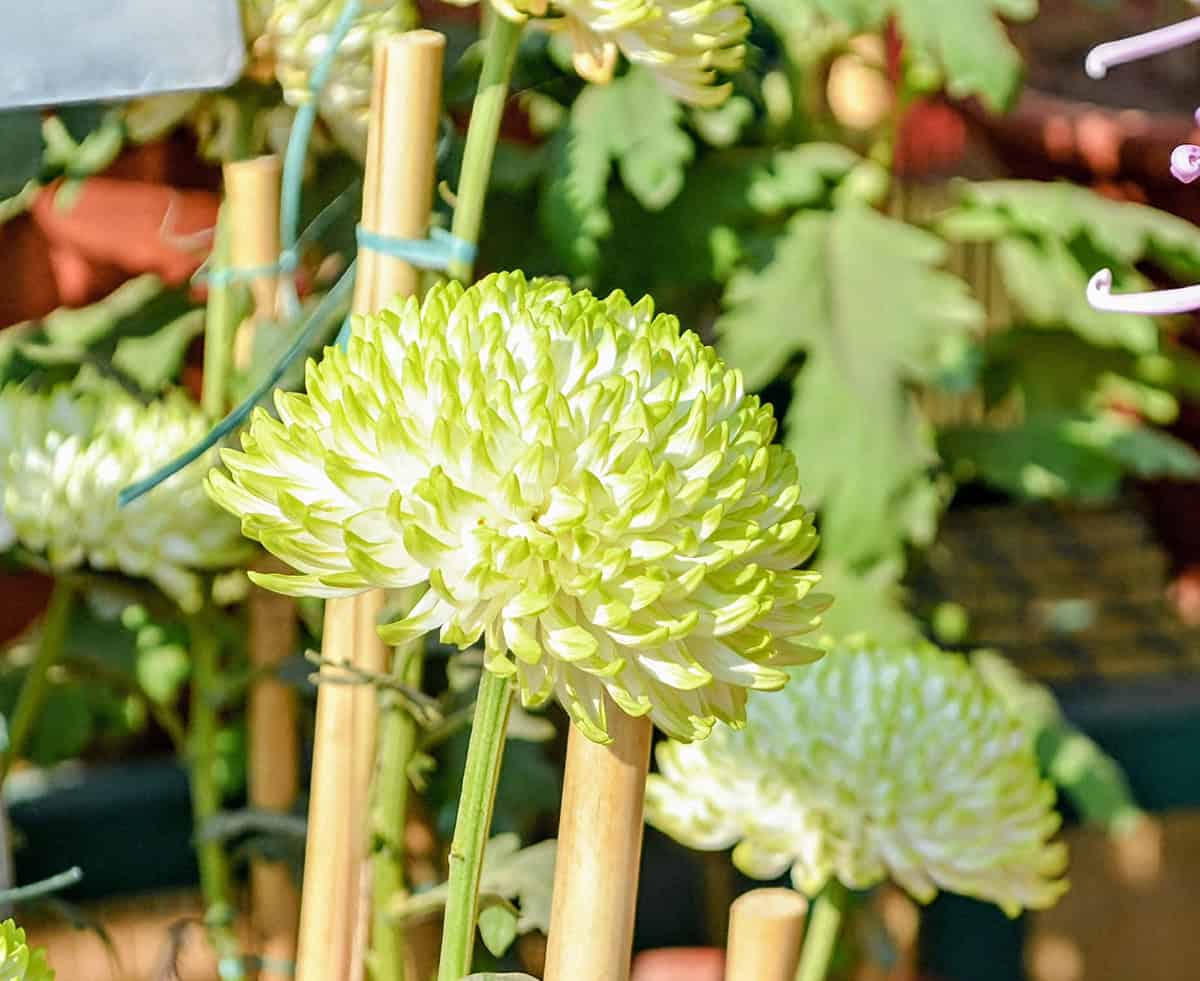
Garden mums planted in August bloom on schedule in September and October. Northern gardeners get the most reliable show from early-flowering varieties.
Plant in full sun and fertile, well-drained soil, and water deeply twice a week. Mums planted this late have less time to root, so mulch them well after the first frost to help them survive winter.
Ageratum
Ageratum forms compact mounds of fluffy blue, white or pink flowers. Transplants set out in August bloom within weeks and continue until frost.
Plant in full sun to partial shade and moist, well-drained soil. Deadhead regularly, and use the low mounds to edge borders and fill containers.
Sweet William
Sweet William grows as a biennial or short-lived perennial. Seeds or young plants set out in August build roots and leaves this fall, then flower heavily the following spring in clusters of pink, red, white or bicolor.
Plant in rich, well-drained soil in full sun or partial shade, and water during dry spells. The plants self-sow for new flowers in later years.
Cleome
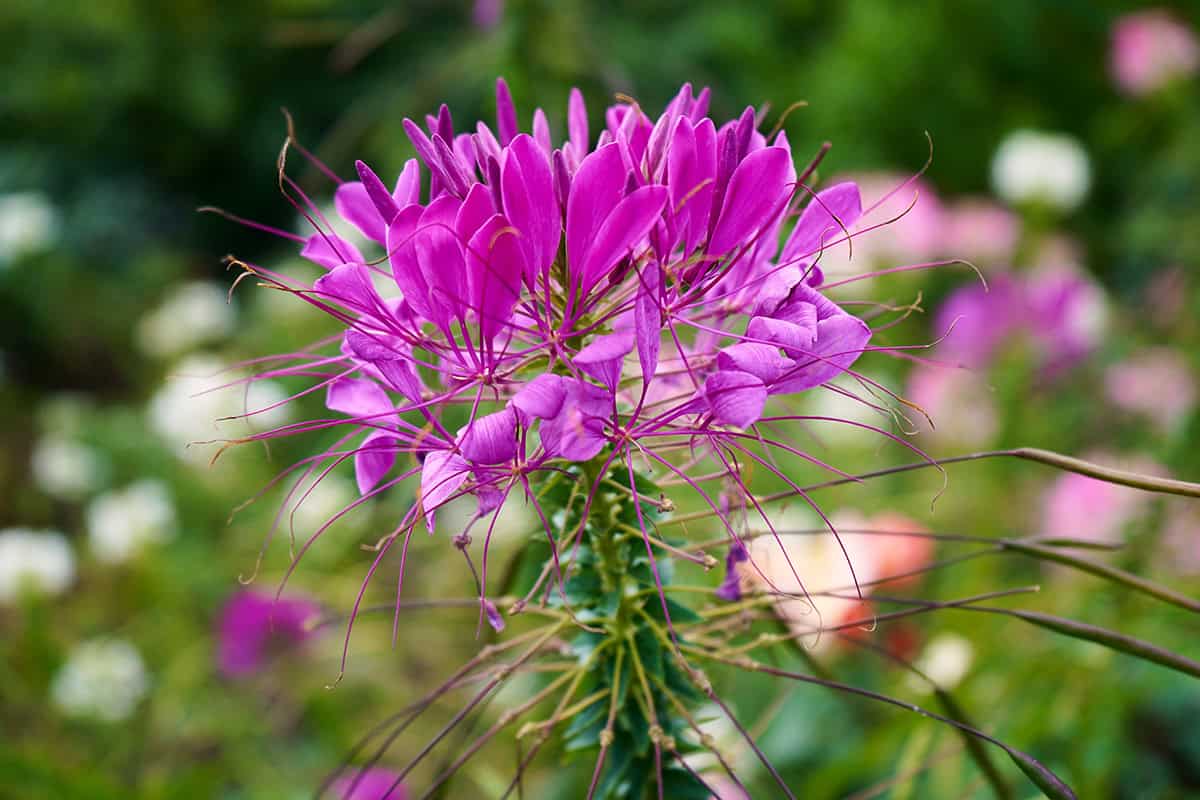
Cleome, or spider flower, grows 3 to 5 feet tall with airy flower heads in pink, white or lavender. Nursery transplants added in August flower until frost, though seeds sown this late rarely have time to bloom in cold regions.
It handles heat and dry spells, and hummingbirds and moths visit the blooms in the evening. Deadhead to limit self-seeding, and wear gloves, since many varieties carry small thorns.
Scabiosa (Pincushion Flower)
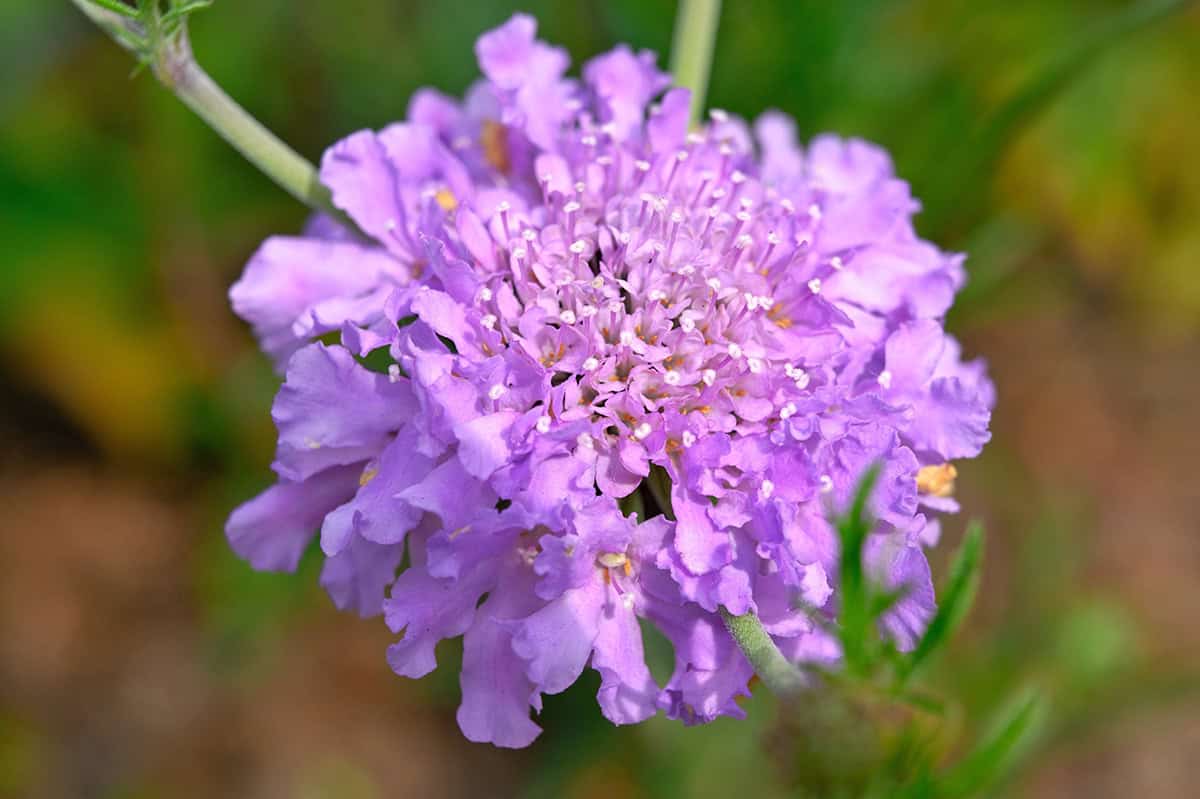
Scabiosa, or pincushion flower, produces round blooms in blue, lavender, pink or white on long, wiry stems. Transplants planted in August bloom into fall.
Choose a sunny site with well-drained, slightly alkaline soil, and water during dry weather. Deadhead regularly for steady flowers, and cut stems for small arrangements.
Verbena
Verbena blooms in clusters of purple, pink, red or white until frost. Nursery starts planted in August spread quickly to fill gaps in beds and containers.
Plant in full sun and well-drained soil, water consistently at first, then cut back to weekly watering. Tall Verbena bonariensis self-sows and draws butterflies, while trailing types spill over pot edges.