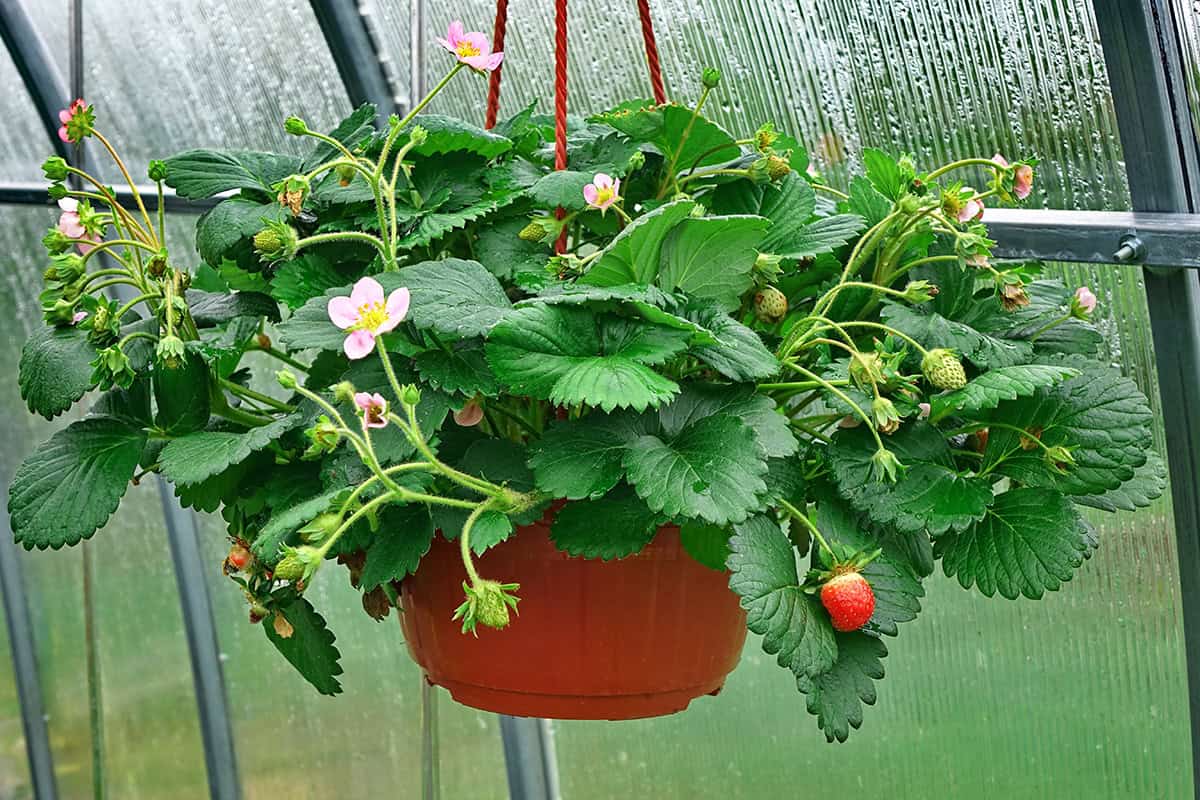
Fresh strawberries can actually do surprisingly well inside, if you’re willing to give them the basics. You get to control the light, water, and temperature, so it’s not as tricky as it sounds. With the right variety, strong light, steady water, and basic care, you can harvest strawberries indoors—sometimes even more reliably than outside.
This isn’t rocket science. You’ll want to pick compact varieties, grab a container that gives roots some elbow room, and plant with a bit of confidence. From there, it’s mostly about managing light, water, and feeding. You’ll also want to know how to help with pollination and fruit development, since bees aren’t exactly flying around your living room.
Timing the harvest right makes a huge difference in flavor, and pruning keeps everything manageable. Troubleshooting? It happens, but most problems indoors have straightforward fixes. This all fits right onto a shelf, windowsill, or under a grow light—no backyard required.
Table of Contents
Best Varieties For Indoors / Varieties Selection
If you want strawberries to actually fruit inside, you need plants that don’t care much about the seasons. Day-neutral and everbearing strawberries are your best bet—they don’t fuss over day length, which is perfect for windowsills or under lights.
Day-neutral types, like Albion, give you firm berries and don’t mind the temperature swings indoors. Seascape is another solid choice for containers, and San Andreas thrives if you’re generous with light and feeding.
Everbearing options, such as Quinault and Ozark Beauty, are also worth considering. They don’t need a ton of space and keep producing even in smaller pots, which is nice if you’re short on room.
For something a bit different, alpine strawberries like Alexandria and Mignonette are tidy, compact, and don’t send out runners. The berries are tiny but packed with flavor.
Skip June-bearing types for indoor setups—they want a big root zone and seasonal cues you just can’t give them inside. Varieties bred for containers or patios are usually a safer bet indoors, and you’ll notice the difference in both yield and plant health.
Container Size
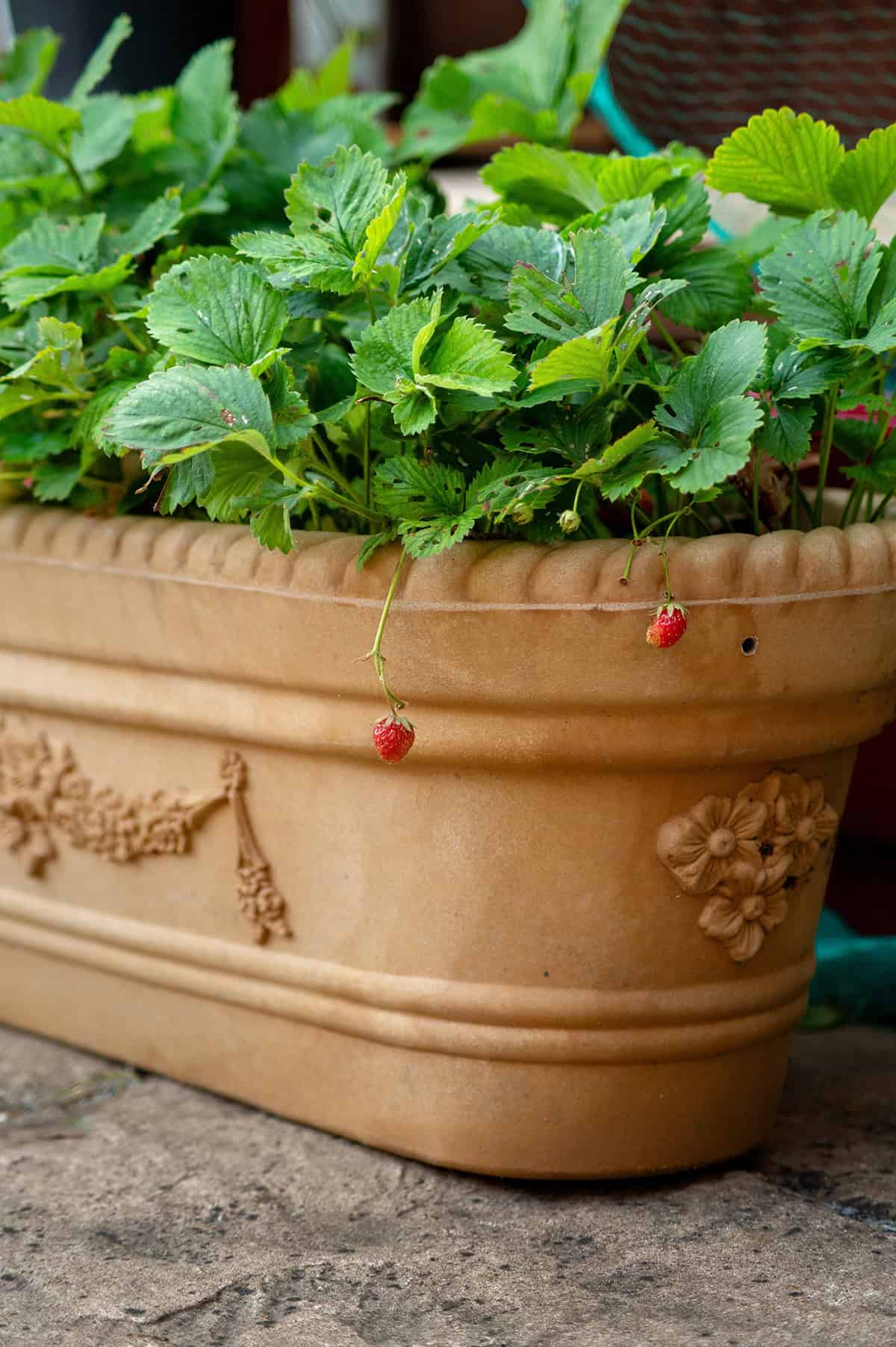
Getting the pot size right makes a big difference. Strawberry roots are shallow, so they’re happier with more width than depth. Shoot for at least 12 inches wide for a single plant, and try for 8 to 10 inches deep so roots have enough space to spread.
Packing too many plants together just leads to smaller fruit and unhappy plants. Usually, one per pot is best indoors. If you’re using a longer box, leave 8 to 10 inches between each plant. That way, every crown gets its share of light and air.
Don’t ignore stability. A pot that tips over is a pain, and it’s rough on the roots. Go for something sturdy, with drainage holes so water doesn’t pool at the bottom. Lighter-colored pots help keep roots from overheating, especially near bright windows or under lights.
Bigger pots help buffer moisture swings, too. Small containers dry out in a flash, so unless you want to water constantly, give the roots a bit more soil to work with. It’ll keep things steadier for flowering and fruit set.
Planting
Start with healthy, certified plants if you can—it’s just less hassle than fighting off diseases later. Day-neutral or everbearing types are easier indoors since they’ll fruit most of the year. June-bearers can be grown, but they’re fussier about light and need some downtime.
Choose containers with drainage and at least 8 inches deep. Strawberries don’t root deeply, but they do spread fast. If roots get crowded, you’ll notice smaller fruit and sluggish growth.
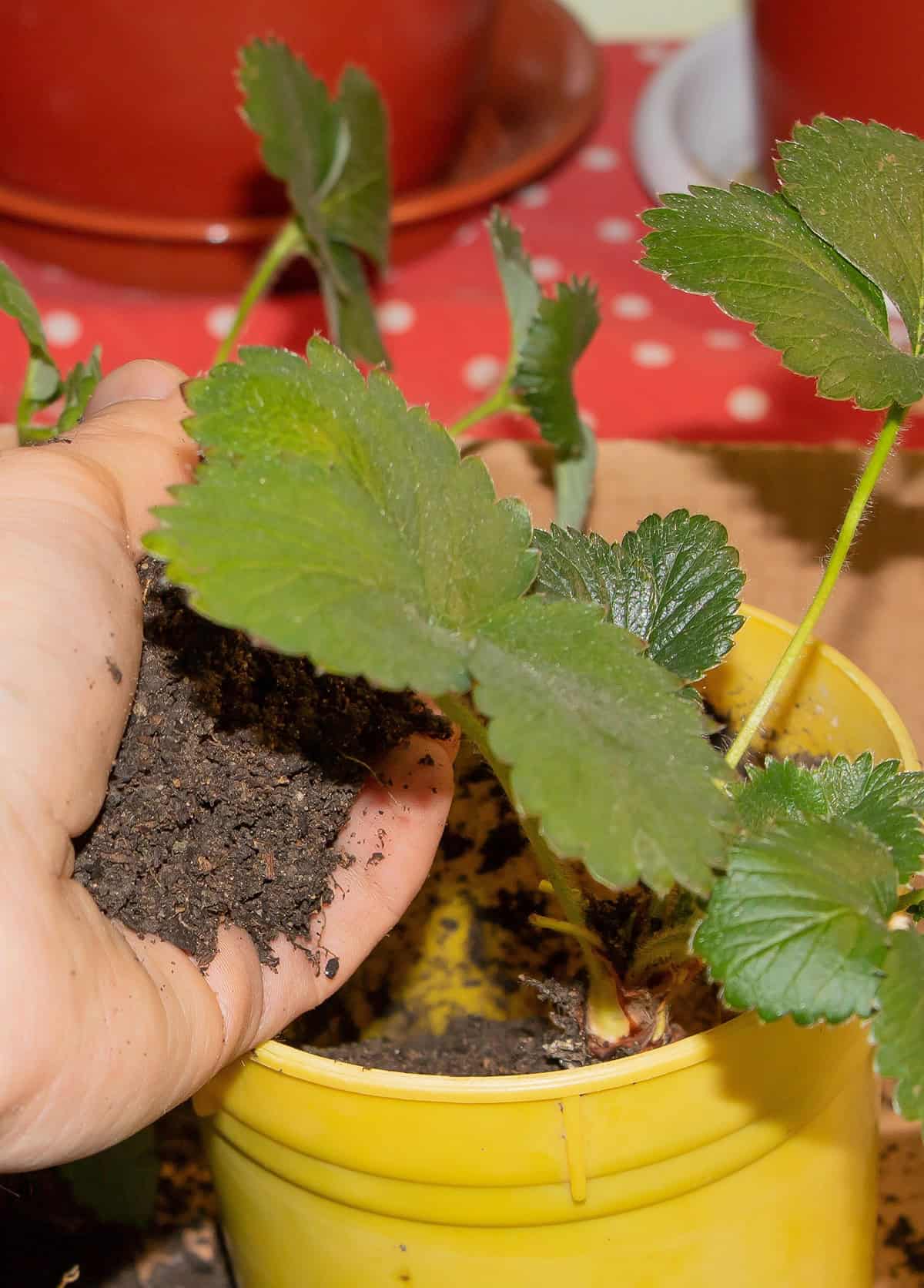
Go for a loose, well-drained potting mix—skip garden soil. Set the crown right at soil level, not buried or sitting above the surface. Get this wrong and you might see rot or stunted plants.
Water the soil before and after planting. Moist soil helps roots settle in and reduces shock. Keep the surface a bit damp for the first couple of weeks while the plants adjust.
Right after planting, get those containers into strong light. Most setups indoors need grow lights running 12 to 14 hours daily. Early on, stable light is key for root and leaf growth.
Space matters—don’t cram plants together. Leave enough room for air to move between leaves, which helps with disease prevention and later, pollination. Even in big pots, give each plant a few inches to itself.
Light
If you want fruit, you need bright, consistent light—no way around it. Aim for the equivalent of full sun. Weak light just means leggy plants and barely any berries.
South-facing windows are great if you have them. Rotate your pots every few days so all sides get some love. Keep the foliage close to the light source, but not touching it, since glass cuts down intensity pretty fast.
Grow lights are a game changer indoors. Run them for 12 to 16 hours a day on a timer. Full-spectrum fixtures are best—plants notice the difference. Set up a schedule and stick to it, or you’ll mess with flowering.
Pay attention to what the plants are telling you. If you see pale leaves or stretched stems, bump up the light. Compact, dark green growth? You’re probably on the right track. The beauty of growing indoors is you actually have control over this stuff.
Water
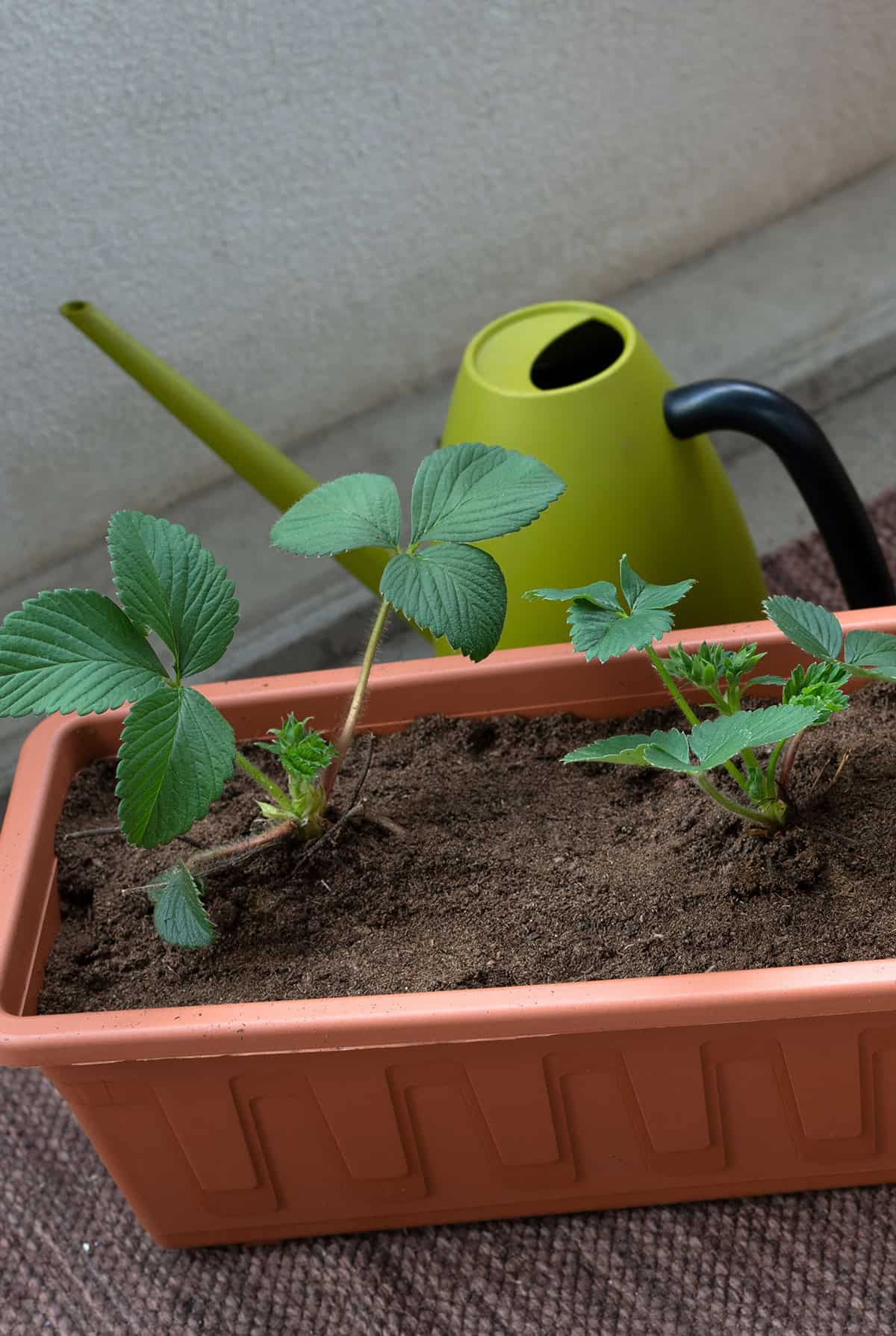
Strawberries indoors want steady moisture, but they hate soggy roots. Keep the soil evenly moist, but let the top dry out just a bit before watering again.
Drainage is non-negotiable. If water pools at the bottom, roots will rot and fruit quality tanks. Always use pots with holes in the bottom—it just makes life easier.
Drip systems work well for day‑neutral types indoors, since water goes right to the roots and leaves stay dry. That’s important, since wet leaves are just asking for disease in a closed space.
Don’t forget about water quality. Room‑temperature water helps avoid shocking the roots. Check soil moisture often—indoor heat and lights dry things out way faster than you might expect.
Feeding
Strawberries in pots need a steady supply of nutrients to keep up with leaves and fruit. Use a balanced fertilizer with nitrogen, phosphorus, and potassium. Go for something made for fruiting plants, not just leafy greens, so you get more berries and not just a pile of foliage.
Light, regular feeding is the way to go. Diluted liquid fertilizer is easy for roots to take up in containers. Feed every two or three weeks while the plants are growing. Back off a bit when growth slows or flowers drop off.
Calcium and magnesium can run low in potting mixes over time. If you notice leaf edges burning or growth slowing, a supplement might help. Iron sometimes becomes an issue, especially under LEDs—watch for pale new leaves.
Don’t overdo it. Too much fertilizer just builds up salts in the pot. Flush the soil out with plain water once a month to get rid of buildup. Always fertilize when the soil’s already moist, not bone dry. Stick with it, and you’ll get better-tasting berries.
Support And Training
Even though strawberries stay pretty low, fruit can weigh stems down. Once you see flowers, it’s worth adding a bit of support—clips or soft ties work. This keeps stems upright and berries off the damp soil, which helps avoid rot.
You don’t need trellises for most indoor varieties. They grow close to the soil, so a stable, wide-based pot is more important than anything vertical. Make sure light hits all sides for even growth.
Runners can get out of hand indoors. Snip off most of them so the plant puts its energy into fruit and the main crown. Keep one or two if you want to start new plants later, but otherwise, less is more.
Good airflow helps, too. A small fan on low strengthens stems and keeps moisture from building up around the leaves and berries. Just don’t blast them—gentle movement is enough.
Pollination
Strawberries are self‑fertile, but indoors, there are no bees to help out. You’ll need to step in if you want full, well-shaped berries.
Use a soft brush or cotton swab to gently dab the center of each flower, moving from one to the next. Do this every couple of days while the plants are blooming.
Light and temperature have a say in pollen quality, too. Keep things bright and not too hot or cold. A little airflow from a fan helps move pollen, but don’t overdo it or you’ll knock off flowers.
Most indoor varieties can set fruit solo, but if pollination’s off, you’ll get small or odd-shaped berries. A little extra effort here pays off at harvest.
Fruit Development
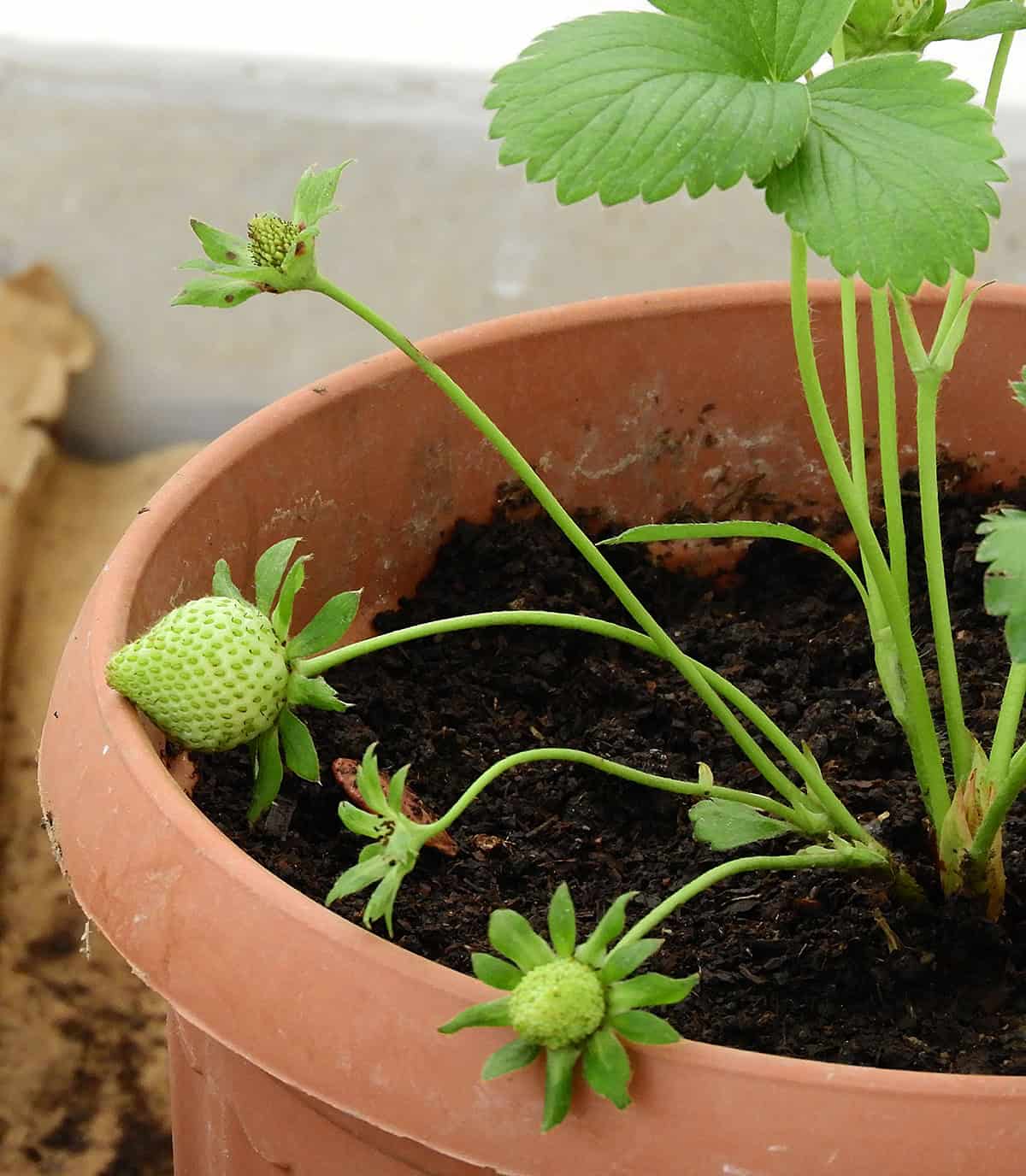
Once flowers open, the real work is keeping things steady—light, temperature, and basic care all matter. Since you’re inside, you’ll need to hand-pollinate (soft brush, quick touch at the flower center), or you’ll miss out on full berries.
After pollination, you’ll spot tiny green berries forming. They usually take about 30 days after bloom to ripen, assuming conditions are pretty stable. Cooler rooms slow things down, and too much heat shrinks the fruit. Keep air moving gently so stems don’t get floppy.
Light makes a big difference in flavor and color. Bright, even exposure every day is best. Uneven or weak light leads to pale, bland berries. Rotate your pots so all sides get some sun or grow light.
Don’t slack on watering now. Soil should be moist but never soggy. If you let it swing between dry and drenched, you’ll see weird-shaped fruit or splitting. Stick to a light hand with fertilizer—steady is better than heavy at this stage.
Pruning
Pruning’s not just about looks—it keeps indoor strawberries productive and healthy. You’re basically managing where the plant spends its energy and making sure light and air get where they need to go.
Start by dealing with runners. Most should go as soon as they show up, so the main crown and fruit get the resources. Only let a runner grow if you’re planning to replace an older plant. Clean scissors, snip close to the base—simple.
When plants are just getting established, pinch off the first few flowers. It feels wrong, but it helps the crown bulk up and pays off with better yields later. Once plants are settled, let them keep their blooms.
Yellow, damaged, or packed-in leaves? Take them off at the stem base—don’t tear, just cut. This keeps air moving and light reaching the whole plant. Give them a once-over every week or two.
How much you prune depends on the type. Day-neutral and everbearing plants need regular runner removal. June-bearers can handle a few more runners if you’ve got space. Adjust based on what you’re growing and how much room you have.
Harvest
You’ll know strawberries are ready when they’re fully colored, tip to cap. Most indoor plants hit ripeness about four weeks after blooming, but it varies with light and temperature. Waiting for full, even color gives you the best flavor. Don’t sweat size—variety and plant age play a big part.
Pick in the morning, once any surface moisture dries. Twist gently and keep the green cap on—it’ll help the berry last longer. Indoor berries bruise easily, so handle them carefully and get them out of direct light right away.
Store fresh berries unwashed in a shallow container in the fridge. They’re best within a few days. Wash only what you’re about to eat, and do it just before serving for the best taste and texture.
Common Problems & Troubleshooting
Getting fruit can be tricky if your lighting isn’t up to par—these plants really want strong light most of the day. Otherwise, you’ll end up with lots of leaves but not much in the way of berries. Indoors, since there aren’t any bees or bugs to help, you’ll need to hand-pollinate every open flower with a soft brush. Miss a few, and you’ll notice smaller or lopsided fruit popping up.
When leaves go yellow or growth seems sluggish, it’s usually about nutrition or space. If you overdo it with nitrogen, you’ll get a jungle of leaves but the fruit will suffer. Plants crammed together just stress out—roots get crowded, and moisture hangs around too long. It’s worth spacing them out and sticking to a lighter touch with fertilizer.
Ever see wilting even when the soil’s still damp? That’s often root disease. Containers indoors don’t dry out as quickly, so root rot can sneak up. Drainage holes aren’t just a suggestion—they’re essential. Let the top layer of soil dry out a bit before you water again.
Soft fruit, spots, or fuzzy mold are usually down to stale air. Gray mold, in particular, moves fast if the room’s stuffy. It helps to keep plants spaced out and toss any damaged fruit right away. Fresh potting mix and clean tools go a long way for disease prevention, honestly.
Pests aren’t totally absent indoors—aphids, mites, and the occasional beetle still show up. Take a look every week or so and just rinse off anything you spot. Nipping problems early saves a lot of hassle later.