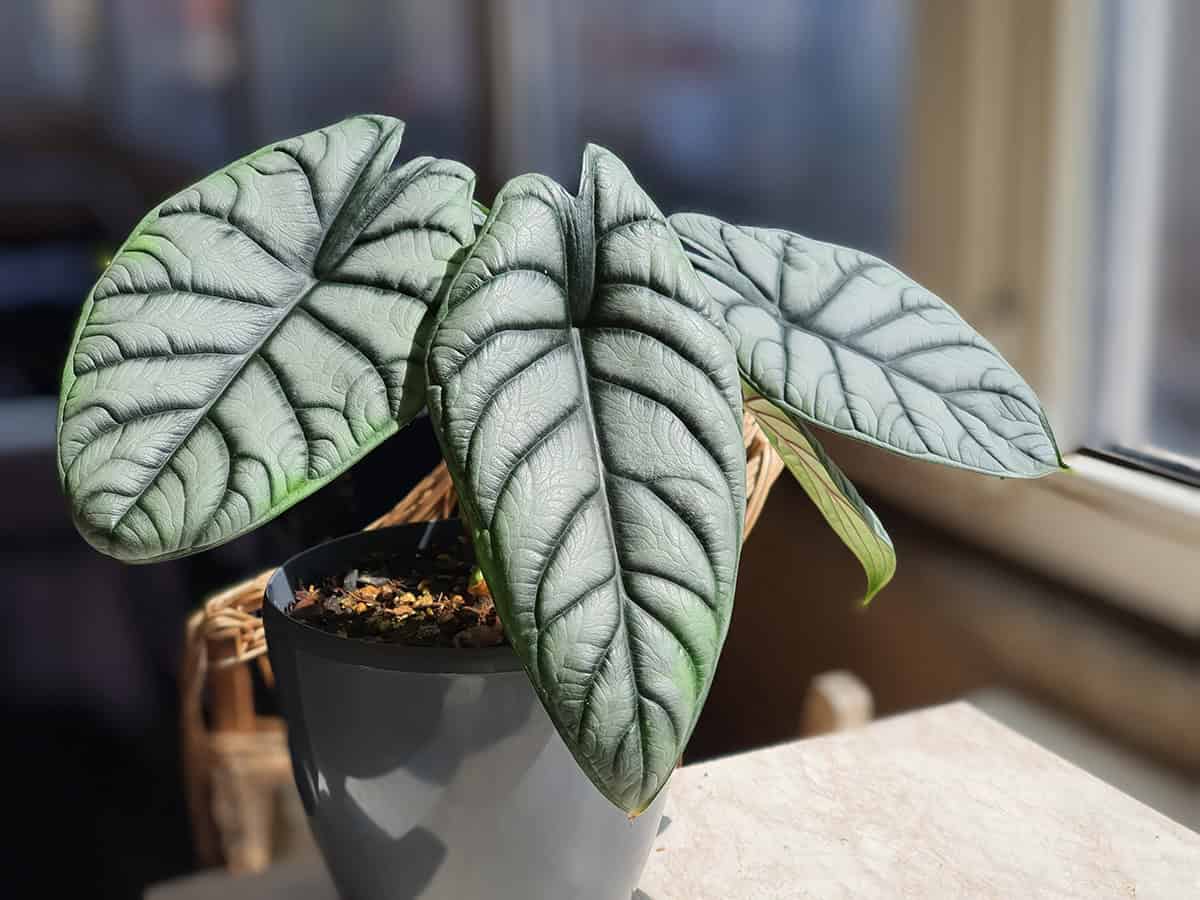
Thick, silver-toned leaves crisscrossed with deep green veins—Alocasia Silver Dragon is one of those plants that grabs your attention instantly. It’s all about the foliage here; flowers are rare and, honestly, not the reason you’d want this compact beauty in your space. If you’re craving bold texture without letting your house turn into a jungle, this one fits the bill.
Bright, indirect light, loose soil that drains well, reliable moisture, warmth, and plenty of humidity—these are the basics that keep Alocasia Silver Dragon looking sharp. Meet those needs and you’ll see those sculptural leaves stay crisp and dramatic.
This guide covers what actually matters: dialing in light, water, soil, temperature, and humidity, plus how to feed, repot, prune, and propagate. Troubleshooting tips are sprinkled in, so you can spot problems like root rot or leaf drop before they become a headache.
Table of Contents
Quick Care Summary
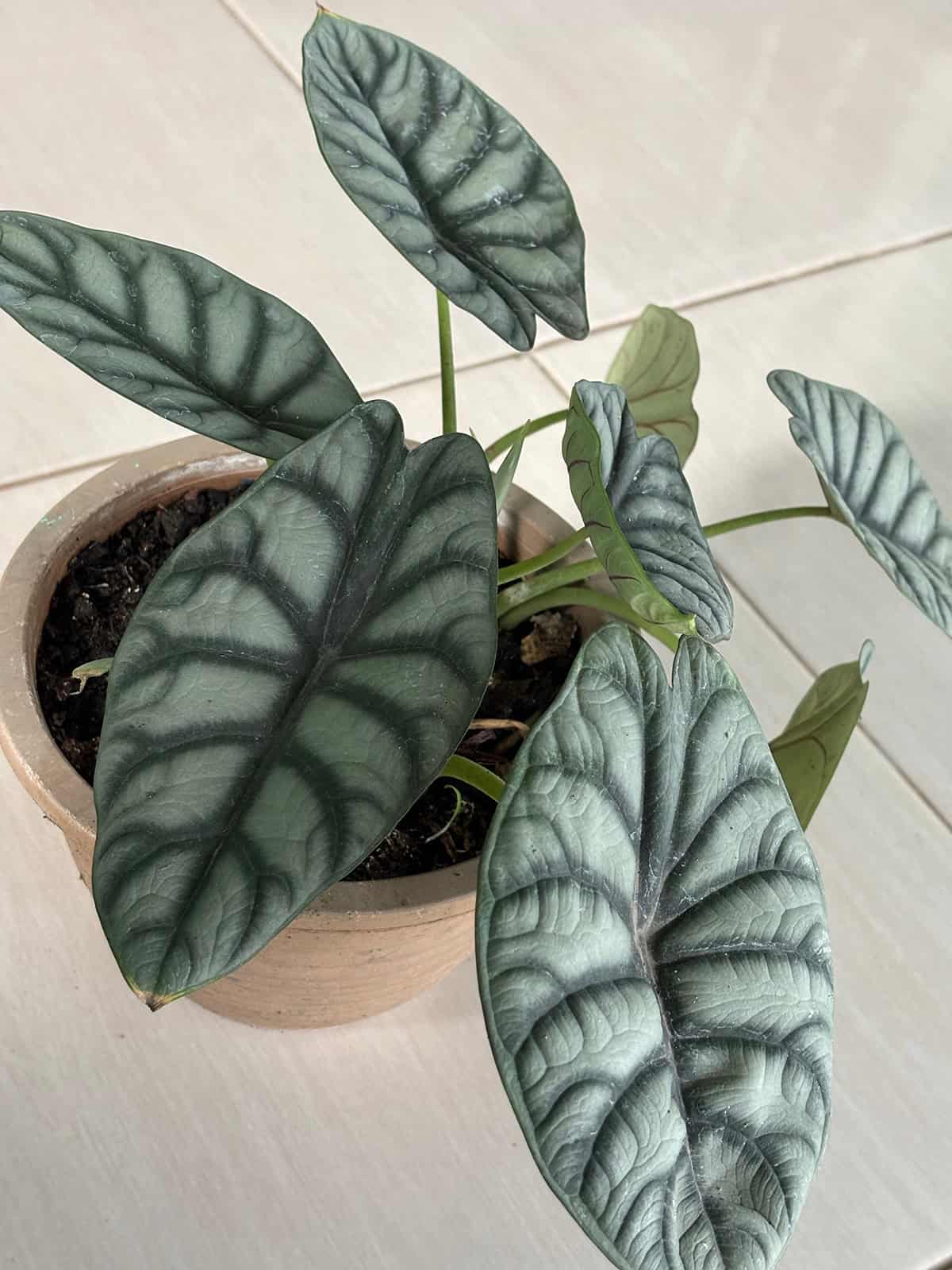
Warmth and filtered light are non-negotiable. Consistent moisture and airflow help sidestep root rot. Humidity? The higher, the better for those textured leaves.
- Light: Bright, indirect—no scorched leaves, please
- Soil: Fast-draining aroid mix, with peat or coco coir and a good dose of perlite
- Watering: Lightly moist soil; top inch dry before you water again
- Temperature: 65–80°F (18–27°C); keep away from cold drafts
- Humidity: 60%+ for best results
- Fertilizer: Balanced liquid, every 4–6 weeks during active growth
- Propagation: Division, best done in spring
East or north windows are your friends. Always use pots with drainage holes. When days get shorter, ease up on water and fertilizer.
If leaves turn yellow, check your watering habits. Brown, crunchy edges? Probably too dry. Adjust as needed—this plant doesn’t give you much time to fix mistakes.
Plant Overview
A firm, almost leathery touch and a striking silver finish with deep green veins—this is what sets Alocasia Silver Dragon apart from the usual houseplant crowd.
Staying compact, it won’t outgrow a shelf, desk, or windowsill anytime soon. With the right conditions, it thrives indoors and doesn’t need much room to shine.
- Botanical name: Alocasia baginda ‘Silver Dragon’
- Common names: Alocasia Silver Dragon, Silver Dragon Elephant Ear
- Plant type: Tropical perennial
- Mature size: 1–2 feet tall and wide
- Growth rate: Moderate, especially when it’s warm
- Toxicity: Toxic to pets and humans if eaten
- Native region: Southeast Asia (species origin)
Part of the Araceae family, or aroids, it shares preferences with other elephant ear types: warmth, steady moisture, and no patience for cold or sudden drafts.
- Light: Bright, indirect
- Soil: Rich, well-draining
- Watering: Lightly moist, never soggy
- Temperature: 65–80°F (18–27°C)
- Humidity: High, always
- Fertilizer: Balanced, during growth
- Propagation: Division when repotting
Light
Filtered sunlight sets the scene. In its natural habitat, taller plants soften the sun, so harsh rays are a no-go indoors. That gentle, indirect brightness keeps growth tight and colors bold.
Try an east-facing window for morning light that won’t burn. South or west windows work, too, but sheer curtains help diffuse strong sun. Scorched patches or faded silver mean it’s getting too much.
Dim corners? Growth slows, leaves shrink, and that dramatic silver fades. If you see stretched stems or smaller, dull leaves, it’s time to move closer to the light.
Every now and then, spin the pot to keep things even—otherwise, you’ll end up with a lopsided plant. If sunlight’s in short supply, a full-spectrum grow light 12–18 inches above the plant can save the day. Aim for about 10–12 hours of light daily.
Water
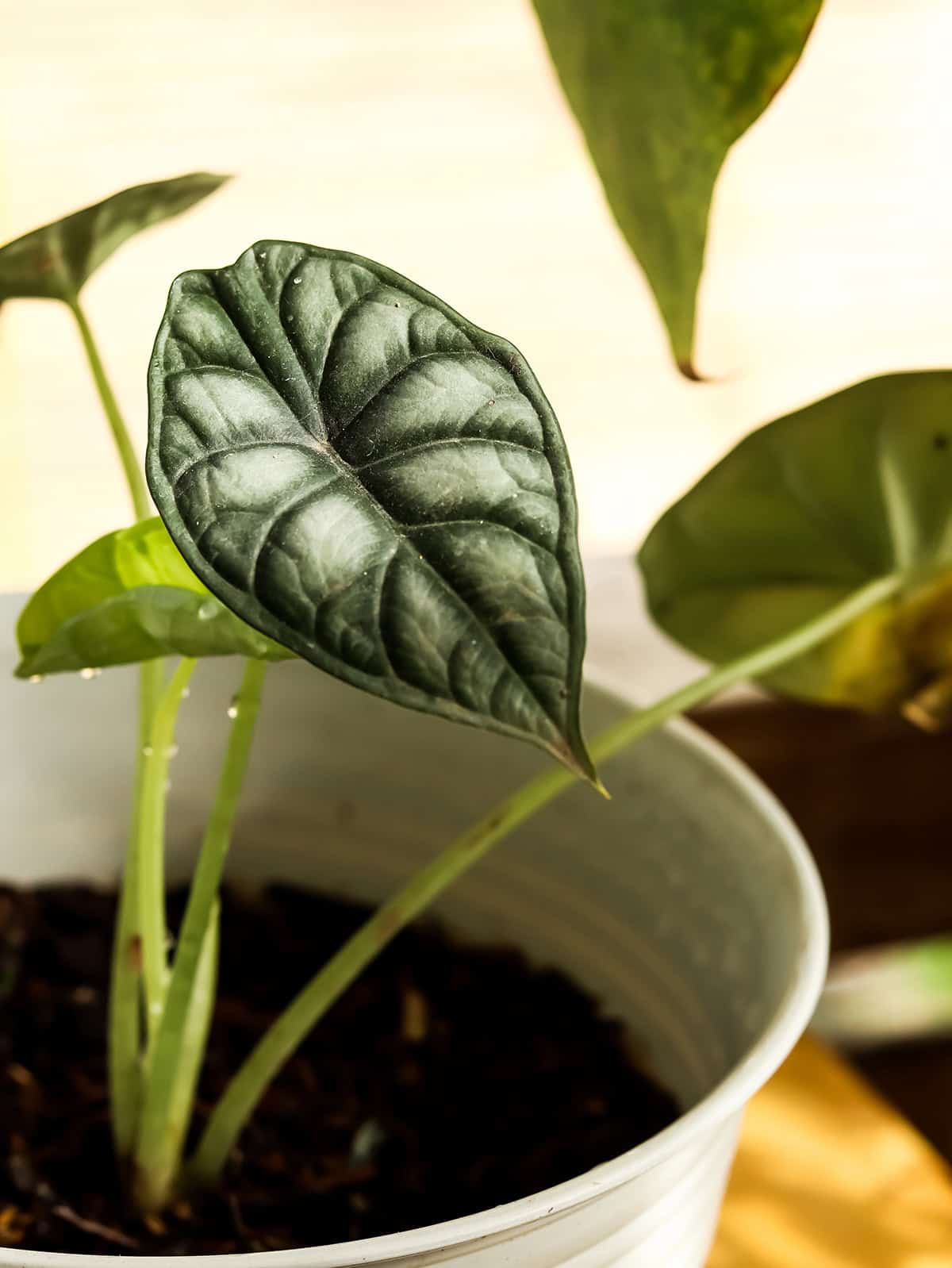
Moisture is a balancing act. Too dry, and the plant sulks. Too wet, and you’re risking root rot.
Fingers make better moisture meters than calendars—wait until the top inch or two of soil is dry before watering. Conditions change with the seasons, so don’t stick to a rigid schedule.
Water evenly with room-temperature water and let it drain thoroughly. Don’t let the pot sit in water; soggy roots are a fast track to trouble.
When days get shorter and growth slows, back off on watering. The root ball should never dry out completely, but it shouldn’t sit in a swamp either.
If you’re running a heater or the air’s dry, expect to water more often. Cooler, shadier spots need less. Droopy leaves can mean either underwatering or waterlogged roots, so check the soil. Yellowing? Usually too much water.
Soil
Roots need air as much as water. Heavy, compacted potting soil is a recipe for disaster here.
A loose blend—think indoor potting mix with a scoop of orchid bark and a handful of perlite—gives roots room to breathe and drains fast. A touch of coco coir or peat moss keeps things lightly moist without turning muddy.
When you squeeze a handful, it should barely hold together, then fall apart. Water should run through easily, never pooling at the bottom.
Drainage holes in the pot are a must. This plant likes things evenly moist, but it won’t forgive waterlogged roots.
Aim for a pH between 5.5 and 7. If growth stalls or leaves look pale, check the soil before reaching for the fertilizer.
Temperature & Humidity
Warmth and humidity set the mood for thriving foliage. Temperatures between 65°F and 85°F (18°C to 29°C) keep things happy. Anything below 60°F risks stunted growth and sad, damaged leaves. Drafts from windows, doors, or vents? Not ideal.
Humidity is just as important—50% is the bare minimum, but 60–70% brings out the best leaf texture and color. Dry air leads to brown edges and curling. Group with other tropicals or run a humidifier to boost moisture.
Rapid changes in temperature or humidity throw the plant off balance. Keep it away from heaters and AC units. Stable warmth and steady air moisture help those leaves stay perky and full.
Fertilizer
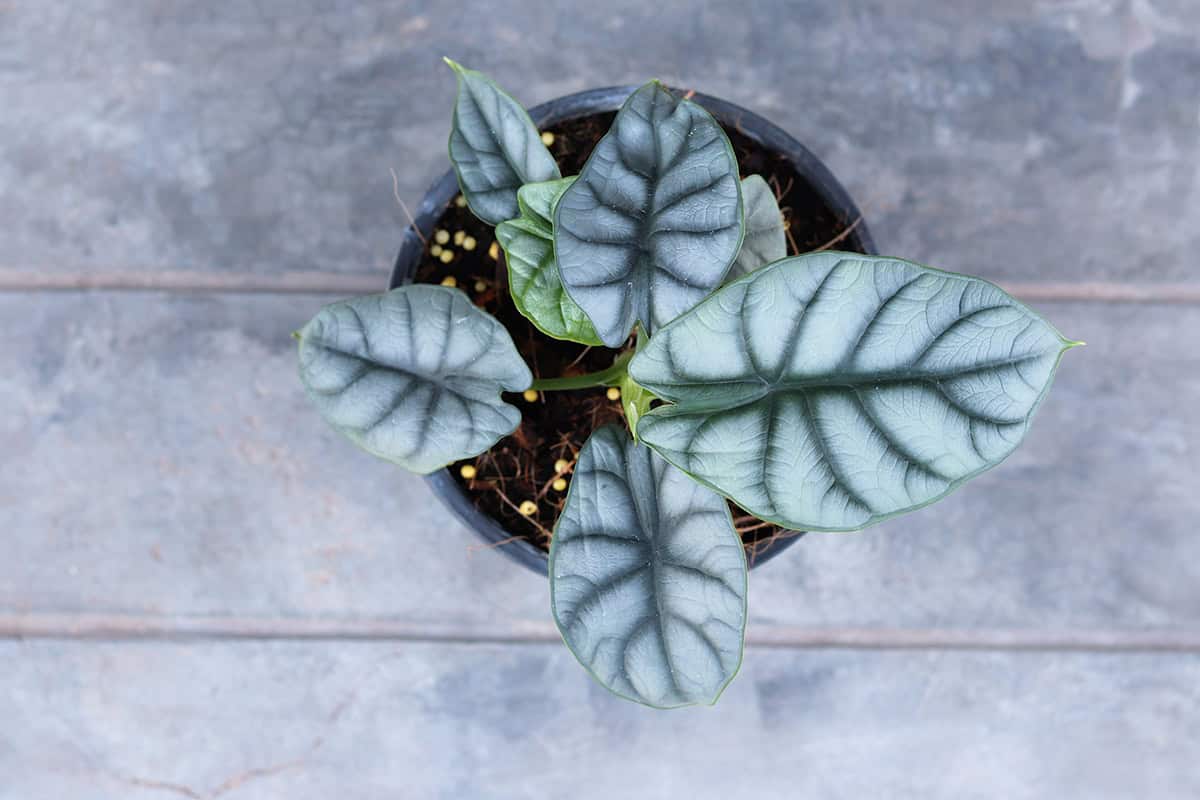
Feeding time matters most from spring through late summer. A balanced liquid houseplant fertilizer, diluted to half strength, hits the sweet spot. Roots burn easily if you fertilize dry soil, so always water first.
Once a month is usually enough. As autumn arrives, start tapering off. No need for fertilizer in winter when growth slows to a crawl.
If you prefer less fuss, a slow-release fertilizer in early spring works, too. Avoid anything high in nitrogen—too much, and the leaves get floppy. Steady, moderate feeding keeps growth strong and colors rich.
Potting & Repotting
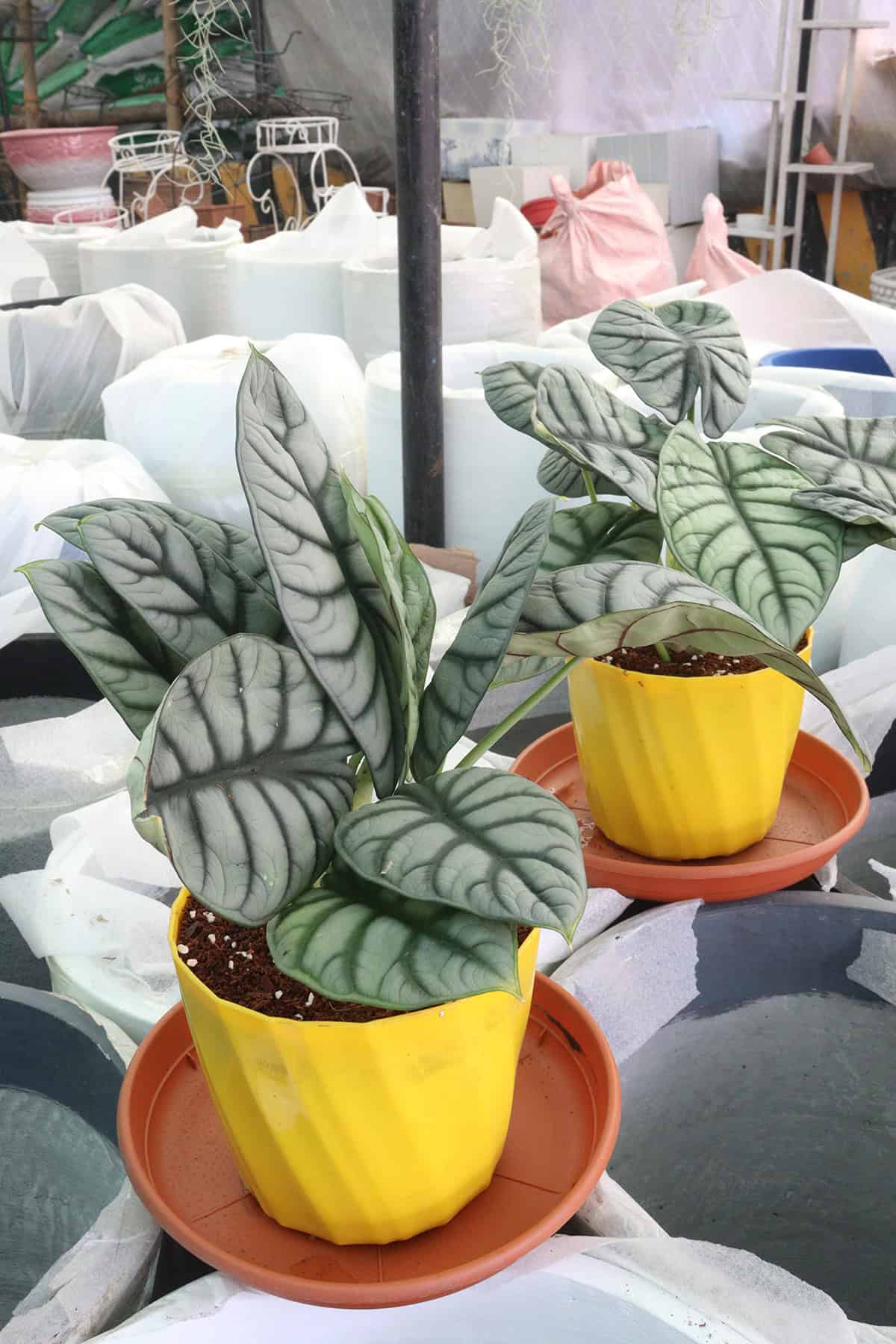
A pot with drainage holes is non-negotiable. The right mix—peat or coco coir, perlite, and orchid bark—keeps things light and airy.
Let the plant get a bit cozy in its pot, but don’t let roots circle endlessly. Repot every year or two, ideally in early spring before growth kicks in. Go up just one pot size—oversized pots hold too much water.
Water the day before repotting, then gently ease the plant out. Set the root ball just below the rim in fresh mix and water thoroughly to settle everything in.
Pruning
Trimming is more about maintenance than shaping. Snip off any leaves that turn yellow, brown, or go soft—this keeps energy focused on healthy growth and helps avoid pests.
Sharp, clean scissors or pruning shears are best. A quick wipe with alcohol before and after prevents spreading disease. Cut close to the soil without nicking nearby stems.
Don’t go overboard—removing one or two leaves at a time is plenty, unless the plant’s really struggling. Slightly blemished but otherwise healthy leaves can stay. If the base gets crowded, take out the oldest leaf first for a tidier look.
Propagation
Division is the way to go, and early spring’s the best time. Look for a mature plant with several stems. Give it a drink the day before you plan to divide.
Carefully tip the plant out and brush off the soil. Find natural clumps or offshoots with their own roots. Use a clean, sharp knife to separate, making sure each piece has at least one stem and a decent root system.
Pot each section in a small container with well-draining mix. Keep the soil just moist—never soggy—and place in bright, indirect light. Warmth and high humidity help new roots settle in, so a nearby humidifier can make a difference.
Skip the fertilizer for a few weeks. Once new leaves start to show, you can ease back into your usual routine.
Common Problems
Yellowing leaves? That’s usually a sign you’ve gone overboard with water, or the soil’s holding on to too much moisture. Roots start to rot—dark, mushy, and with a smell you won’t forget.
Brown, crispy edges scream for more humidity. Cold drafts can also cause slow growth or leaf damage. Warm, moist air is the fix.
Pests like spider mites, mealybugs, and aphids love stressed plants. Check under leaves and along stems—catching them early with insecticidal soap is way easier than battling a full-blown infestation.
Light makes or breaks this plant’s looks. Too little, and leaves shrink, colors dull. With strong, indirect light, you’ll see bold contrast and sturdy, sculpted foliage.
Varieties
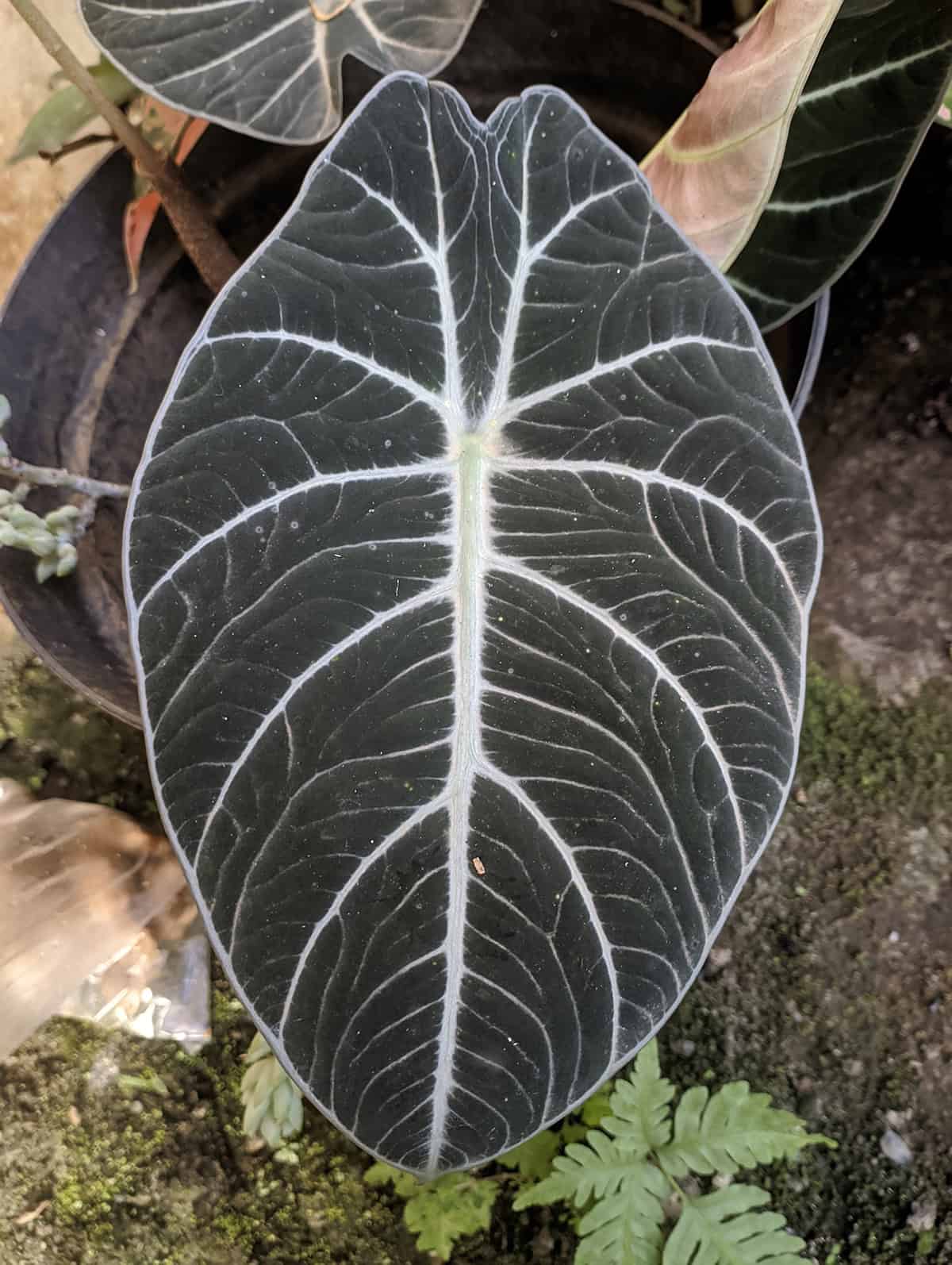
Tucked onto a shelf or squeezed into a cozy corner, Alocasia reginula ‘Black Velvet’ brings a moody vibe with its nearly black, velvety leaves etched in sharp silver veins. The leaves feel almost plush, a bit rugged to the touch—definitely not your average houseplant texture.
For those after a bit more drama, Alocasia baginda ‘Dragon Scale’ stands out with its deep green, armored foliage. The surface is tough, almost sculptural, with a raised, scale-like design that catches the light in odd ways. Collectors often go for this one to shake up the look of their plant gang.
A softer touch comes from Alocasia baginda ‘Pink Dragon’. Pale pink stems lift gentle green leaves, and the whole thing stretches up a little taller than Silver Dragon. It gives off a breezier, less dense impression, which can be a nice change if you’re not into the heavy, clustered look.
Go bigger and you’ll run into plants like Alocasia sanderiana and some of the reginula crowd, throwing out bold veins and shadowy leaves. Indoors, they’ll sometimes push past a foot or two if you keep them warm and humid with just the right light. Not the easiest roommates, but they do make a statement.
If you’re somewhere warm and want to go all out, elephant ear cousins in the Alocasia family can get downright massive, those shield-shaped leaves sprawling wherever they can. Just double-check how big they’ll get—some of these giants will swallow up a small room without warning.