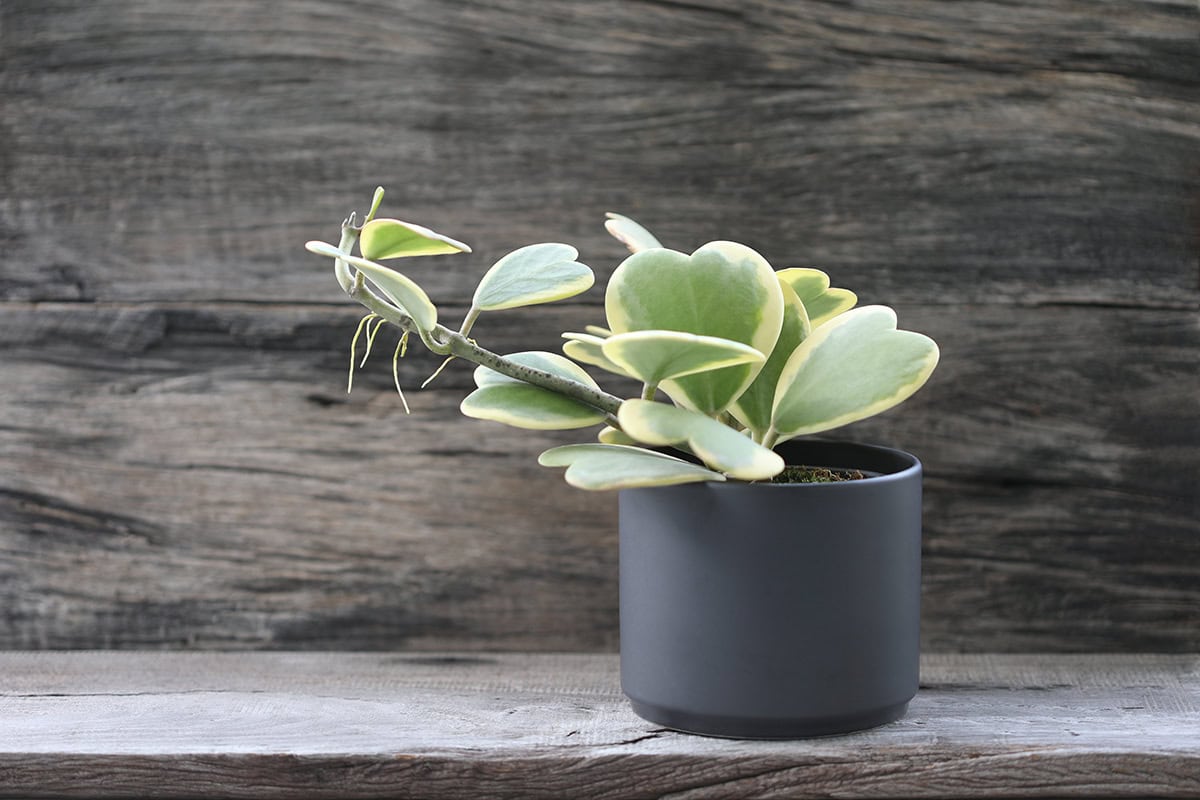
Thick, heart-shaped leaves and clusters of delicate, starry blooms—Hoya kerrii (the sweetheart plant) brings a bit of whimsy and charm to any indoor setup. It’s not a fast mover, but with a little patience and some basic attention, this vine can stick around for ages. You’ll keep Hoya kerrii happy with bright, indirect light, a loose, well-drained soil mix, careful watering, and a spot that’s warm and a bit humid.
This isn’t about complicated routines. Just a few key habits—light, drainage, and not drowning the roots—make all the difference. You’ll find tips here for feeding, repotting, pruning, and easy propagation, plus ways to spot trouble before it gets out of hand. Varieties and growth habits can surprise you, so it’s worth knowing what to expect.
Table of Contents
Quick Care Summary
No need to overthink it—Hoya kerrii does best when you stick to the basics. Most important? Don’t overwater, and give it plenty of light.
- Light: Loves bright, indirect rays. A gentle splash of morning sun is fine, but keep it out of the harsh afternoon glare.
- Soil: Needs quick drainage. Cactus mix or potting soil with perlite/orchid bark works well.
- Watering: Let at least half the soil dry out before watering again. Cut back in winter.
- Temperature: 65–85°F is the sweet spot. Keep it away from cold drafts or chilly windows.
- Humidity: Average room levels are fine, but a bit more humidity can boost growth.
- Fertilizer: During spring and summer, a diluted balanced feed once a month is enough. Skip it in winter.
- Propagation: Take a stem cutting with a node and root in water or soil.
Those thick leaves store water, so it’s easy to overdo it with the watering can. Flowers only show up on mature plants, and they’ll need plenty of light to make an appearance.
If you want to plan ahead or just geek out on plant details, here’s what you’re dealing with:
- Botanical name: Hoya kerrii
- Common names: Sweetheart hoya, Lucky heart plant, Valentine hoya
- Plant type: Evergreen, vining perennial
- Mature size: Indoors, vines can stretch 10–13 feet with the right support
- Growth rate: Slow
- Toxicity: Mildly toxic if eaten; best to keep away from pets and kids
- Native region: Southeast Asia
Plant Overview
That unmistakable heart-shaped leaf is hard to miss. While you’ll often see Hoya kerrii sold as a single rooted leaf in a tiny pot, a full-grown plant gets long, winding vines and clusters of star-like flowers. With the right care, it’s the kind of plant you’ll keep around for decades.
Originally from Southeast Asia, this dogbane family member is a semi-succulent evergreen. Those fleshy leaves act like mini water tanks, so it won’t punish you for forgetting a watering or two.
Plant Details:
- Botanical name: Hoya kerrii
- Common names: Sweetheart plant, Valentine hoya, Wax heart
- Plant type: Evergreen perennial, semi-succulent vine
- Mature size: Can reach 6–13 feet indoors if you give it support
- Growth rate: Slow
- Toxicity: Mildly toxic to pets if nibbled
- Native region: Thailand, Laos, Cambodia, and neighboring areas
Trellis training gives you more control, but letting vines spill over a hanging pot works too. Compact roots make it easy to squeeze into tight corners. If you’re impatient, fair warning: growth is slow, so don’t expect a jungle overnight.
Quick Care Summary:
- Light: Needs plenty of bright, indirect light
- Soil: Favors a loose, well-aerated mix
- Water: Let the soil dry out between waterings
- Temperature: 65–80°F is ideal
- Humidity: Average to moderate
- Fertilizer: Use a balanced liquid feed while it’s growing
- Propagation: Use stem cuttings with a node
Light
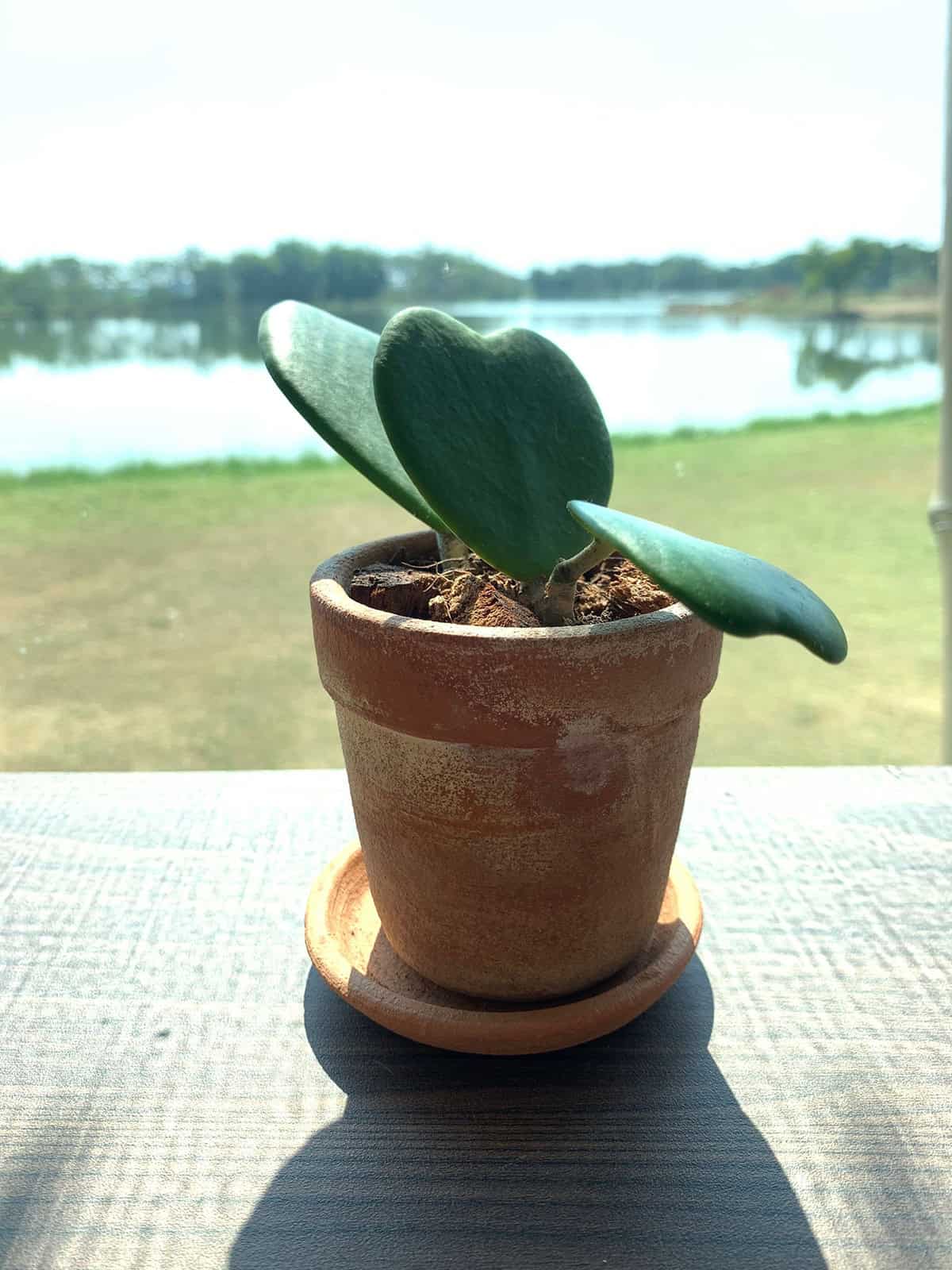
The mood in your room can change a lot depending on where you set this plant. Near an east or west window, it’ll get the gentle, indirect light it likes best. A south-facing window can work too, but only if you diffuse the sun with a sheer curtain—direct sun for hours can leave those thick leaves scorched and sad.
If it’s stuck in a dim corner, don’t expect much action. Growth slows, flowers are a distant dream, and the plant might get a bit leggy. Want blooms? Give it a few hours of good light daily, but keep that harsh afternoon sun at bay.
Grow lights can fill the gap if your place is short on sunlight. A full-spectrum bulb overhead, running 12–14 hours a day, keeps things moving. Rotate the pot every now and then so one side doesn’t hog all the rays. Watch for pale leaves (too much sun) or stretched stems (not enough).
Water
Those chunky leaves are like little reservoirs, which means this plant forgives a missed watering far more than a soggy pot. Wait until the soil feels bone dry before you even think about reaching for the watering can. Too much moisture is a fast track to root rot.
Lift the pot if you’re unsure—light means dry, heavy means hold off. Or just poke a finger a couple inches down; if it’s cool or damp, give it more time.
When you do water, go for it: soak the soil until water runs from the bottom, then dump any excess from the saucer. In the colder months, cut back even more—growth slows and the roots just don’t need as much.
A single-leaf cutting barely drinks, but a mature, vining plant will use up water faster in bright, warm rooms. Adjust as needed. Deep, thorough watering less often is much better than tiny sips every few days. Overwatering is the most common killer here—yellow, mushy leaves are your warning.
Soil
Grabbing just any old potting mix won’t do. Hoya kerrii roots need air, and sitting in soggy, dense soil is a recipe for disaster. Fast-draining is the goal—think cactus or succulent mix, maybe with a handful of orchid bark or chunky perlite tossed in for good measure.
Dense, peaty blends hold too much water and suffocate the roots. If you’re stuck with regular potting soil, mix in plenty of perlite or pumice to lighten things up. Those thick leaves already store water, so heavy soil is overkill.
Always pick a pot with decent drainage holes. Terracotta dries out quicker than plastic, which can help if you’re a heavy-handed waterer. Let the top few inches get dry before watering again—roots need to breathe.
Temperature & Humidity
Warmth is non-negotiable for this plant. Anything between 65°F and 80°F (18°C to 27°C) keeps it comfortable. Chilly drafts or nights below 60°F (16°C) will stress it out—leaves might get spotty, and growth pretty much stalls. If you summer your plants outdoors, don’t forget to bring them in before things cool off at night.
Humidity isn’t a dealbreaker, but the plant does appreciate it. Most homes are fine, but if your air is bone dry, leaves might shrivel or new growth could slow. Kitchens and bathrooms are usually more humid, or just run a small humidifier nearby if needed.
Fertilizer
Feeding isn’t a major chore—this plant grows slowly, and too much fertilizer does more harm than good. During spring and summer, a balanced, water-soluble fertilizer (something like 10-10-10 or 20-20-20) at half strength every month or so is plenty.
Make sure the soil isn’t bone dry before feeding—watering first helps avoid root burn. Don’t bother fertilizing in the fall or winter; the plant isn’t using much and extra nutrients just build up as salts.
Every few months, flush the pot with plain water to clear out any fertilizer residue. Overfeeding leads to weak, floppy growth and unhappy roots.
Potting & Repotting
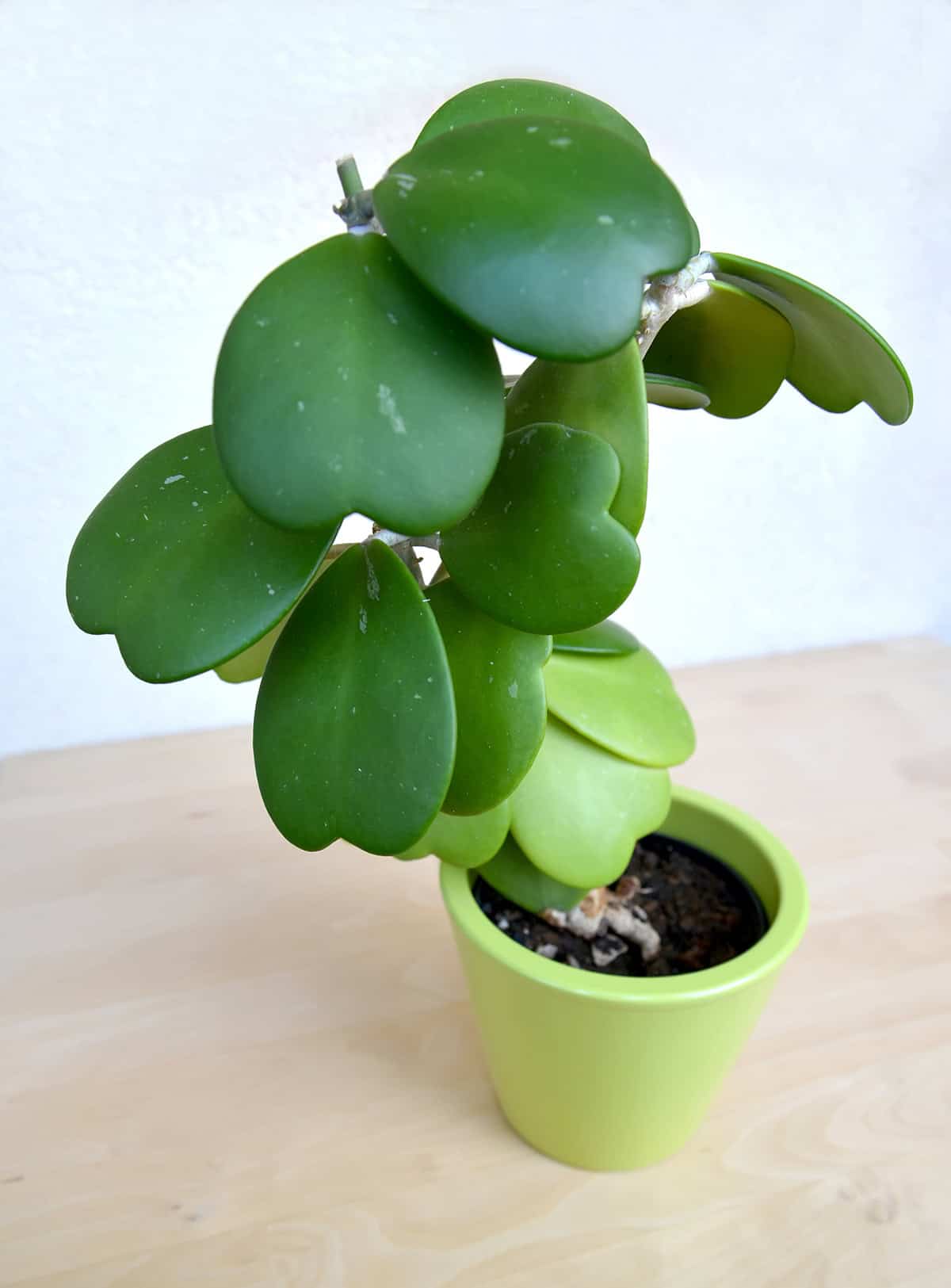
A snug pot is your friend—bigger isn’t better here. Hoya kerrii likes its roots a bit crowded, which actually helps prevent overwatering issues. Drainage holes are a must.
Stick to a gritty, airy mix—cactus soil with some bark or perlite mixed in does the trick. Heavy, soggy soil is a no-go.
Repotting every couple of years is enough, usually in spring when roots start to fill the pot or poke through the drainage holes. Water a day before moving it, then gently shift the plant into a slightly larger pot with fresh mix. Don’t bury it deeper than before.
After repotting, give it a few days before watering again—roots need time to recover. Hold off on fertilizer for a few weeks, and keep it in bright, indirect light.
Pruning
You won’t spend much time with the shears—this plant is naturally tidy and slow to sprawl. Only trim when vines get unruly or look bare. Always use clean, sharp scissors.
When you do prune, cut just above a leaf node to encourage branching. Leave those little stubby spurs (peduncles) alone—they’re where flowers will pop up down the line.
Snip off yellowed or damaged leaves as soon as you see them. Light shaping is fine, but avoid hacking back too much at once; recovery takes a while.
Propagation
If you’re tempted to root that single heart-shaped leaf, don’t get your hopes up—it’ll probably just sit there, green but never growing. For a real new plant, you need a stem cutting with at least one node and a couple leaves.
Use a sterile blade to cut just below the node. Pop the cutting in a moist, airy mix or a jar of water, making sure the node stays under the surface. Keep things slightly moist (not soggy) and warm, with good light.
Roots usually show up in a few weeks if the plant is actively growing. Once they’re an inch or two long, pot up into soil. Skip fertilizer for a while, and keep humidity moderate. New vines might take their sweet time, but patience pays off.
Common Problems
Most issues trace back to overwatering—yellow, mushy leaves, sudden leaf drop, or even root rot if things get bad. Always let the soil dry out before watering again.
Too little light slows things down—vines barely grow, leaves lose their shine, and flowers are unlikely. Move the plant closer to a window if it looks dull or stretched.
Pests like mealybugs, spider mites, and scale can show up out of nowhere. Look for sticky residue, webbing, or tiny white clusters. Wipe leaves with a damp cloth and treat early with insecticidal soap.
Temperature swings and cold nights can trigger leaf drop. Keep your plant somewhere stable, above 60°F, for best results.
Confused about that single-leaf plant that never vines? It probably doesn’t have a node—only cuttings with nodes can grow into full, trailing plants.
Varieties
In nurseries and plant shops, you’ll spot a few different takes on Hoya kerrii. The classic version? Those chunky, heart-shaped leaves in solid green, eventually trailing out long vines. Give it time and maybe you’ll catch those pale pink and white flowers with their moody dark centers. For anyone who likes plants that mostly mind their own business, this one’s a no-brainer.
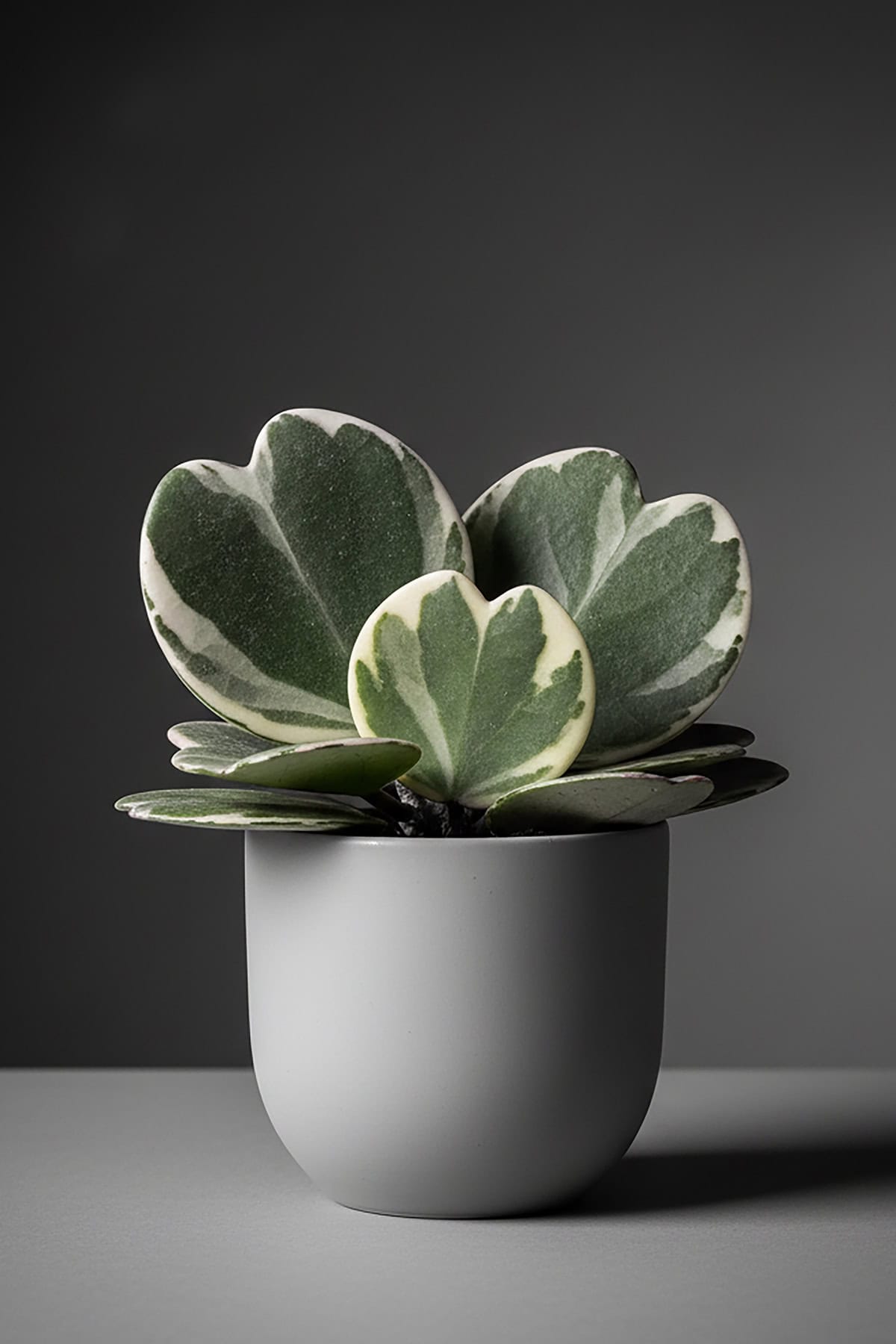
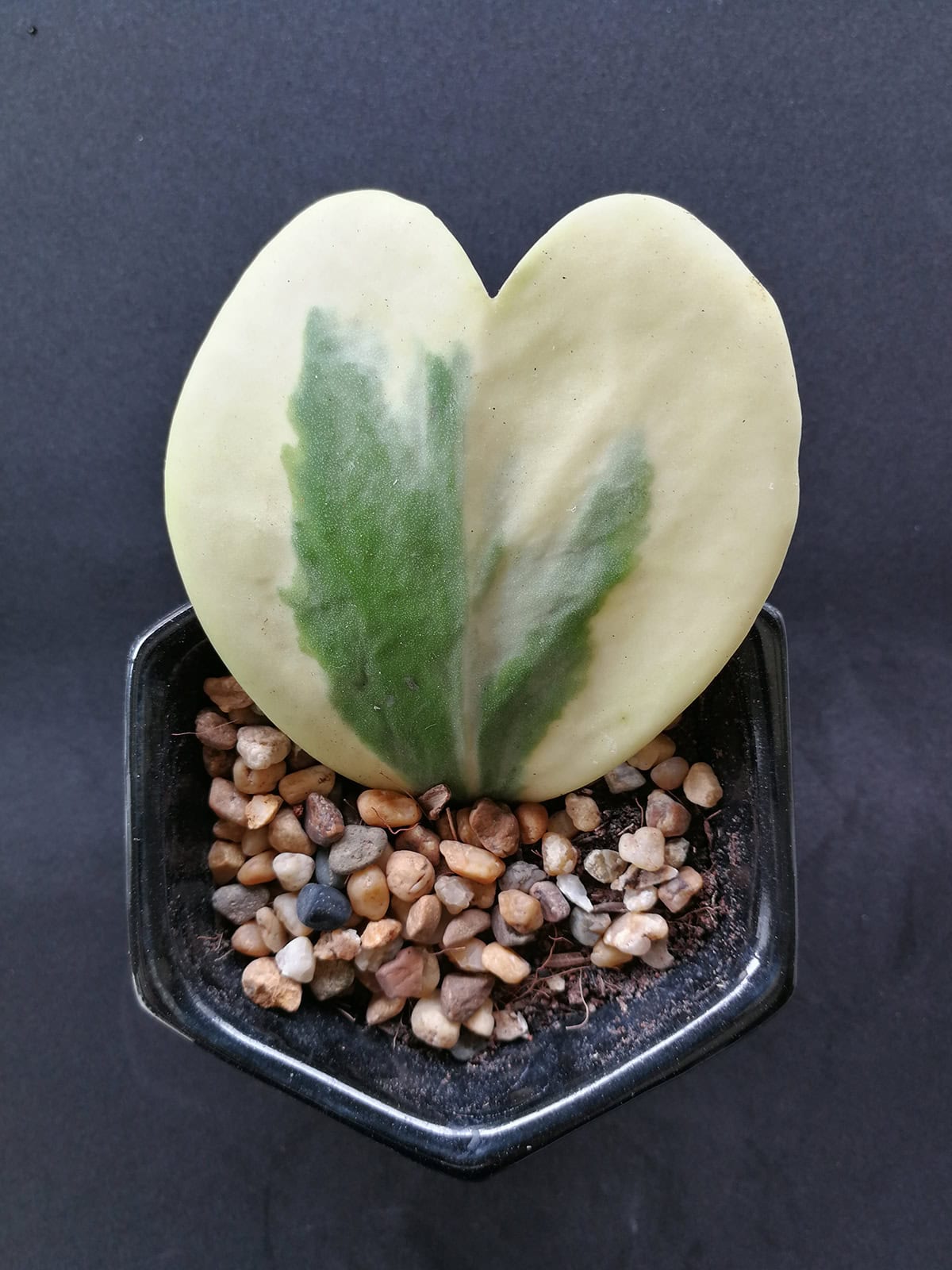
Some folks lean toward the variegated types—honestly, they’re hard to ignore. Creamy or yellow edges, sometimes with irregular splashes right through the middle, make them pop. But here’s the catch: if you don’t give them enough bright, indirect light, all that color drama just kind of washes out, and you’ll notice growth stalling too.
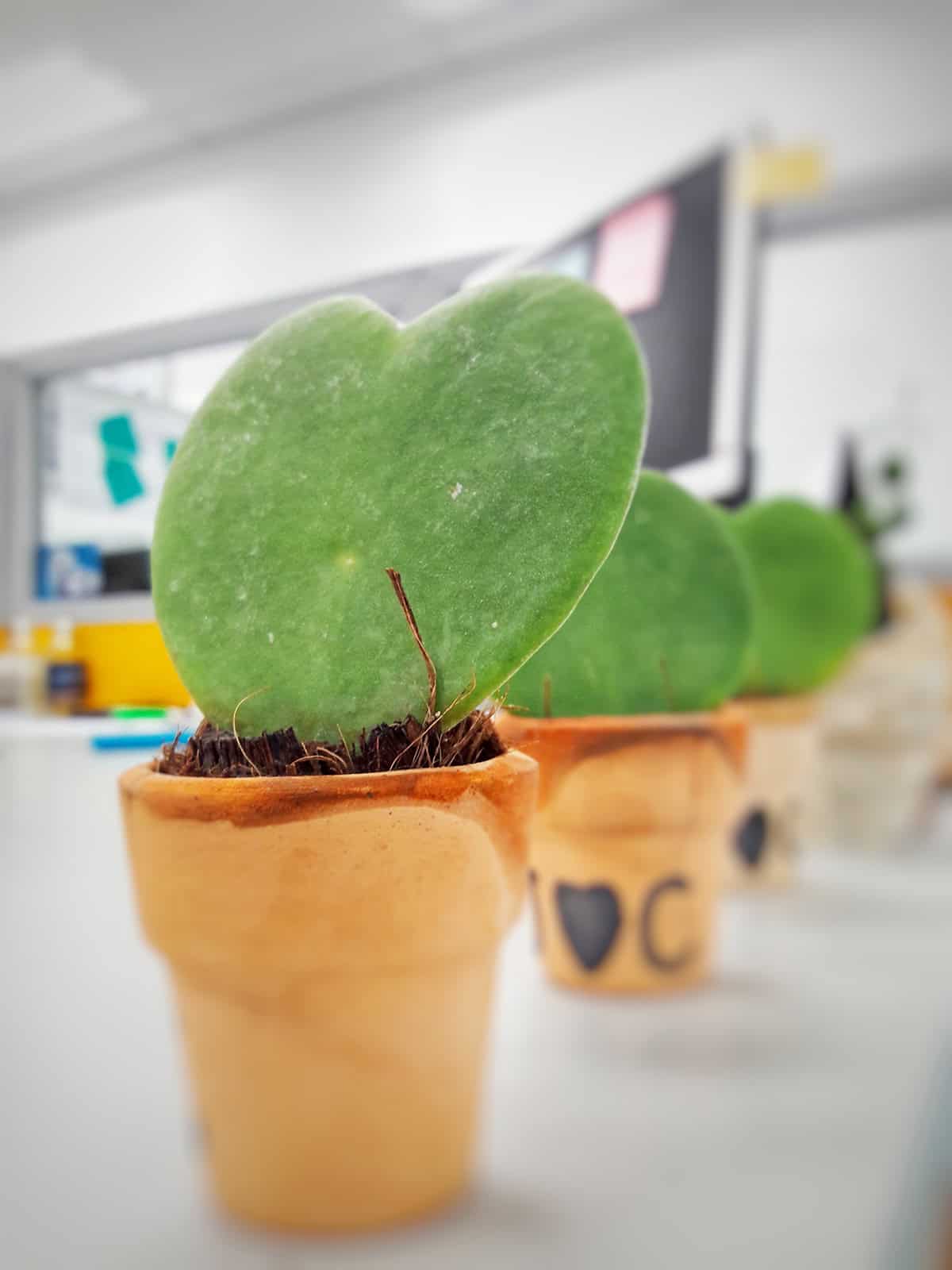
Then there are those single-leaf cuties, popping up everywhere around Valentine’s Day, often called Sweetheart Hoya or Lucky Heart. They’re usually just one rooted leaf—no node, no future vines. The leaf itself can stick around for ages, but if you’re hoping for a real, growing plant with stems and all, you’ll want to look for one that’s already pushing out some actual growth.