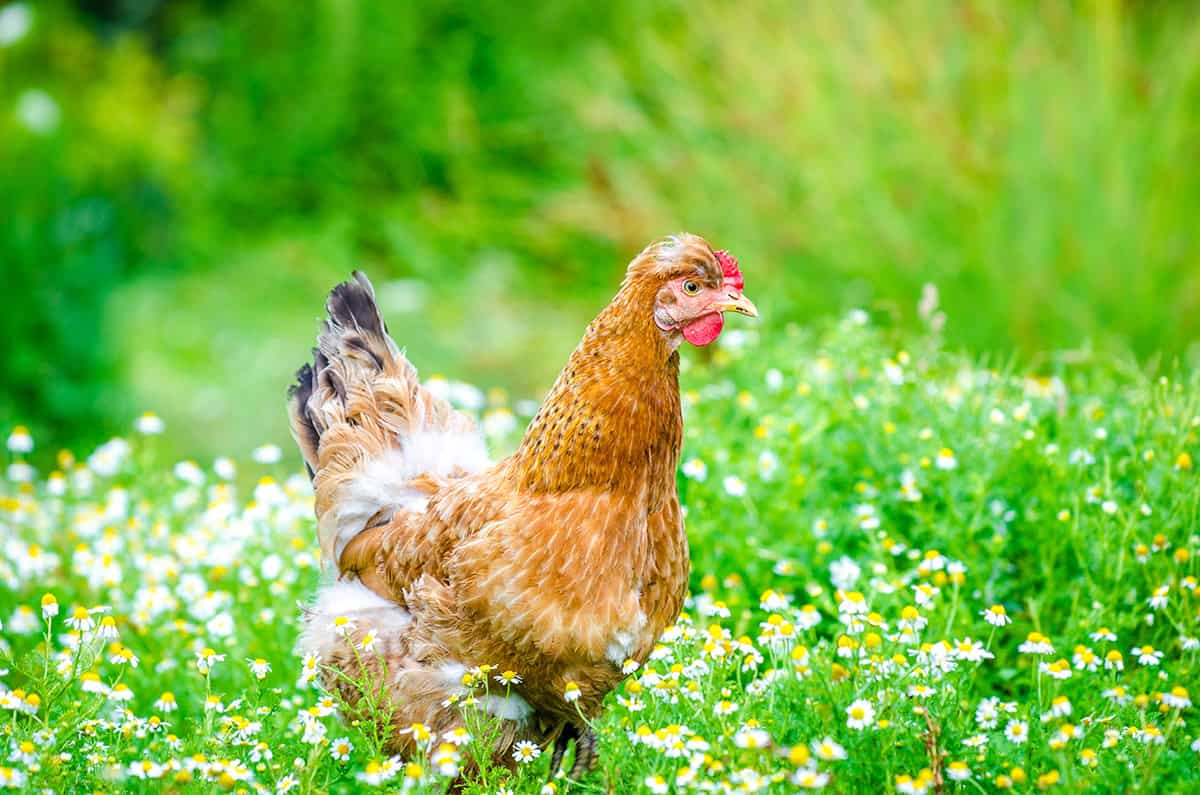
A chicken run doesn’t have to be all mud and wire. Add the right plants, and suddenly you’ve got shade, snacks, pest control, and even a prettier view. These 32 chicken-friendly picks are more than decorative—they’re practical and low-fuss too.
Table of Contents
Edible & Nutritious Plants
Incorporating certain plants in a chicken run can enhance the nutrition of your flock. Each plant offers specific benefits and can improve the overall health and well-being of your chickens.
Clover

Muddy, worn-down spots? Clover takes that in stride, forming a dense mat that stands up to constant chicken traffic. It’s low-growing and tough, so you won’t be reseeding every month.
Protein, calcium, and trace minerals are packed into those leaves and stems. Birds dig for bugs underneath, too. White clover is short and handles close grazing; red clover shoots up taller but needs a break now and then to recover.
Bonus: clover fixes nitrogen, so your soil gets a fertility bump with zero extra effort.
Dandelion
Sure, some people yank these out, but chickens are all about dandelion greens. The leaves are loaded with calcium, potassium, and vitamins A and K—solid nutrition.
They’ll go for the jagged leaves first, then maybe the flowers or stems. Deep roots mean dandelions pull up nutrients that other plants miss. Let them pop up in spots, and if your flock mows them down, just rotate access so they bounce back.
Skip any from sprayed lawns. Only use dandelions from chemical-free areas.
Alfalfa
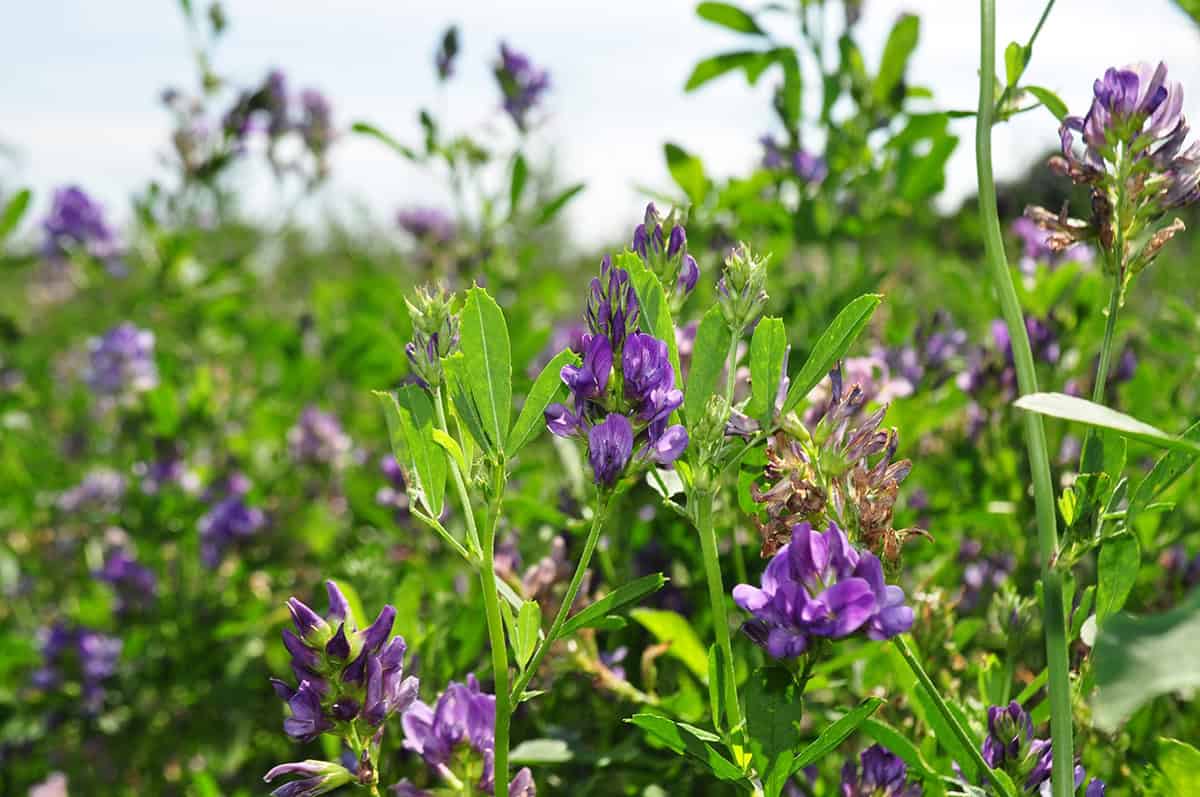
High protein and fiber give alfalfa an edge. Chickens like the tender new shoots, but once stems toughen up, they’re less interested, so keep it trimmed or grazed before it flowers.
It handles drought once those roots are set, but young plants want steady moisture and decent drainage. If your soil’s heavy clay, alfalfa might struggle.
In tighter runs, you might grow it in a protected patch and bring cuttings to your birds—helps avoid total destruction and keeps the patch going longer.
Sorrel
Bright, tangy leaves show up early each year, and chickens seem to appreciate the change of flavor. Sorrel sticks around for years, coming back from the same root system every spring.
Vitamin C and other nutrients are in the leaves, but don’t make it the only green—they’re sharp-tasting because of oxalic acid. Tuck sorrel along the edge of the run, out of reach of digging feet until it’s well rooted.
Plantain (Plantago Major)
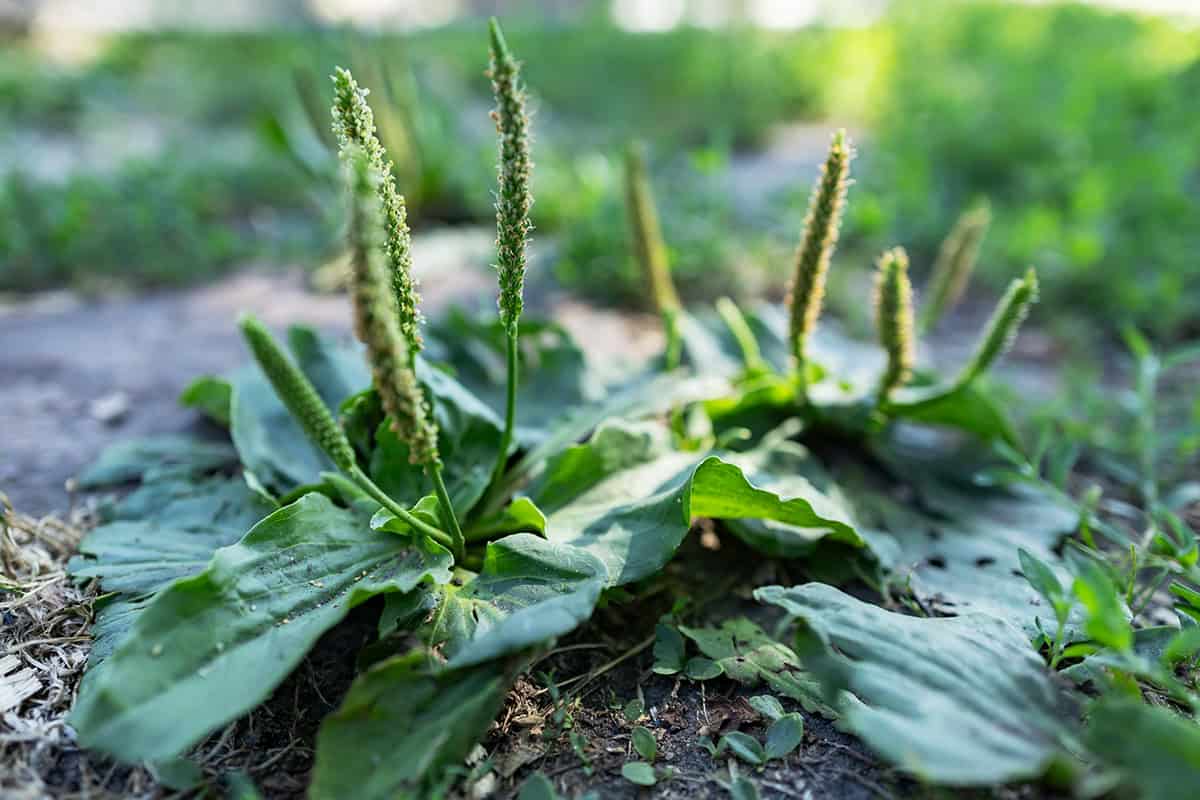
Compacted, well-trodden ground? Plantain doesn’t mind. You’ll see its broad leaves popping up in paths and tough spots.
Chickens munch on leaves and seed heads, picking up fiber and a bit of nutrition. The plant hugs the ground, so roots rarely get yanked out even with heavy pecking.
Purslane
Hot, dry, and dusty? Purslane thrives where many other greens wilt. Its thick, succulent leaves spread across the ground, covering soil and holding moisture.
Omega-3s, vitamins A and E—those are packed in. Birds eat the stems and leaves, especially when the weather heats up.
Purslane seeds itself everywhere, so leave a few patches to go to seed. If it starts crowding out other plants, pull some and toss them to your flock—they’ll eat them right away, since the leaves wilt fast.
Sweet Potato Vines
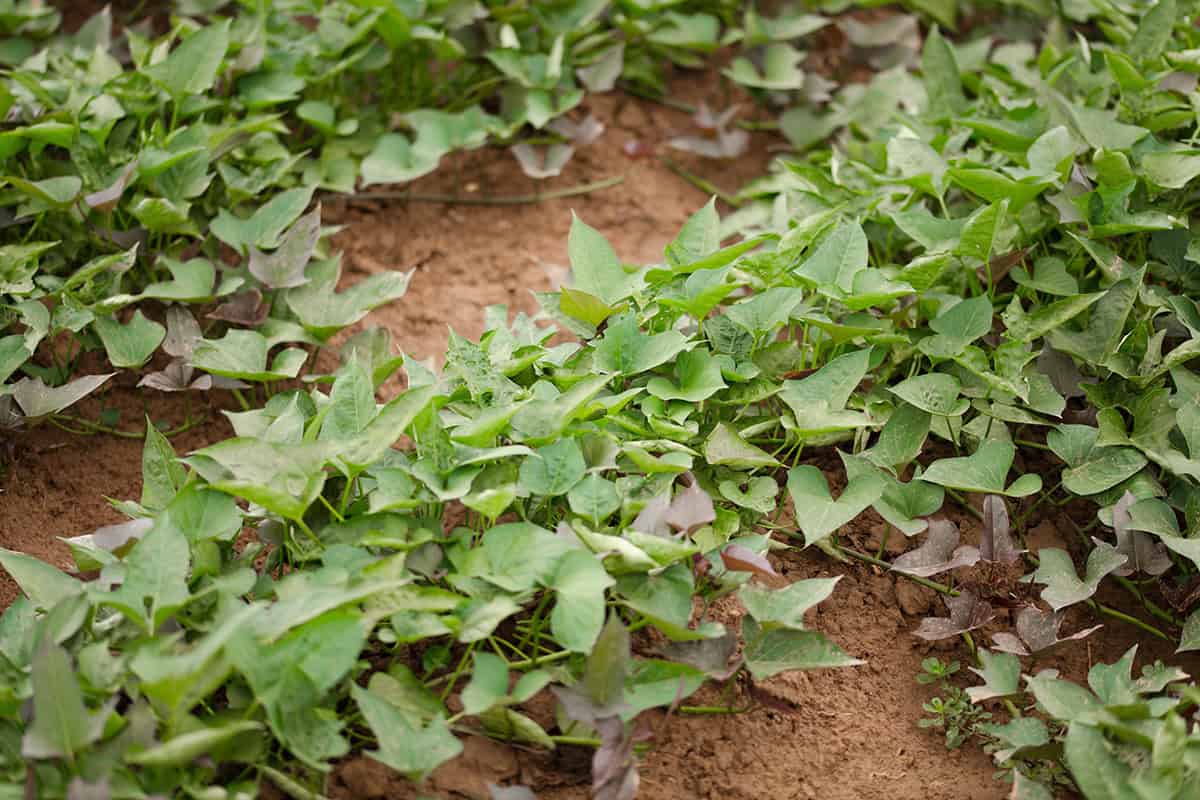
When summer’s in full swing, sweet potato vines explode with leafy growth. Chickens love the greens, which are full of fiber and vitamins.
Plant slips outside the run and thread vines through the fence. Birds will graze the tips but can’t dig up the roots. In hotter climates, these vines quickly shade bare ground, cutting down on dust and erosion.
If you’re lucky with your season, dig up the tubers at the end—cooked sweet potatoes make a great treat in winter.
Turnip Greens
Both the leafy tops and the roots have a place in the run. Chickens go for the greens first—those are rich in calcium and vitamins.
Sow seeds early or late in the year. Cool weather keeps leaves tender and slows down bolting. Wait until the plants are about six inches tall before letting birds at them, and move the flock around so the patch isn’t stripped bare.
Medicinal & Health-Boosting Herbs
Some herbs do more than flavor your dinner—they help keep chickens healthy and runs more comfortable. They tolerate rough treatment, repel pests, and bring a little order to the chaos of a busy flock. Tuck them along fences, near dust baths, or in corners where they’re less likely to be dug up.
Comfrey
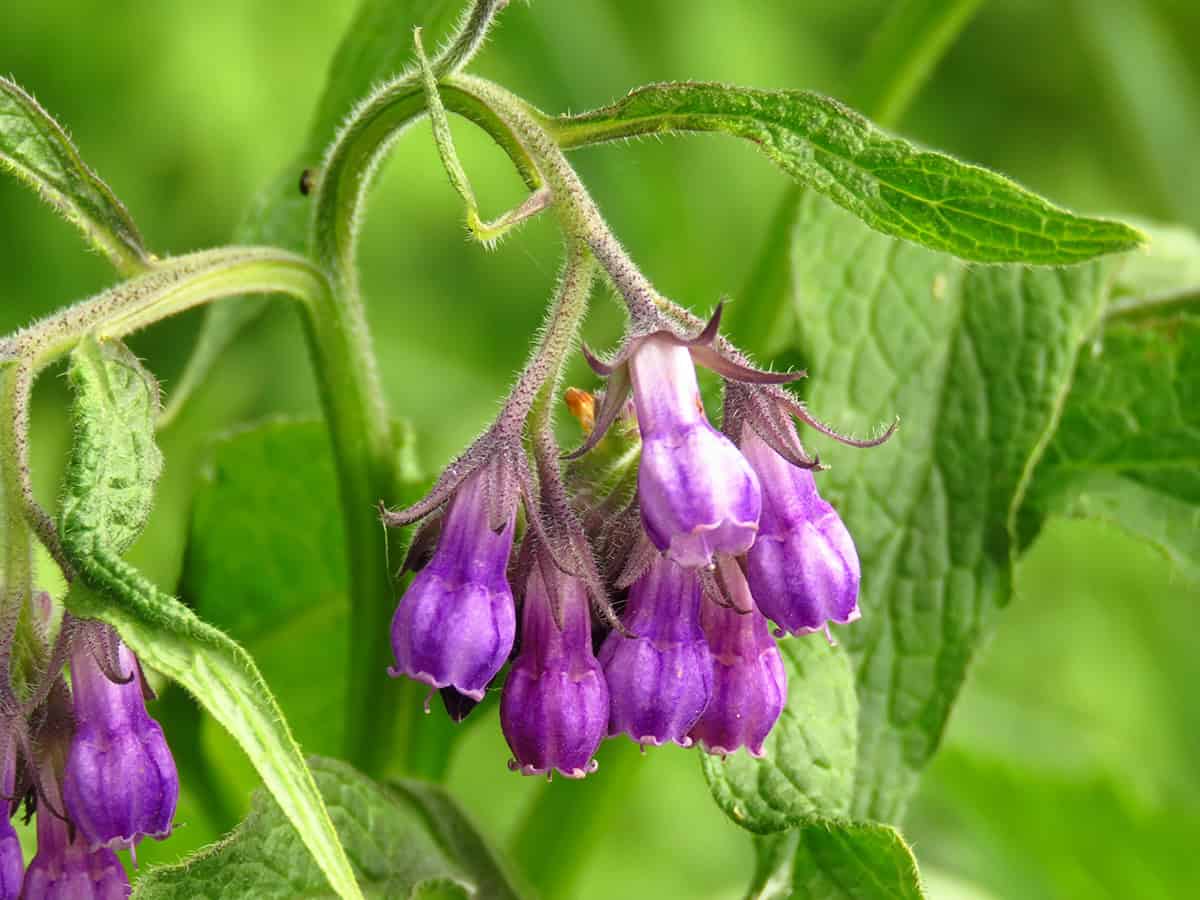
Comfrey’s broad leaves and deep roots make it a powerhouse. You can chop the lush foliage several times a season—feed it fresh or wilted. It’s loaded with protein and minerals, good for feathers and eggs.
As leaves break down, they add nutrients to the soil, and the deep taproot keeps pulling up more. Some folks even use chopped comfrey as mulch to keep dust down.
Chickens love young leaves, so new plants need a bit of protection—wire cages work until roots anchor.
Mint
That unmistakable aroma? Mint’s claim to fame. It’s great for keeping flies and mosquitoes at bay, especially in tight spots. Crush a few leaves and the scent gets even stronger—handy near coop doors or nesting areas.
Birds snack on both fresh and dried stems. Hanging bundles inside the coop freshens the air, and even after heavy use, mint bounces right back.
Lemon Balm
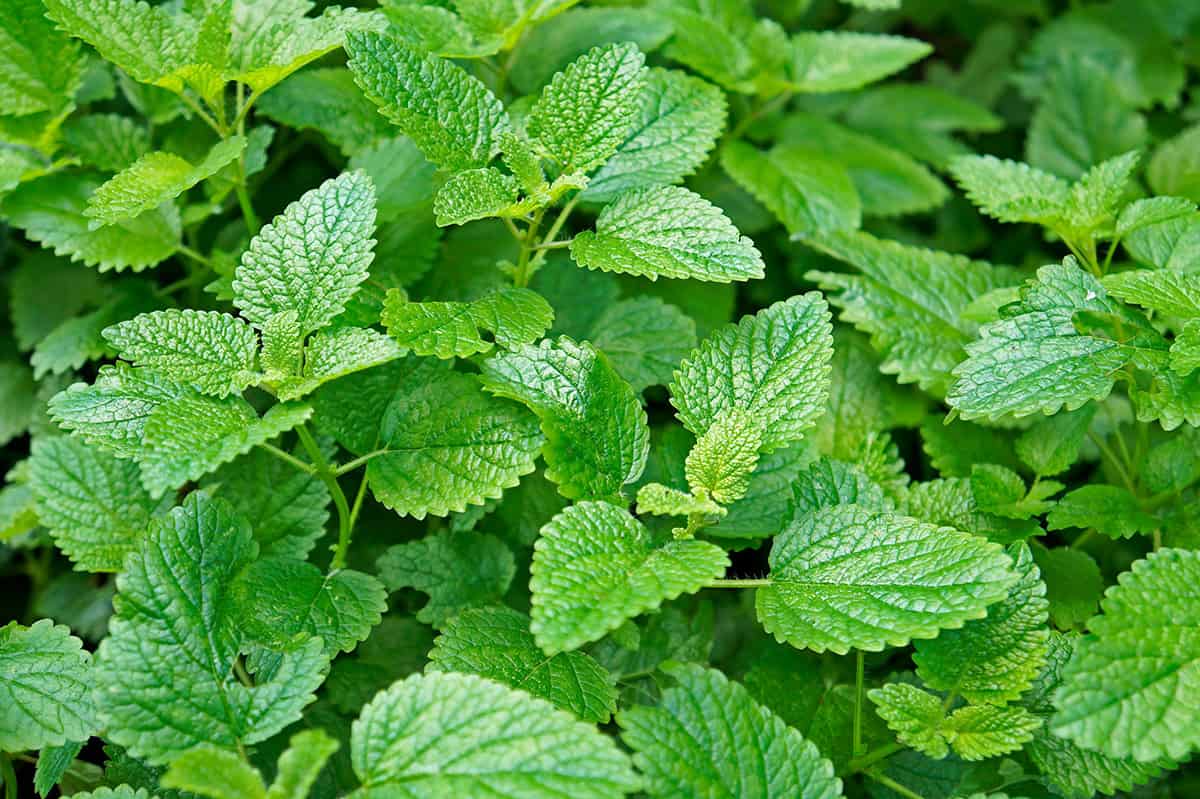
Soft, citrus-scented leaves give lemon balm a gentle vibe. It’s especially nice near feeders or waterers, where flies and gnats like to gather. The scent gets stronger when scratched or bruised.
Some keepers swear by its calming effect—mixing chopped leaves into feed during stressful times. It likes sun but handles a little shade, and young plants need a bit of time to settle in before facing the chickens. Trim regularly or it’ll seed itself everywhere.
Lavender
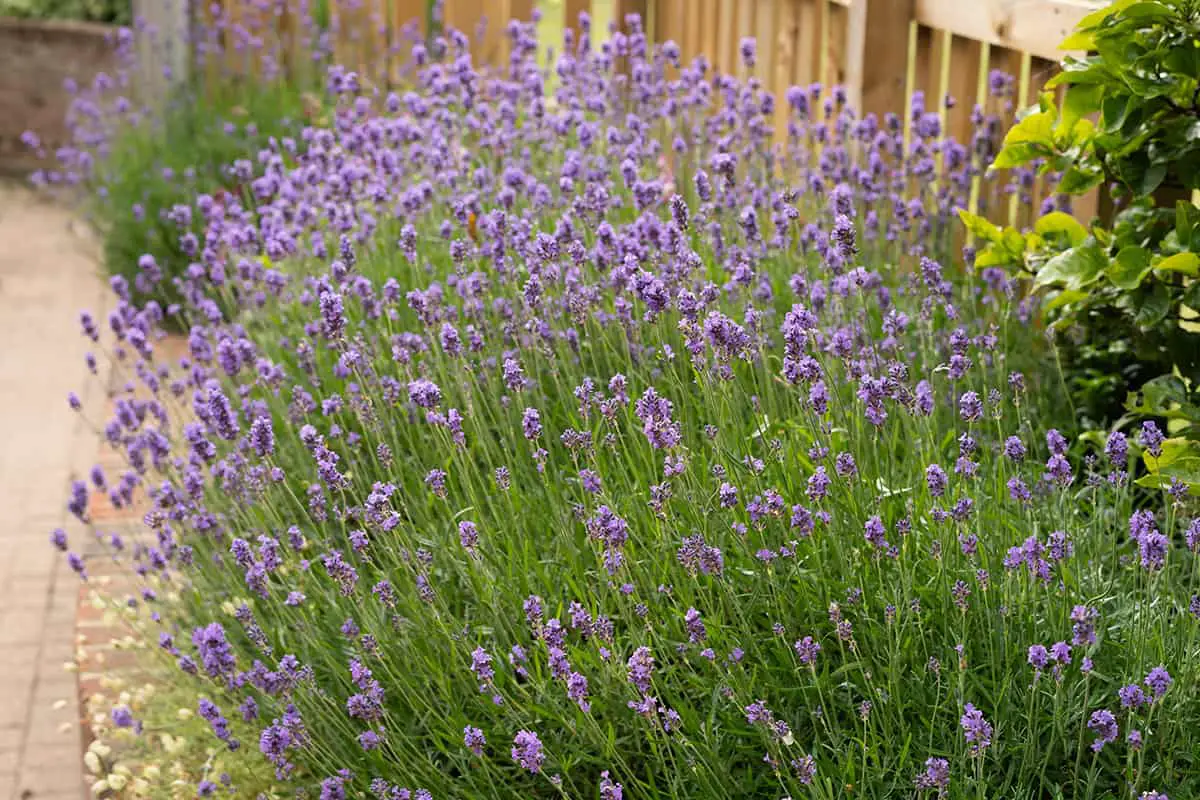
Lavender brings a lovely scent and serves as an excellent relaxant for chickens. Its calming properties can reduce stress within the flock, promoting a more harmonious environment. Additionally, lavender can repel insects, providing a dual advantage of relaxation and safety. Grow lavender around the borders of your run to enjoy its benefits; the flowers can also be dried and added to nesting boxes to aid in calming broody hens.
Oregano
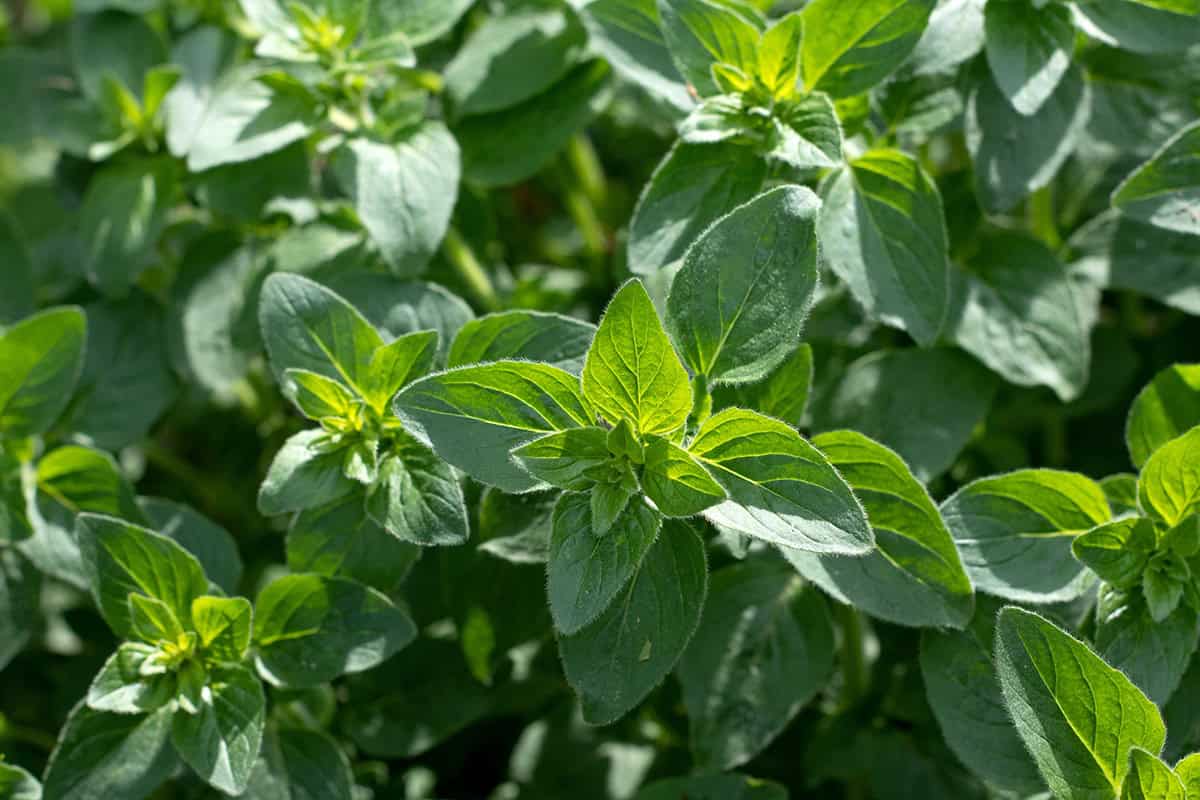
Oregano hangs tough through heat, poor soil, and constant pecking. Fresh sprigs are a favorite treat, and the plant’s natural oils are linked to gut health—some folks mix chopped leaves into feed during muggy spells.
Thick growth covers soil, cutting down on mud and discouraging bugs. The strong scent doesn’t hurt, either, especially in clusters.
Sage
Velvety gray leaves and a sturdy build let sage handle a bit of traffic. Near coop doors, its scent might help keep insects in check. It’s just one of several options for pest-prone spots.
Dry leaves crumble easily into nesting box bedding. Chickens pick at it but rarely do real damage to mature plants.
Yarrow
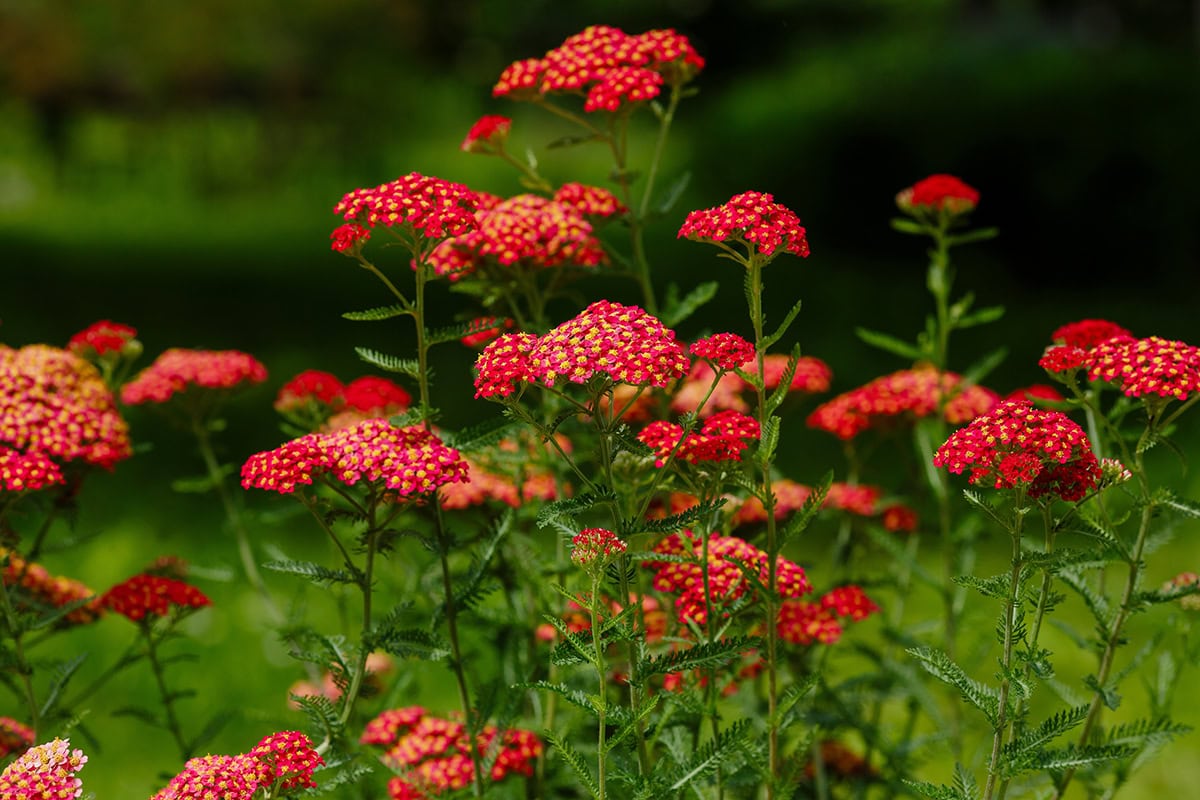
Feathery leaves and clusters of tiny flowers bring pollinators and resilience. Yarrow stands up to drought and helps loosen compacted soil, making it a solid choice for worn-out runs.
Birds peck at leaves and blooms, and some folks add bits to nesting material. Once rooted, it shrugs off scratching and minor abuse.
It spreads underground, so divide every few years if it gets unruly. Sunlight brings out the best growth and most flowers.
Hyssop
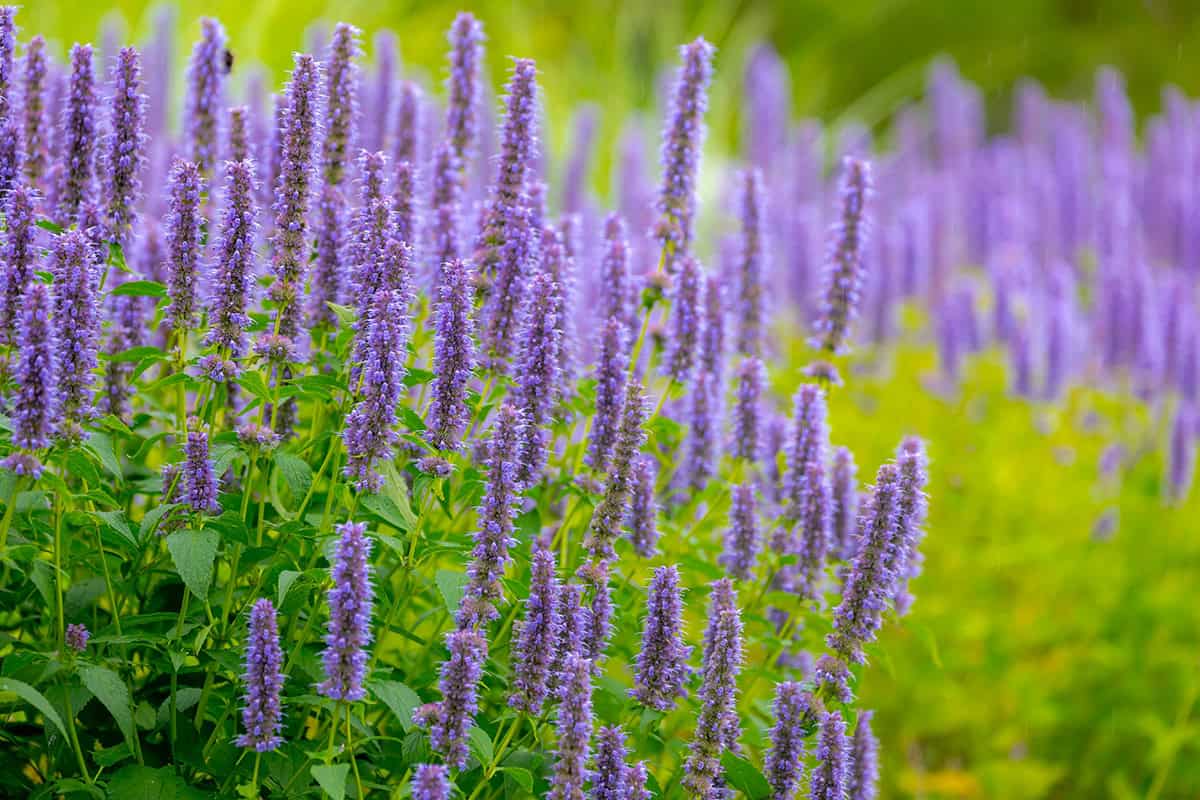
Hyssop has antimicrobial and anti-inflammatory properties. It supports respiratory health, which is crucial for a thriving flock. Incorporating hyssop into your chickens’ diet strengthens their defenses against common respiratory issues. Plant it in the garden for easy access and visual appeal. The comforting aroma also serves as a natural air freshener and contributes to a pleasant environment for both chickens and caretakers.
Forage & Enrichment Plants
In a chicken run, certain plants provide essential nutrients and stimulation for your flock. They enhance their environment and also improve the health of the birds. Below are some recommended options to consider.
Sunflower
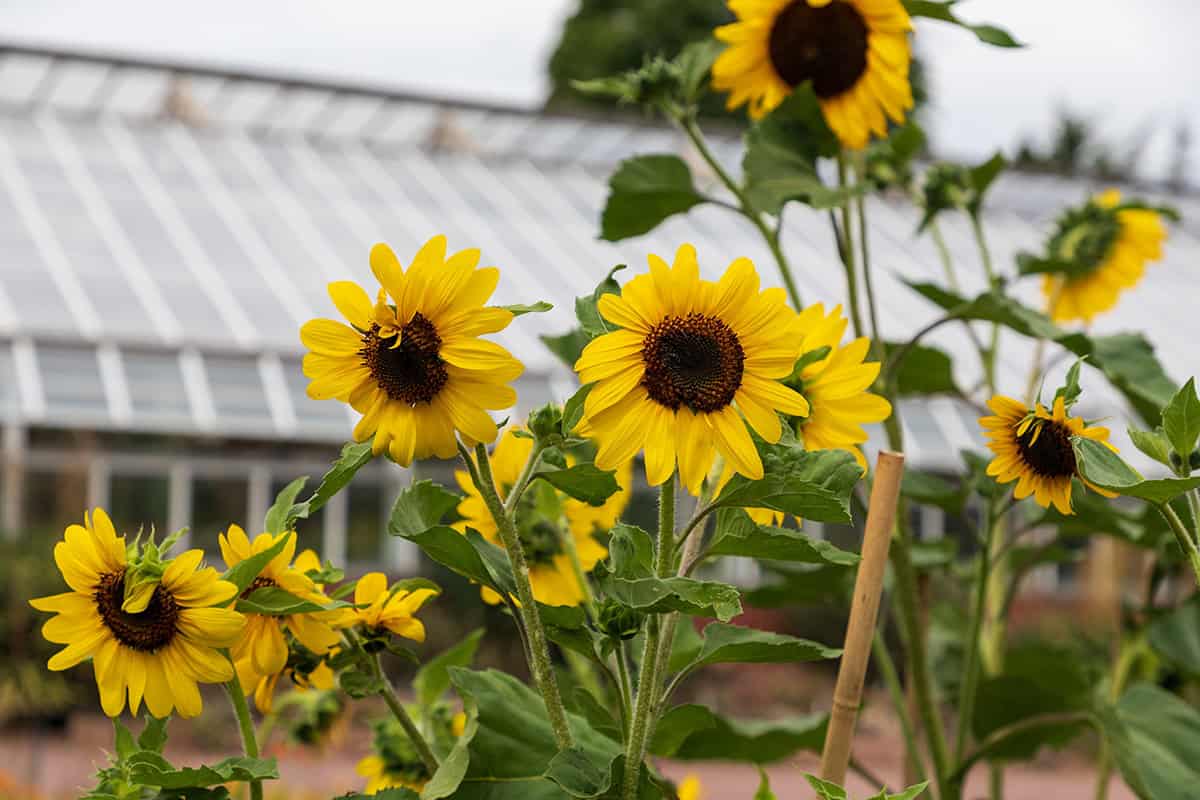
Big, bold sunflowers bring both visual impact and real value. Thick stems are less likely to snap, whether you go for standard or dwarf types.
Seeds are packed with energy, and birds also go for the petals and leaves. When heads mature, chop them off and hang them in the run—makes for a fun, controlled treat.
Give them space and sun, and protect seedlings until they’re tough enough to handle curious beaks. Sunflowers cast light shade, helping cool things down and spreading out the flock.
Calendula
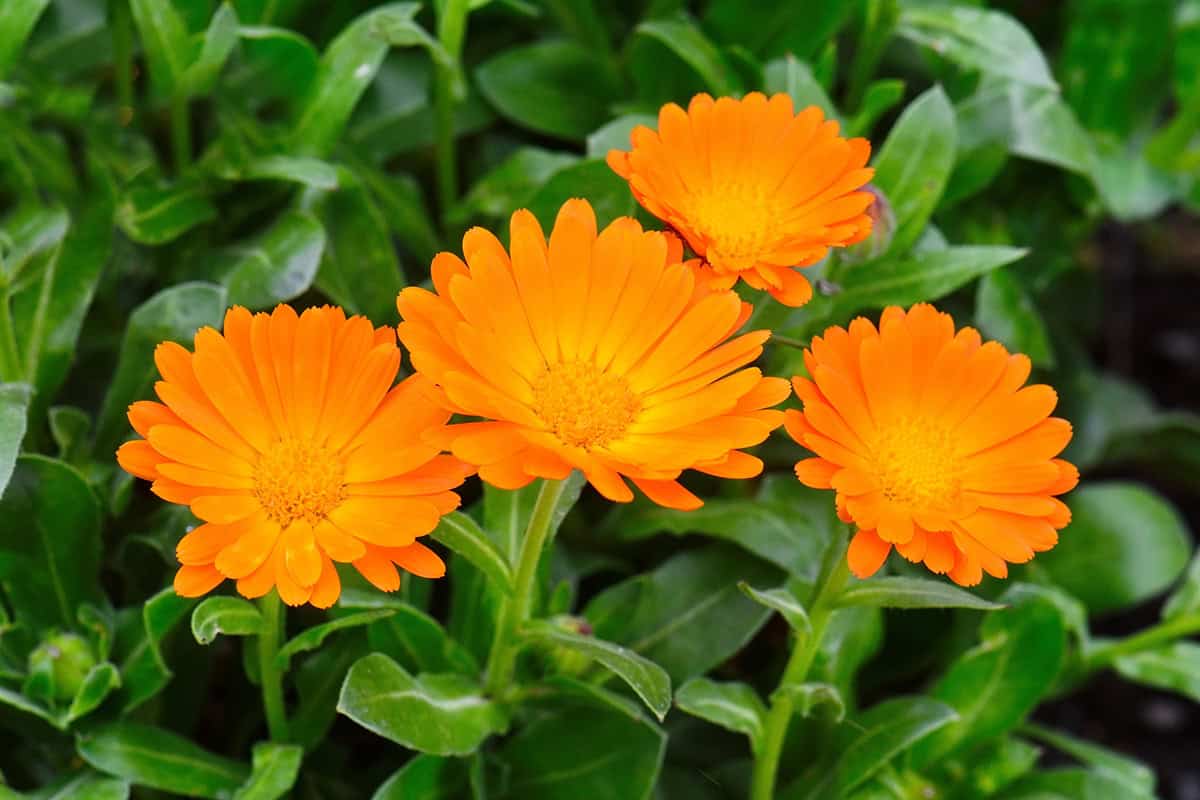
Vivid orange and yellow blooms of calendula brighten up the run and don’t mind a little abuse. Chickens peck the petals, which might even deepen yolk color—an added bonus.
Scatter calendula along the run’s edge. It’s unfussy about soil and shrugs off short dry spells. Deadhead for more blooms and let hens scratch around the base—mature plants bounce back easily.
In cold climates, treat it as an annual and reseed each spring. Dried petals mix into winter feed for a splash of color and a little variety when fresh greens are scarce.
Borage
Borage is another excellent choice for a chicken run. The plant is renowned for its blue star-shaped flowers and is packed with essential nutrients. Chickens are fond of its leaves, which contain calcium and potassium. Borage is easy to cultivate, flourishing in most types of soil. Its flowers attract pollinators, helping to support other plants in the garden. It can self-seed once established, requiring little intervention.
Chamomile
Chamomile hugs the ground, making it a decent choice for borders or right by the coop door. The fine leaves handle a bit of chicken traffic, more than most dainty herbs can manage.
Chickens might sample the flowers or leaves, but never in a way that threatens the patch. When stepped on, the plant releases a gentle scent—subtle, but it’s a nice touch around the run.
Want a longer-lasting patch? Roman chamomile’s perennial, while German grows as an annual. Both need sun and don’t care for soggy, heavy soil. Let some flowers go to seed and you’ll get volunteers the next season.
Bee Balm (Monarda)
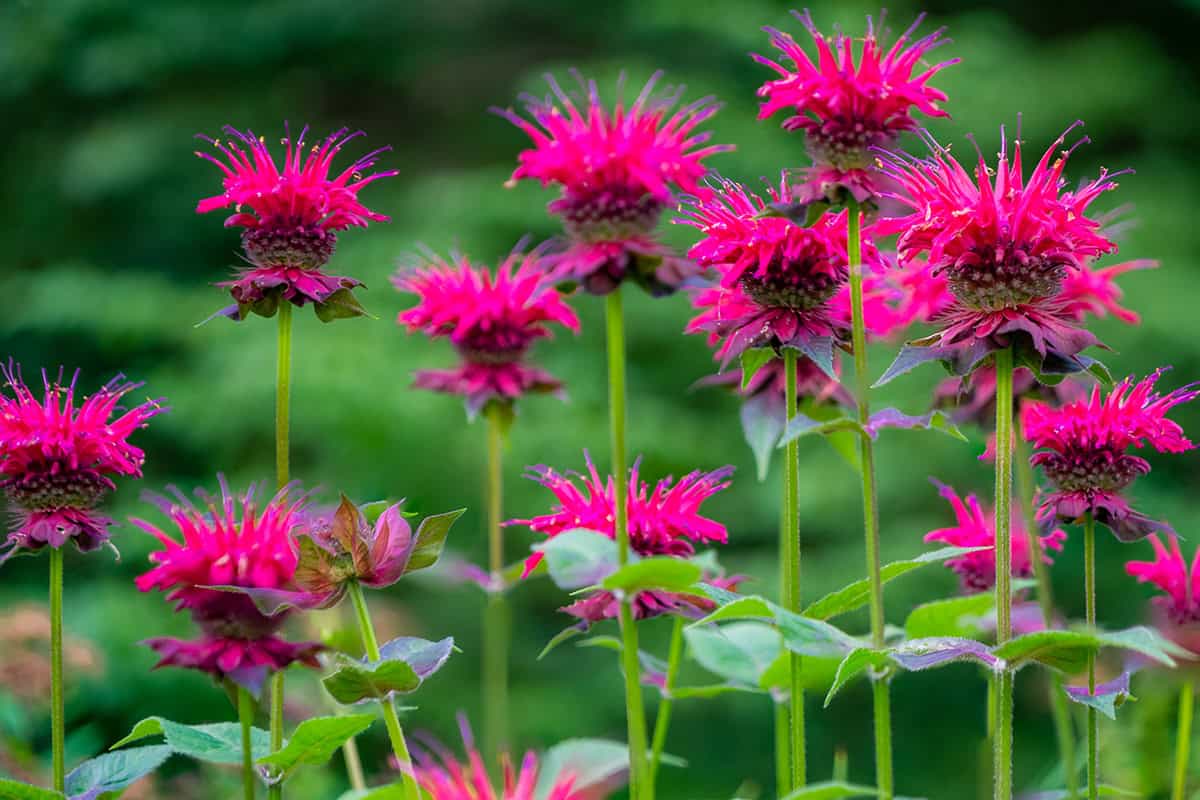
Monarda’s bold flowers and upright stems turn heads—pollinators flock to it, and chickens can’t resist a sniff or a nibble. The leaves have a punchy scent, but birds rarely do much more than investigate.
Full sun and good airflow are non-negotiable here. In muggy places, powdery mildew is a risk, so don’t crowd them. Clumps come back each year if winters aren’t brutal, and dividing every few years keeps them from taking over.
If you’re feeling generous, toss some cut stems into the run for the birds. They’ll pick at petals and leaves, but it’s more about enrichment than feeding.
Marigold
Compact marigolds, whether French or African types, fit right into chicken runs, especially smaller spaces. The flowers are bright, and chickens seem drawn to them—petals even add a bit of color to yolks, which some folks swear by.
Heat barely fazes marigolds, and as long as you water them during dry spells, they’ll keep blooming. The scent sometimes discourages bugs, though results are hit or miss depending on where you live. Even if they don’t repel pests, their toughness and steady flowers make them worth planting.
Fennel
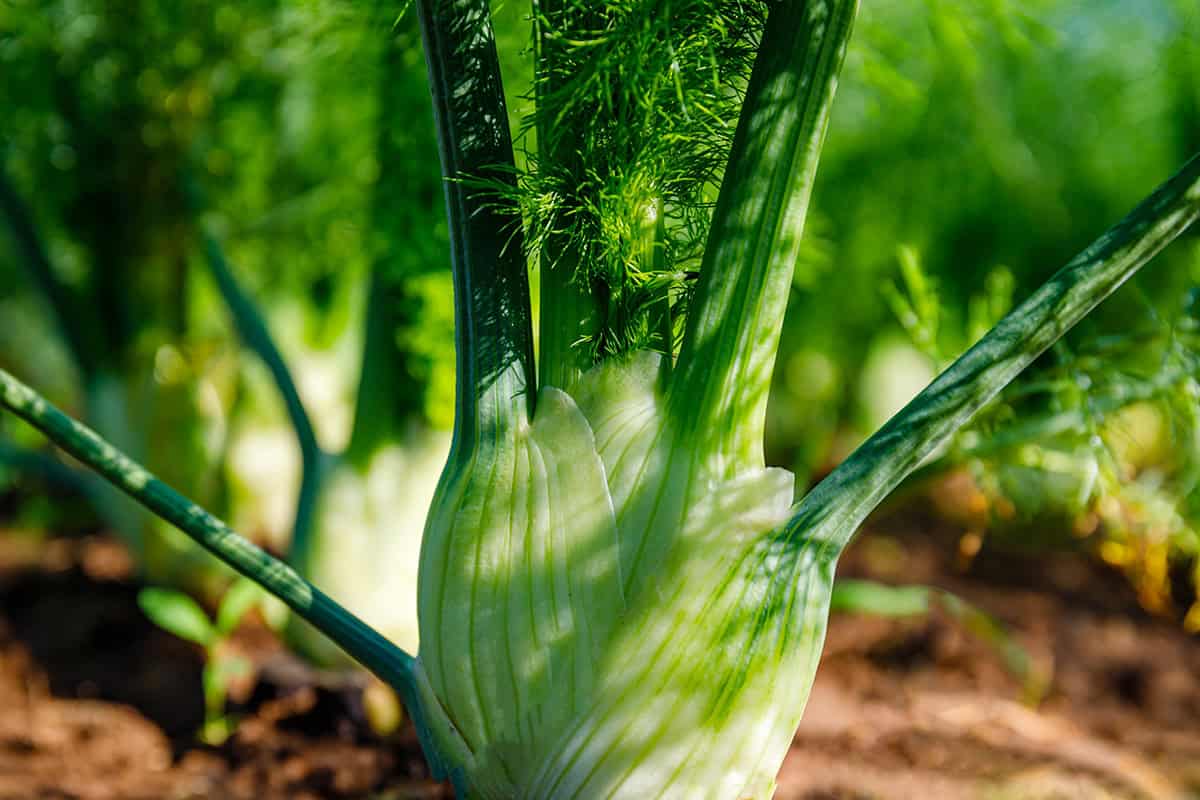
Fennel is excellent for improving the digestion of chickens. Its seeds and fronds can be given to the birds as a treat. This plant has a distinctive anise flavor that chickens seem to enjoy. Fennel prefers loamy soil and a sunny spot to grow optimally. Its tall stalks provide vertical interest and can act as a natural windbreak in your garden.
Strawberry Plants
Strawberries creep along the ground, sending out runners that knit together into a living mulch. The dense foliage keeps soil cool and helps tamp down dust, especially in dry spells.
Ripe berries vanish the moment chickens spot them, and leaves get sampled too—too much pecking can cut into yield, so new transplants need some protection until they’re established. Everbearing types stretch out the harvest, and mulch helps keep crowns from rotting.
Shade & Shelter Plants
Shade and shelter aren’t just nice extras for chickens—they’re vital. Dense patches of greenery or a few well-placed trees cool the ground and offer hiding spots from both the elements and potential threats. If you pick the right ones, you’ll get more than just cover: leaves, fruit, or seeds can feed your flock, too.
Mulberry Tree
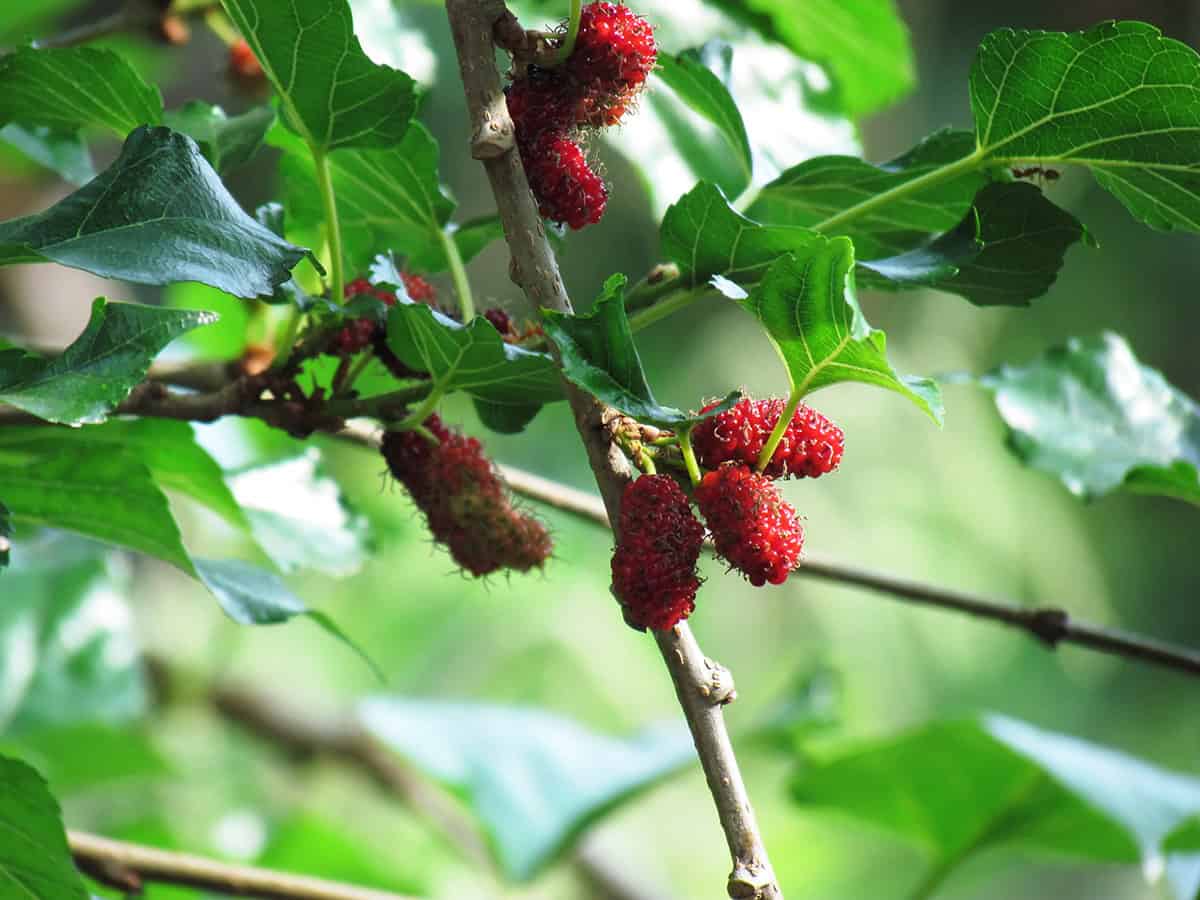
Mulberries are almost too good to be true in a chicken run. They shoot up fast, cast generous shade, and drop fruit that chickens devour before it can rot. That alone keeps bugs at bay and cuts down on cleanup.
Best spot? South or west side, to block the worst of the afternoon sun. Standard mulberries get tall—over 30 feet isn’t unusual—so annual pruning is a must if you want to keep fruit and shade low. The lower branches are perfect for dust baths underneath.
Fruit stains, so don’t plant near anything you care about keeping clean. Pick a variety that won’t go wild in your area. Once they’re settled in, mulberries shrug off drought and poor soil—handy for high-traffic spots.
Corn
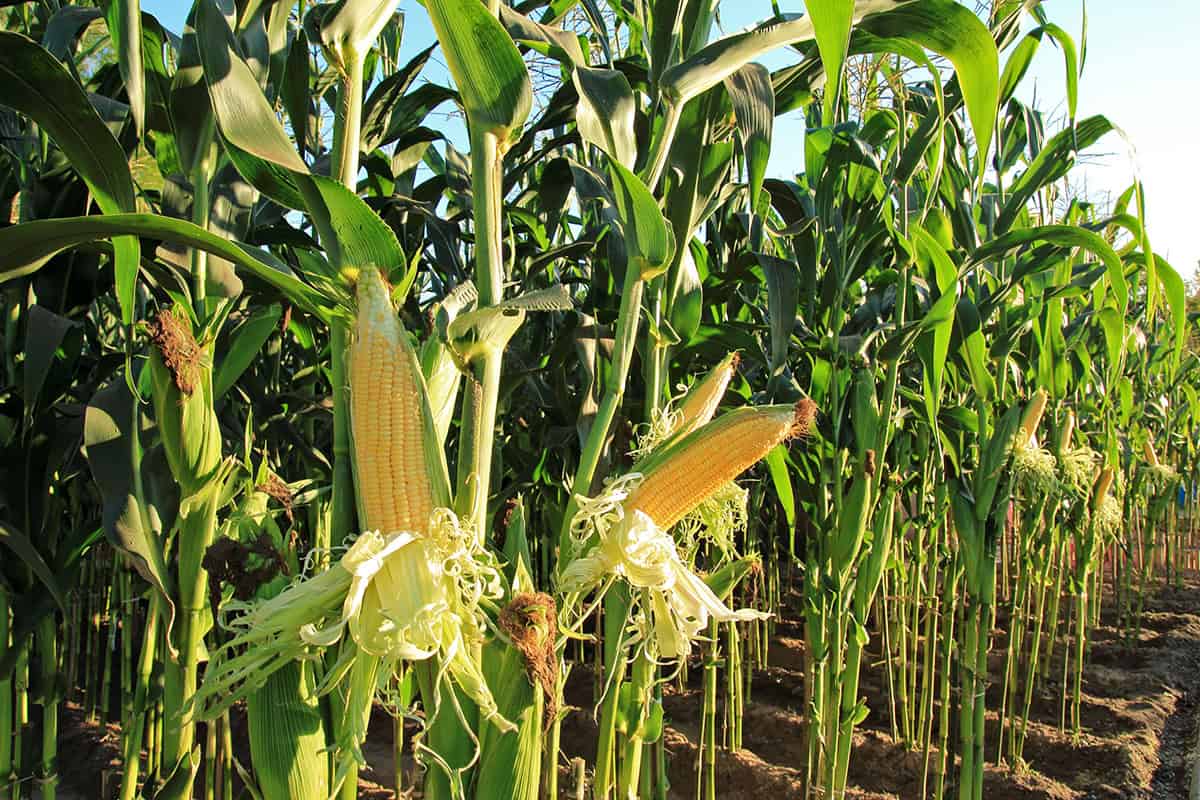
Rows of corn become living walls during the growing season, breaking up wind and giving chickens privacy. It’s a temporary effect, but in summer, nothing beats the vertical shade and sense of enclosure.
Wait for warm soil to plant, and fence young shoots or chickens will scratch them up before they get going. Once the stalks are robust, they can handle some abuse. Let ears dry on the plant for a self-serve snack, or chop the stalks at the end of the season and leave them for pecking. Switching up planting spots each year helps keep the soil healthy.
Bamboo (Non-Invasive Clumping Variety)
Clumping bamboo forms dense, upright thickets—instant windbreak, year-round shade, and a hiding spot for chickens when hawks pass overhead. Just don’t go with running bamboo unless you’re looking for a yard takeover.
Spacing along the run’s edge makes for a living privacy fence. The ground stays noticeably cooler under mature stands, and the fallen leaves create a light mulch, drawing in bugs for foraging. Even clumping types can wander, so root barriers aren’t a bad idea. Thin out old canes to keep air moving and sightlines open.
Elderberry
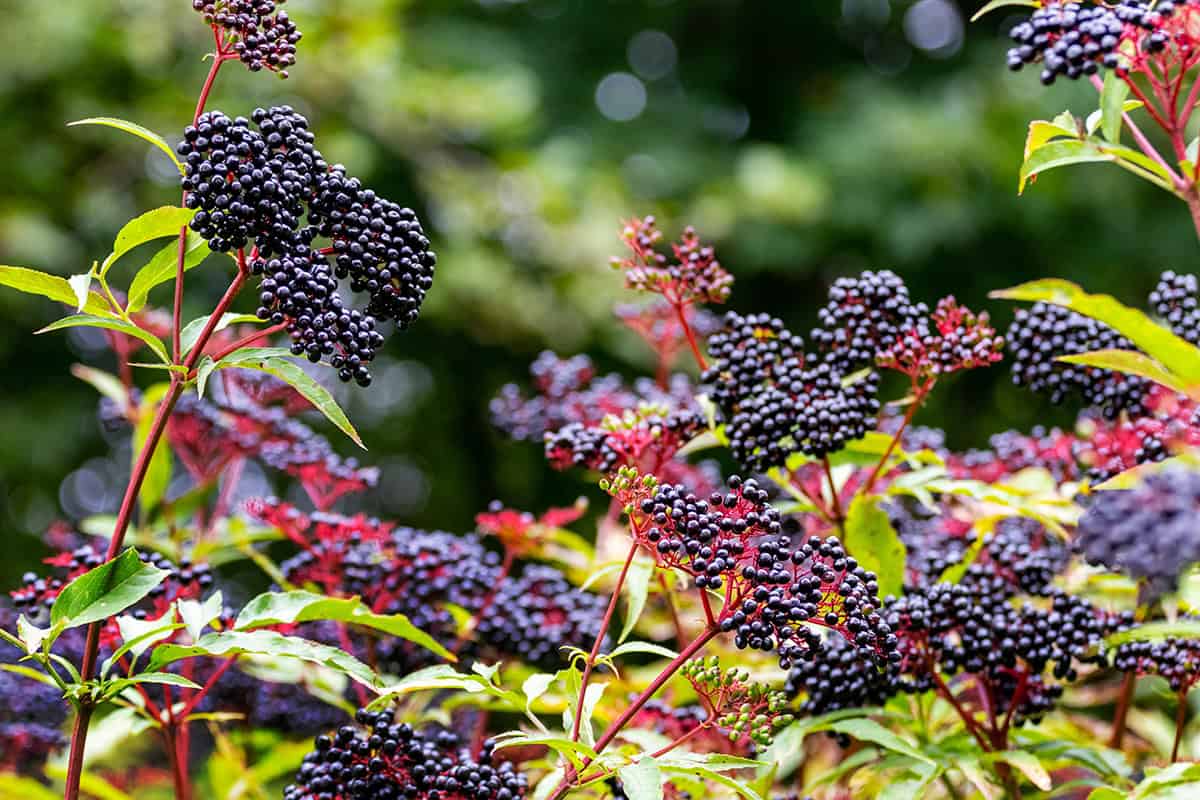
Elderberry shrubs fill in quickly, handling damp spots and partial shade without complaint. Their thick branches create mid-level cover, and when berry clusters ripen, chickens are right there waiting for the drop.
Give them a spot with decent drainage, but don’t stress if the soil holds a bit of moisture. Mature elderberries can sprawl—expect eight to twelve feet high and wide. Annual pruning helps control size and boosts berry production. Keep in mind, leaves and stems aren’t for chickens, but fallen ripe berries are fine. Protect new plantings until roots are settled, since birds sometimes scratch up young shrubs.
Blackberry Bush (Thornless Varieties)
Thornless blackberries make practical hedges, offering both fruit and a cool retreat. The canes can be trained along fences, which keeps the patch tidy and fruit within reach. Fallen berries are fair game for chickens, and the dense growth is a favorite escape from midday heat.
Pruning after harvest keeps things manageable and prevents a tangle. Go with thornless types—no sense risking injuries when there’s an easy alternative.
Grapevine
Grapevines drape overhead, turning wire frames or pergolas into leafy canopies that filter summer sun. The dappled light underneath is just right for chickens—cooler, but not gloomy.
Sturdy supports are a must; vines get heavy. Prune each year to keep growth in check and improve fruit set. Some grapes will fall, and chickens will find them. Most of the crop is still yours, but a few bunches left within reach become instant enrichment. Good airflow is crucial to avoid mildew, so don’t cram vines too close together.
Fig Tree
Figs shrug off heat and dry spells once they’re settled, and their broad leaves throw deep shade—ideal for sun-baked runs. With pruning, most varieties stay under fifteen feet.
Full sun means more fruit, but young trees need protection from scratching until they bulk up. Chickens hanging out at the base can disturb shallow roots, so keep an eye on them. Ripe figs drop and vanish fast, though if too many fall, insects can be an issue. Late winter pruning keeps the tree in check and fruit within reach.
Jerusalem Artichoke
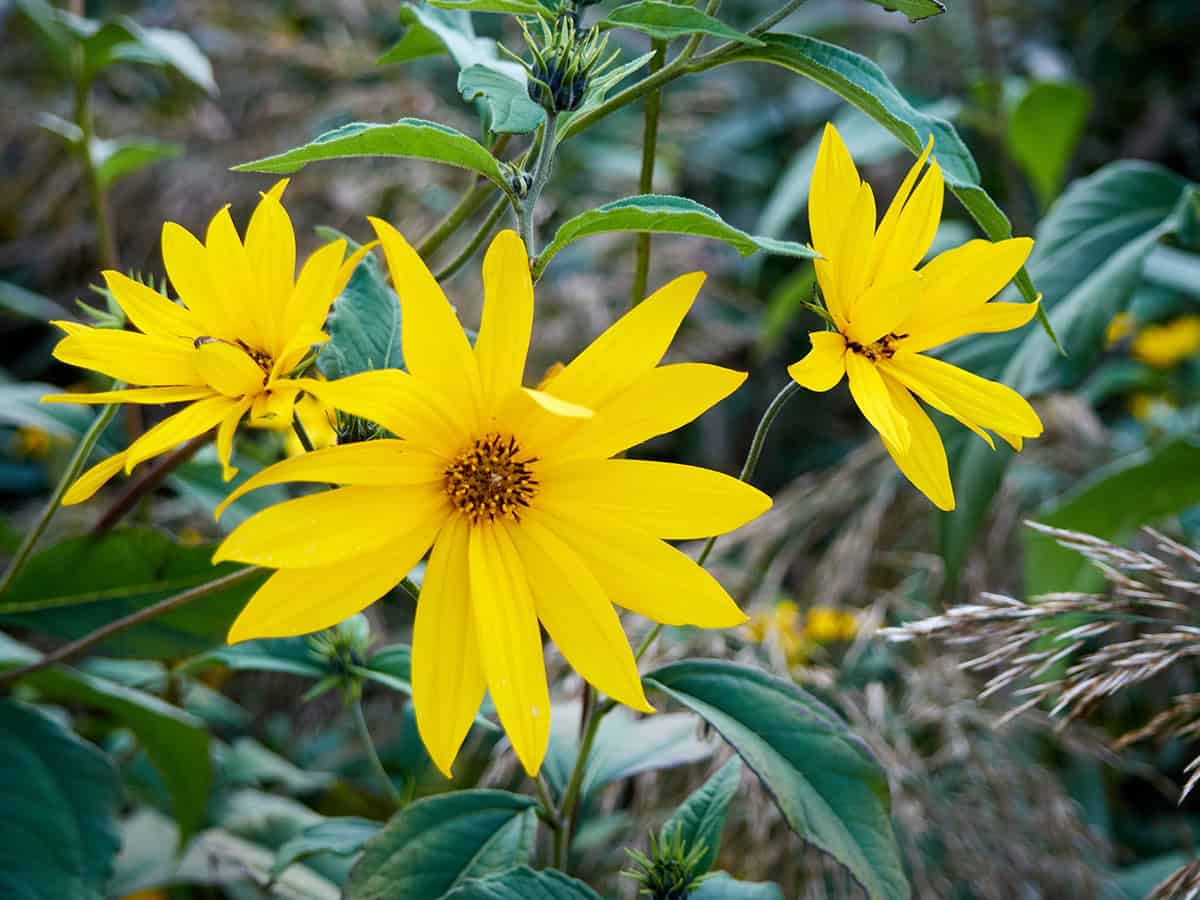
Towering stalks with a sunflower vibe, these plants throw a surprising amount of shade over the run in summer. Their thick stands help break the wind, too, which is always a plus. Down below, those knobby tubers quietly multiply, adding a quirky, edible bonus if you’re into digging for snacks.
Start with tubers planted early in spring—just be sure to fence them in, or you’ll have sunchokes popping up everywhere. By mid-season, they’re stretching up to 10 feet, crowding together and making a dense patchwork. Chickens seem to love the shelter, though honestly, they don’t do much to thin out the older, tougher clumps.