
plantglossary
Posts by plantglossary:
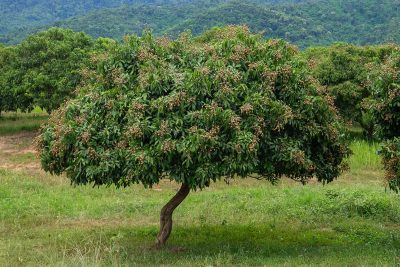
Few fruit trees combine beauty and productivity quite like a longan. Shiny green foliage keeps the tree attractive throughout the year, while hanging clusters of fruit become the highlight of the harvest season. This article shares the care habits that encourage healthy growth and reliable crops.
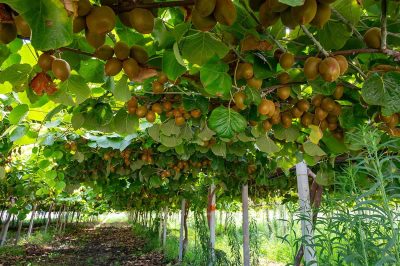
Growing kiwi at home is easier than many gardeners realize. Give the vine plenty of sunshine, sturdy support, and consistent care, and it will reward you with impressive harvests for years to come. Keep reading for practical tips on planting, watering, pruning, and maintenance.
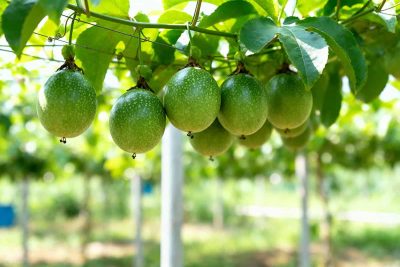
A healthy passion fruit vine quickly becomes one of the highlights of the garden. Long climbing stems, striking blooms, and colorful fruit create interest through much of the year. This guide explains the care routine that encourages steady growth and reliable harvests.
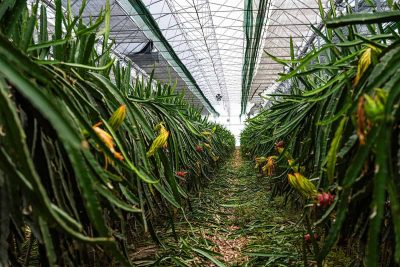
Dragon fruit may have an exotic appearance, but growing it is much less intimidating than it looks. A little attention throughout the growing season keeps the plant thriving and encourages plenty of blooms. Continue reading for straightforward advice that makes success easier.
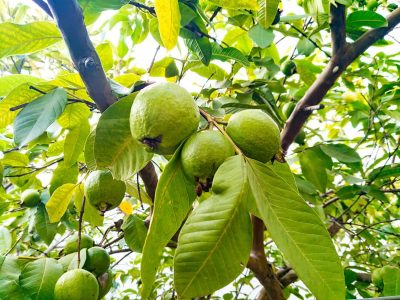
A guava tree brings tropical charm and delicious fruit to the backyard without demanding complicated care. Its glossy leaves, fragrant flowers, and sweet harvest make it a favorite among home gardeners. This guide covers everything you need to grow a healthy, productive tree.
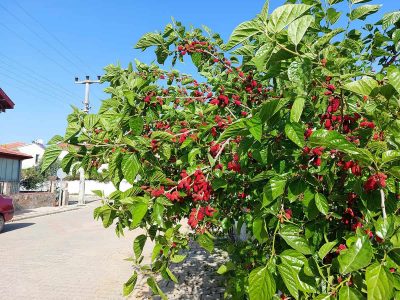
A mature mulberry tree quickly becomes one of the highlights of a backyard. Dense foliage creates cooling shade while colorful berries attract plenty of attention during harvest time. Learn the simple care habits that help your tree stay vigorous and productive year after year.
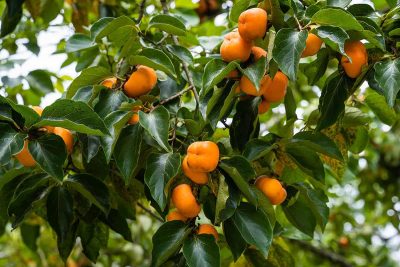
Healthy persimmon trees begin with good planting practices and consistent care during their early years. Sunlight, proper watering, and occasional pruning all play an important role in long-term success. This guide walks through each step in a clear and practical way.
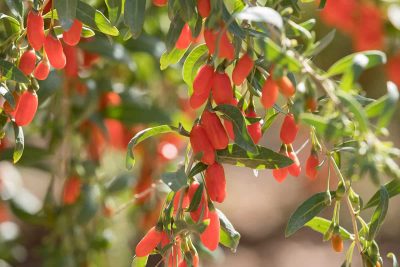
Homegrown goji berries offer a satisfying harvest along with an attractive landscape plant. A sunny location, well-draining soil, and occasional pruning help these shrubs stay vigorous and productive. Read on for simple advice that keeps your goji berry thriving.
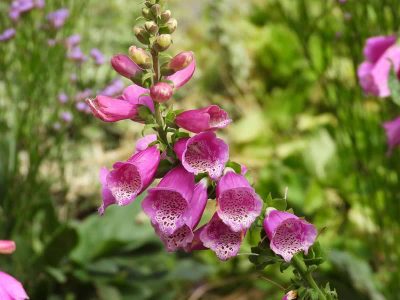
Growing foxgloves is easier than many gardeners expect. Give them the right location and a little routine care, and they’ll reward your efforts with towering stems covered in colorful blooms. Read on for helpful tips that make growing these classic flowers much simpler.
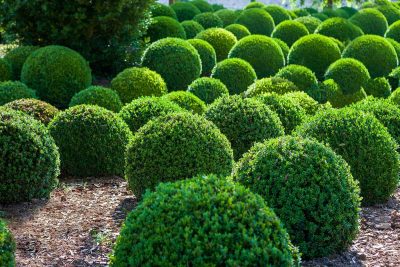
Many gardeners reach for boxwoods because they fit almost every garden style without demanding constant care. Their compact growth and rich green foliage create a polished look all year long. Learn how to plant, water, prune, and maintain healthy shrubs that last for decades.
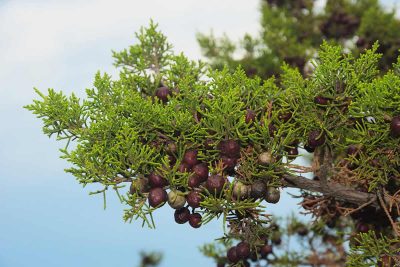
A healthy juniper adds color and structure long after many other plants have faded. It works just as well in a formal landscape as it does in a relaxed backyard setting. Keep reading for practical tips on planting, watering, pruning, and caring for these dependable evergreens.
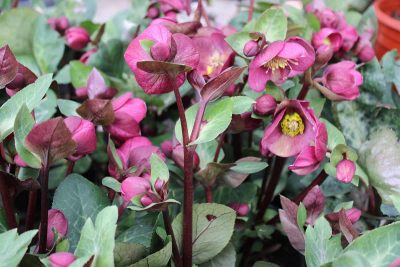
When nearly everything else in the garden is still asleep, hellebores show up with a quiet confidence. Their tough, evergreen leaves and early blooms bring a bit of life to shaded beds as winter drags on. To grow and care for hellebore, start with partial shade, a neutral, well-drained soil, and a steady hand with the watering can—keep it moist, not swampy.