
plantglossary
Posts by plantglossary:
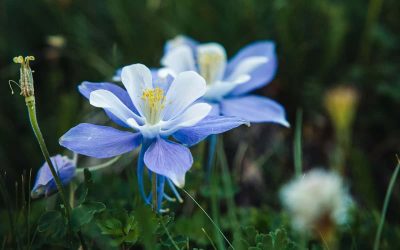
For healthy columbine, tuck it into partial shade with soil that drains well but doesn’t dry to dust, water if things get parched, and snip off old stems after blooming. Most types shrug off chilly weather and handle average garden dirt just fine. Sowing from seed is easy, and you’ll get flowers from late spring into early summer.
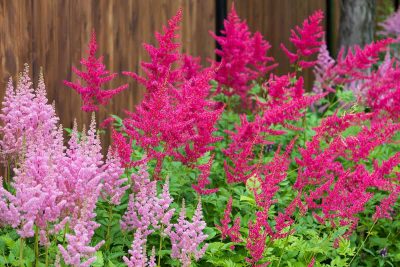
Astilbe brings a reliable pop of color to those shadier corners of the garden, sending up feathery plumes of pink, white, or purple that return each year if you treat them right. Partial shade, rich soil that stays damp, and a spring-and-fall feeding routine set you up for healthy, showy blooms.
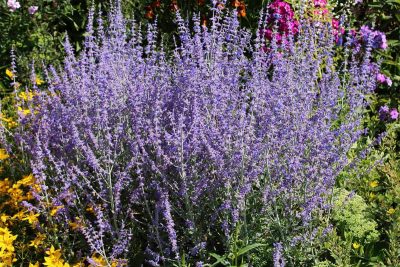
Russian sage brings a shot of color and structure to gardens that need a little something extra, and honestly, it barely asks for anything in return. Those purple-blue flower spikes and silvery leaves? They hold up even in scorching sun and dry soil. Stick it in a sunny spot with well-drained ground, don’t fuss with the watering can after the first season, and chop it back in early spring to keep it from getting leggy. Meet those basics, and you’ll have a perennial that just keeps coming back.
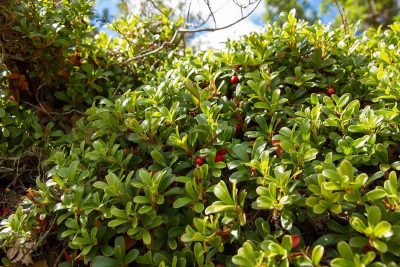
Full sun or partial shade, sharp drainage, acidic sandy soil, and little water after the first year—those are the basics. Bearberry shrugs off poor soils but balks at clay or soggy ground. Fertilizer? Rarely needed. A bit of pruning keeps things neat, but it’s mostly hands-off.
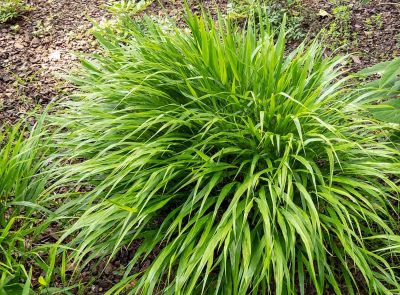
Partial to full shade is the sweet spot, with soil that’s always moist but never soggy and loaded with organic matter. Cut everything back in early spring to keep that lush, arching look. This ornamental grass is happiest in humus-rich, well-drained ground and likes things cool—definitely shelter it from punishing afternoon rays. It doesn’t mind humidity, and deer usually leave it alone.
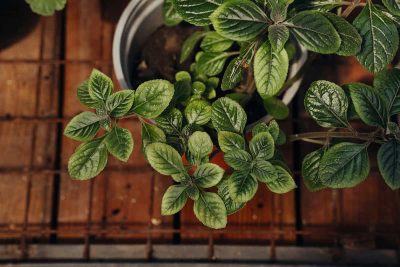
Swedish ivy brings a lively, trailing vibe to shelves, desktops, or hanging baskets. Those glossy, scalloped leaves and soft, sometimes barely-there white or pale purple flowers catch the eye, but honestly, it’s the plant’s adaptability that wins people over. For happy Swedish ivy, stick with bright indirect light, water when the topsoil dries out, use a well-draining mix, and keep things comfortably warm indoors.
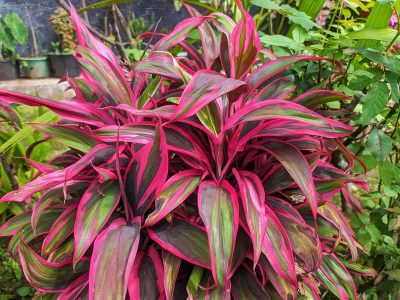
For Cordyline fruticosa to really shine, it needs bright, indirect light, fertile and well-draining soil, steady moisture, warmth, and a good dose of humidity. Try to keep the soil moist but not soggy, especially when it’s actively growing. Anything below 60°F is risky territory—cold drafts will set it back fast.
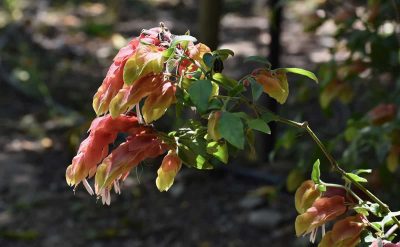
For healthy shrimp plants, aim for bright light, rich soil that drains well, steady moisture, warmth, and a bit of pruning to keep things bushy. Meet those needs and you’ll get a dense, flower-packed shrub, even while it’s still young. It’s a good pick for containers, too—easy to move and manage.
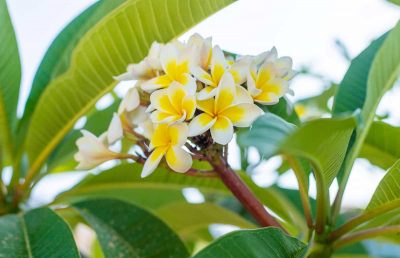
You only need full sun, well-drained soil, and regular watering during warm months to help your plumeria thrive. Plumerias grow best with plenty of sunlight and enough water to support growth in summer.
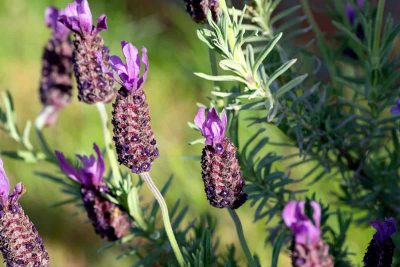
Spanish lavender grows best with full sun, well-drained soil, and regular pruning. You can grow stronger and longer-blooming plants by following a few simple steps. With the right care, your Spanish lavender can thrive and bloom from spring to fall.
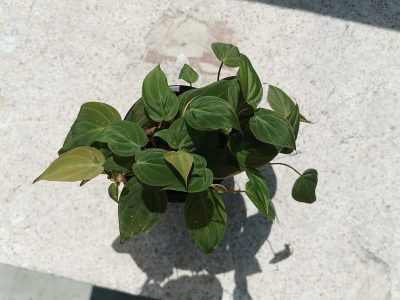
Philodendron micans grows best in bright, indirect light, with lightly moist soil and regular care. With the right conditions, its trailing vines and unique texture can become the highlight of your collection.
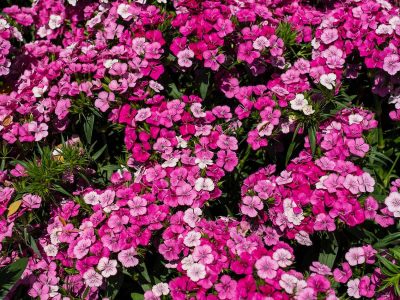
You can grow healthy, long-lasting Sweet Williams by providing well-drained soil, watering regularly but not excessively, and placing them in a spot with sun or partial shade. These resilient flowers need only basic care, making them a great choice for beginners and seasoned gardeners alike.